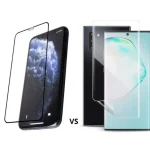


Many people have been using screen protectors for years, but they are still stuck in the same misconception: that the harder the screen protector, the better, and the cheaper the screen protector, the more cost-effective it is.
The result was a series of pitfalls: tempered glass screen protectors on curved screens had white edges and curled up; regular soft screen protectors turned yellow and had a distorted appearance after half a month; screen scratches increased with use; and replacing screen protectors became increasingly troublesome.
Currently, the mainstream mobile phone screen protectors on the market are basically divided into three categories: traditional tempered glass screen protectors, ordinary TPU hydrogel screen protectors, and EPU self-healing flexible screen protectors.
There is no absolutely best screen protector, only the one most compatible with your device model and best suited to your usage habits. Today, I’ll explain the core differences, advantages, disadvantages, and suitable scenarios of these three types of screen protectors to help you choose the right one in one go!
The fundamental difference between the three types of membranes lies in their materials, which determine the user experience.
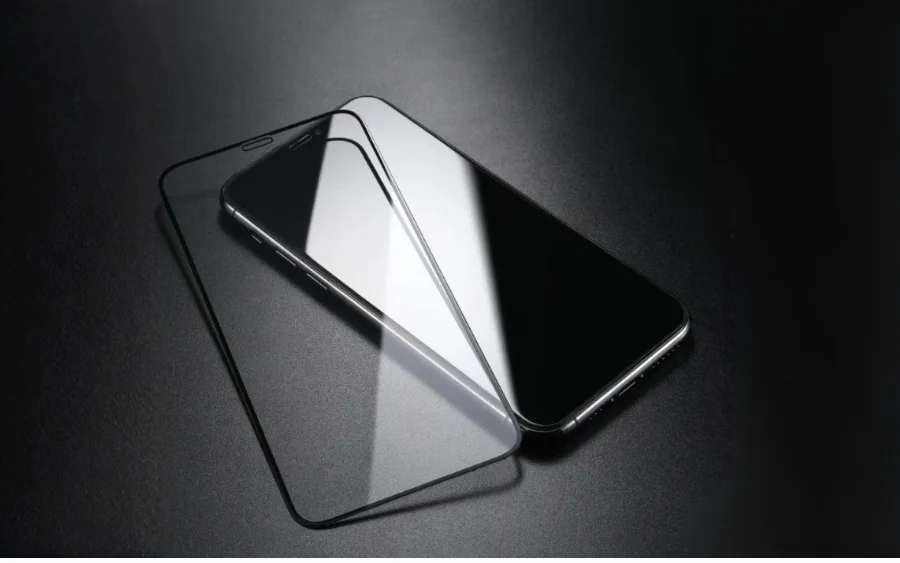
1. Tempered Glass Screen Protector: Made of hard glass, it emphasizes “hard resistance to drops.” The material is tempered glass, a mainstream choice for early flat-screen phones. Its core features are high hardness and strong scratch resistance, able to withstand everyday friction from keys and minor bumps. It offers a crisp and clean feel, and the oleophobic coating initially provides a smooth and refreshing experience.
Key advantages: Hardness up to 9H, strong resistance to external impact, full protection for flat screen models, easy for beginners to identify and simple to adapt.
The material is hard but lacks flexibility, which has limitations. It is not suitable for curved or foldable screens, and after application, it is likely to result in white edges, lifting edges, top shell damage, and dust accumulation. The thickness is relatively high, which severely disrupts the feel of the bare device. Scratches cannot heal themselves, and the oleophobic coating will be completely worn out and require replacement.
(Image source: online data)
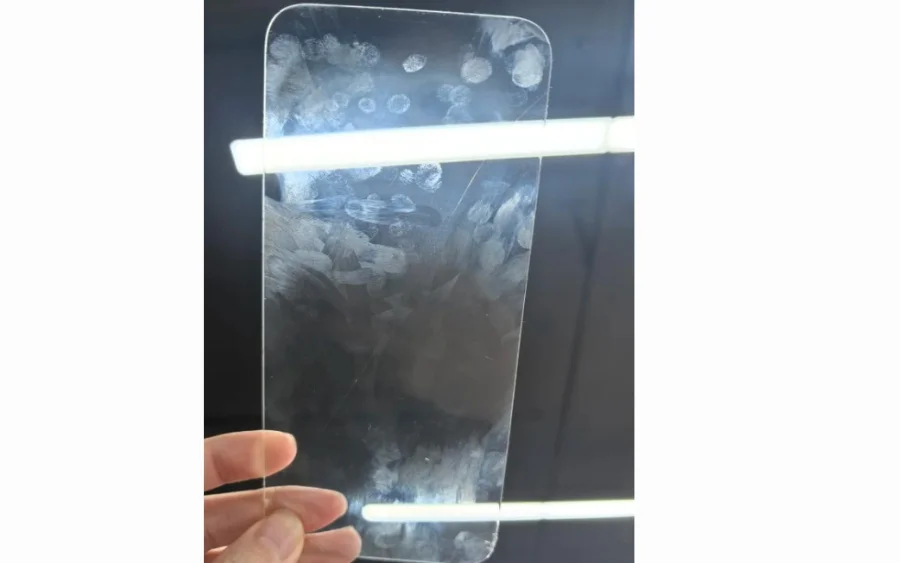
2. TPU Hydrogel Film: Entry-level Flexible Film. Most inexpensive soft films sold for tens of yuan per sheet are made of TPU. These are early flexible film products, with their biggest advantage being their flexibility and bendability, allowing them to conform to curved surfaces and folded screen curvatures.
Key advantages: wide compatibility, extremely low price, no white edges, and reasonable cost-effectiveness for temporary use.
However, it lacks self-healing ability, yellows easily, attracts fingerprints and oil stains, and is made of soft material with poor protection; even minor scratches become permanent marks, and it will become foggy and old after 1-2 months of use. It is a purely consumable product and needs to be replaced frequently.
(Image source: online data)
3. EPU Self-Healing Film: A new generation of upgraded flexible film, focusing on “long-lasting and worry-free” service. Many people mistakenly believe that self-healing films are just ordinary hydrogel films, but that’s not the case at all! EPU self-healing film is a complete upgrade of TPU hydrogel film, made of high-polymer elastic polyurethane material, and is also the mainstream first choice for high-end flagship phones, foldable screens, and curved screens in 2026.
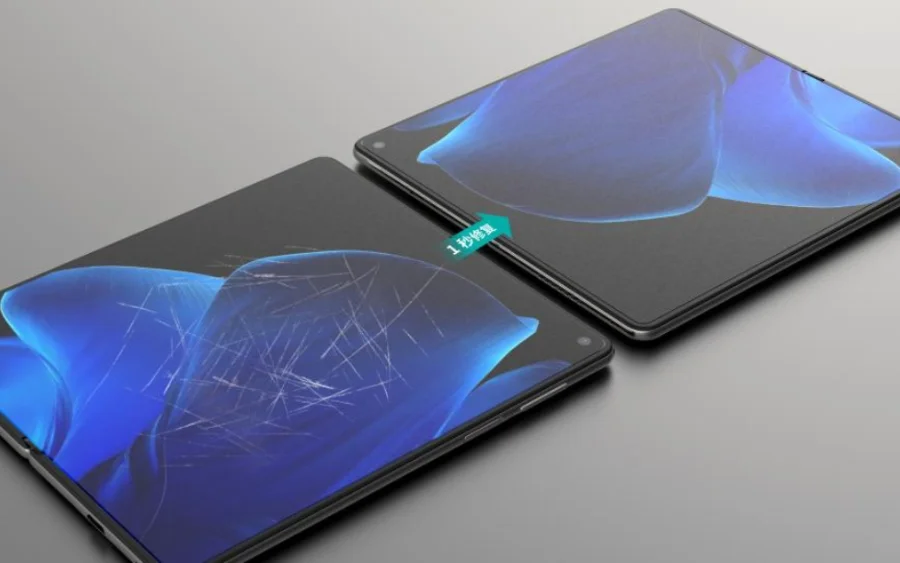
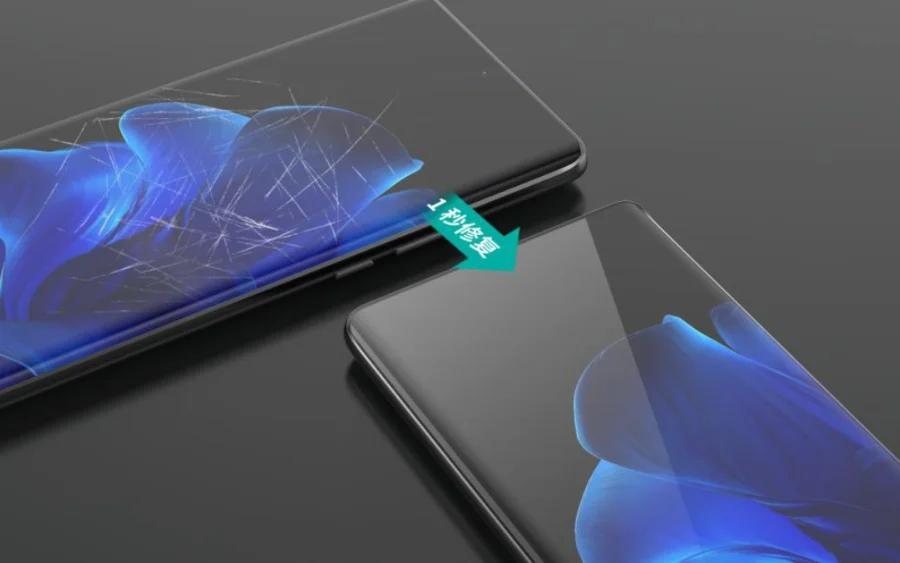
Key advantages: Automatically heals minor scratches, does not yellow or fog, long-lasting fingerprint resistance, flexible cushioning for better screen protection, compatible with all models; lifespan is more than 3 times that of ordinary screen protectors. If you prefer a bare-screen feel, don’t want to frequently replace screen protectors, value a clear screen texture, and dislike oily fingerprints, then the EPU repair screen protector is the perfect choice.
It perfectly combines the smooth feel of tempered glass and the adhesion advantages of TPU film, while also incorporating nano self-healing technology, making up for all the shortcomings of the two traditional types of film. It is currently the most balanced film product in terms of overall experience.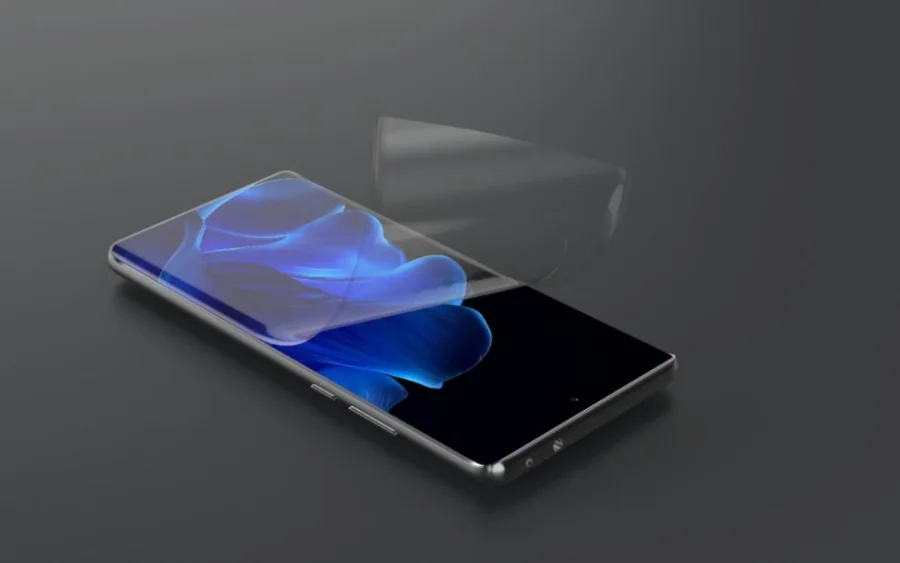
Purchase advice: How should different groups of people choose?
1. Business Professionals / Detail-Oriented Individuals → Self-Healing Screen Protector (EPU) For business professionals, the screen is like a second face. Fingerprints, scratches, and glare in sunlight are all drawbacks. Therefore, we recommend: DEVIAUltra EPU Self-Healing Screen Protector. Its hydrophobic and oleophobic properties, automatic scratch fading, and smooth feel perfectly meet these needs.
2. For students / prioritizing cost-effectiveness → Tempered glass screen protector (flat screen) or self-healing screen protector (curved screen). If you have a flat screen phone and a limited budget, a tempered glass screen protector is sufficient. However, if you have a curved screen phone, don’t buy a TPU screen protector.
It only lasts a month before becoming unusable, making it more expensive in the long run. It’s better to just use an EPU screen protector, which lasts for six months, resulting in a lower overall cost.
3. Gamers / Prioritizing Feel → Self-Healing Screen Protector (EPU) Gamers have extremely high demands for feel. Tempered glass screen protectors are thick and have rough edges; TPU screen protectors are sticky and don’t glide smoothly. EPU screen protectors are ultra-thin at 0.18mm, with a hardened electroplated surface, providing a smooth feel comparable to tempered glass, and won’t have cracked edges affecting operation.
4. Foldable screen users → Prioritize EPU (Extended Power Radiation Protection) screen protectors. Foldable screens fold hundreds of times a day; tempered glass screen protectors crack with each fold, making them immediately unsuitable. TPU screen protectors can be applied, but the experience is poor. This is suitable for users of flagship phones costing over 10,000 yuan, such as the Huawei Mate X7, Pura X Max, and iPhone 17 Pro series, curved screens, and foldable screens; users who value the feel of a bare phone and don’t want to frequently change screen protectors; users who care about screen clarity and reject oily fingerprints; and business users who want a single screen protector that lasts for months.
EPU films are currently the best choice for foldable screen users.
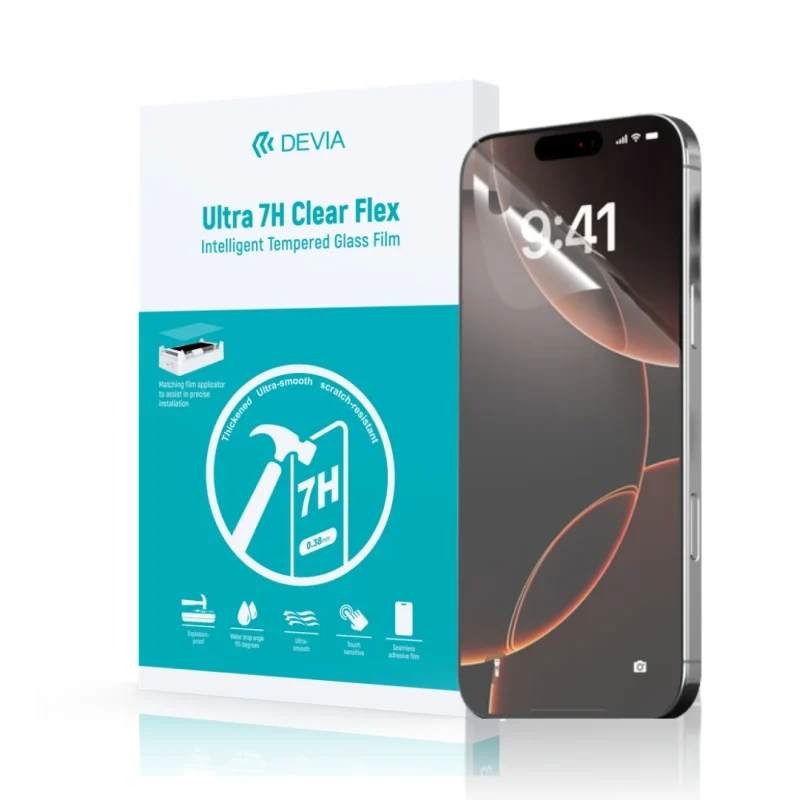
DEVIA Ultra Versatile Membrane Formula:The flagship choice for self-healing films
DEVIA, a brand operation service provider in the communication accessories industry covering more than 150 countries and regions worldwide, owns 8 factories, controlling the entire supply chain from raw materials to finished products. DEVIA has launched the Ultra Versatile Repair Film, fully implementing the five core advantages of EPU.
This self-healing screen protector truly maximizes the advantages of EPU material, with five core selling points that precisely address all the pain points of screen protector application:
1. Nanotechnology for self-healing: everyday friction from keys and minor scratches will automatically heal when left to stand, keeping it looking new for a long time and eliminating the need for frequent film replacements.
2. Flexible glass-like feel: Abandoning the plastic feel of ordinary soft films, the electroplating process enhances its silky smoothness, comparable to bare glass, and provides excellent touch control.
The game is smooth and lag-free.
3. Flexible yet highly protective: High-density EPU substrate, flexible cushioning and shock absorption, making it more suitable for foldable and curved screens compared to tempered glass screen protectors.
Scratch-resistant and explosion-proof, gently protects the screen without damaging the device.
4. Long-lasting hydrophobic and oleophobic effect: Upgraded electroplated oleophobic layer provides long-lasting resistance to fingerprints and oil stains, keeping the screen clear and transparent, preventing yellowing and fogging.
Maintain the feel of a new device over a long period of time.
5. Flawless application: Highly flexible and forgiving, it can be reapplied without bubbles or curling edges, making it easy for beginners to achieve a perfect finish.
Effect.
Industry trends clearly show that traditional tempered glass screen protectors have limited compatibility, and low-end TPU screen protectors offer a poor user experience, failing to keep pace with flagship phone iterations. Today’s high-end users and the main consumers upgrading their phones are no longer fixated on “the harder the better,” but rather seek quality, convenience, long-lasting performance, and compatibility.
For brick-and-mortar stores, low-priced tempered glass screen protectors and generic soft screen protectors suffer from severe curling, numerous after-sales issues, and transparent profit margins. In contrast, DEVIA’s high-quality EPU self-healing screen protector is compatible with all phone models, offers a significantly differentiated user experience, boasts high customer repurchase rates, and requires minimal after-sales service. It not only meets the needs of high-end customers, giving stores a competitive edge, but also steadily increases the average order value.
The key to screen protectors is never about being the hardest or most expensive, but about finding one that fits your device and your usage habits. Choosing the right DEVIA long-lasting self-healing screen protector can keep your flagship phone looking brand new for a long time.
What kind of membrane have you been using before?
What is its most unbearable flaw?
Let’s chat in the comments section!
Related posts
Privacy Screen Filter for Monitor
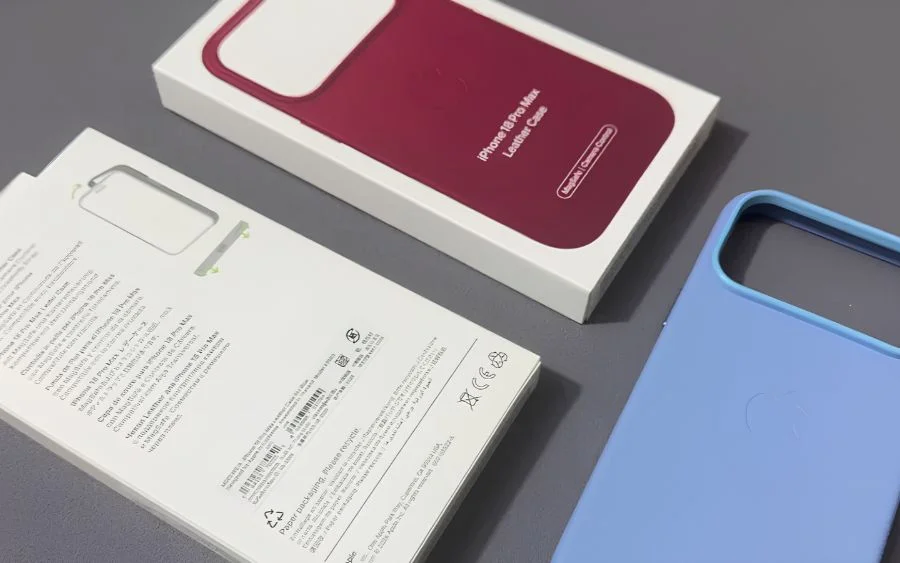
Good Phone Case Brands
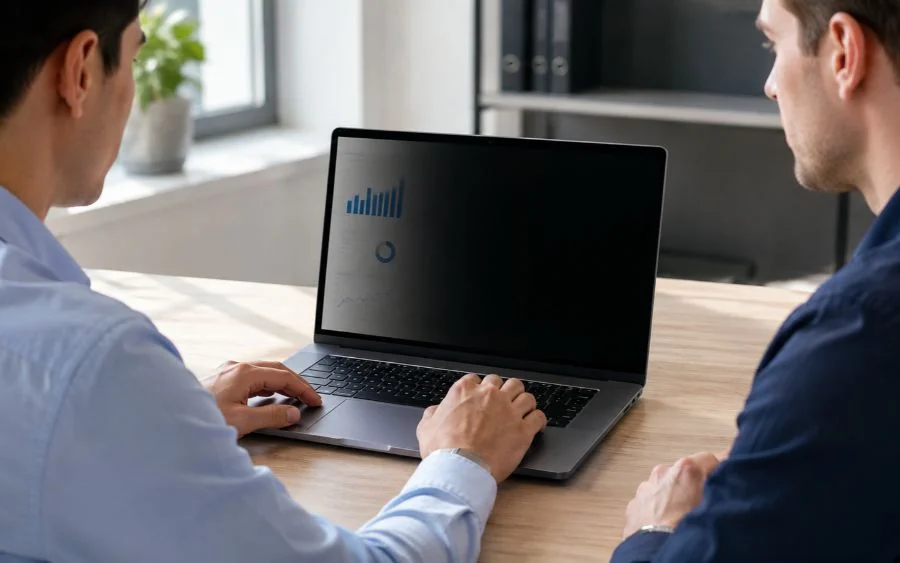
Computer Monitor Privacy Filter
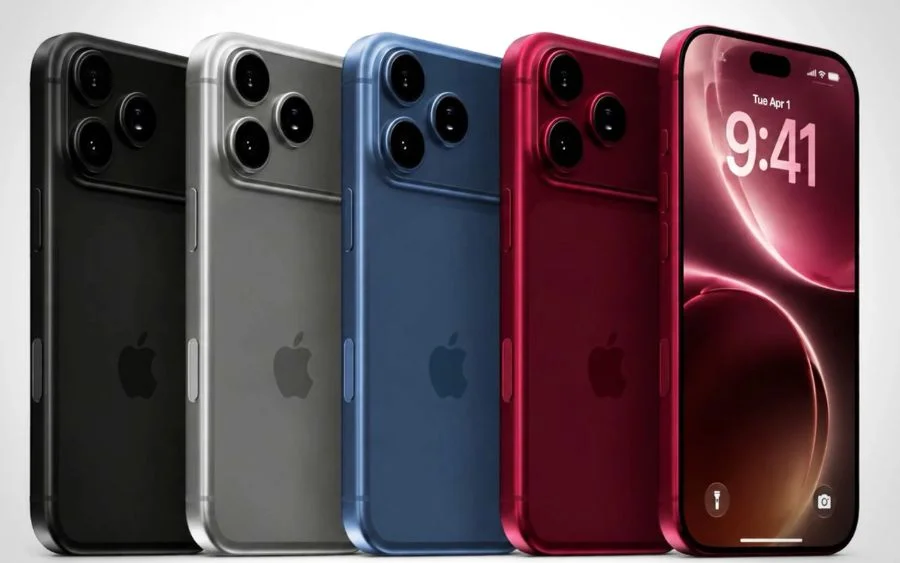
Best phone case brands for the new iPhone 18
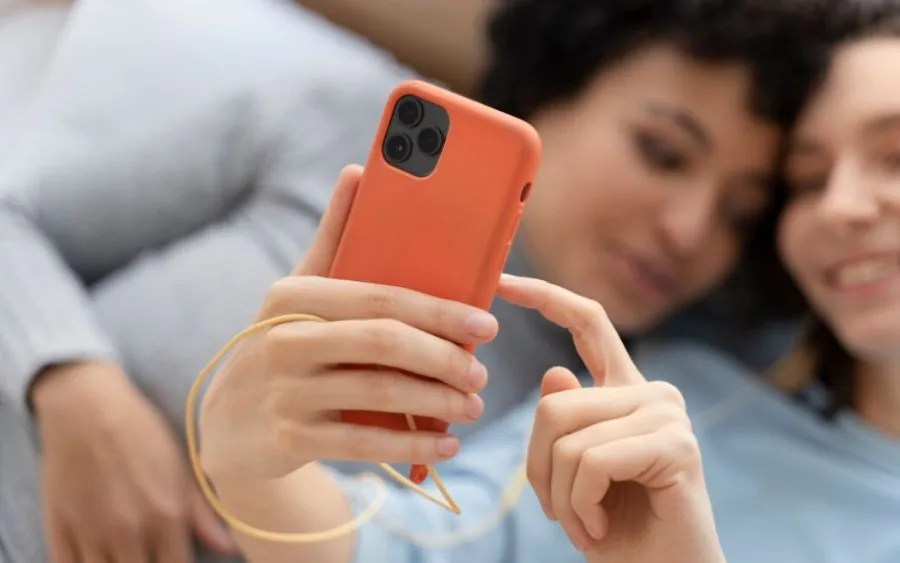
Why choosing the right phone case for this phone matters
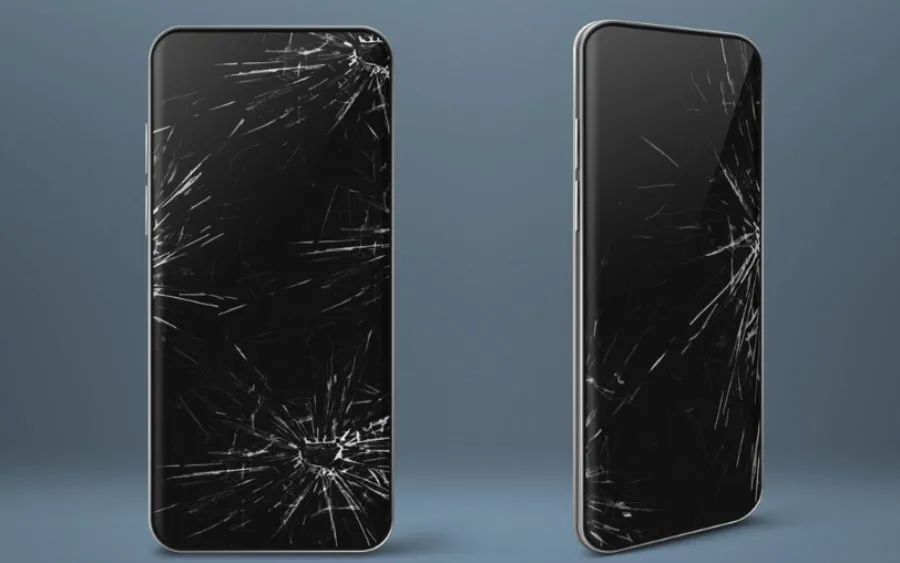
Screen cracked with screen protector
Upholding a commitment to quality and fulfilling its mission, Comma cultivates the real economy with craftsmanship.
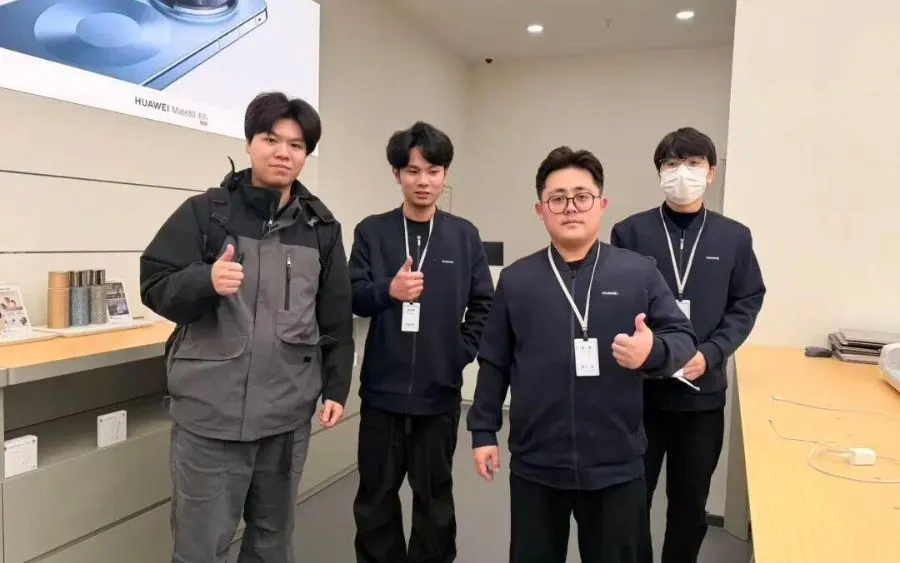
Setting Sail Anew in 2026 | DEVIA Enters into a Deep Strategic Partnership with Huawei to Jointly Build a High-Quality
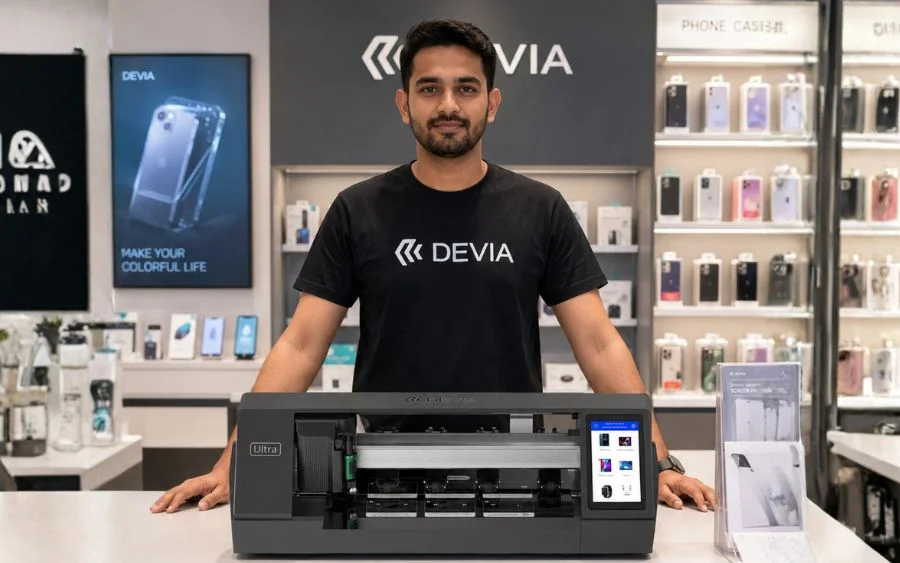
Top 5 Reasons Why Distributors Are Switching to Automated Film Cutting
Devia Plotter Ultra Review: Features, Speed, and Business Value
9H Hydrogel Film — Ultra-Resistance Screen Protector
Mobile Accessories Wholesaler — Global B2B