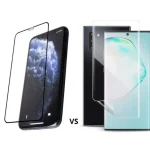


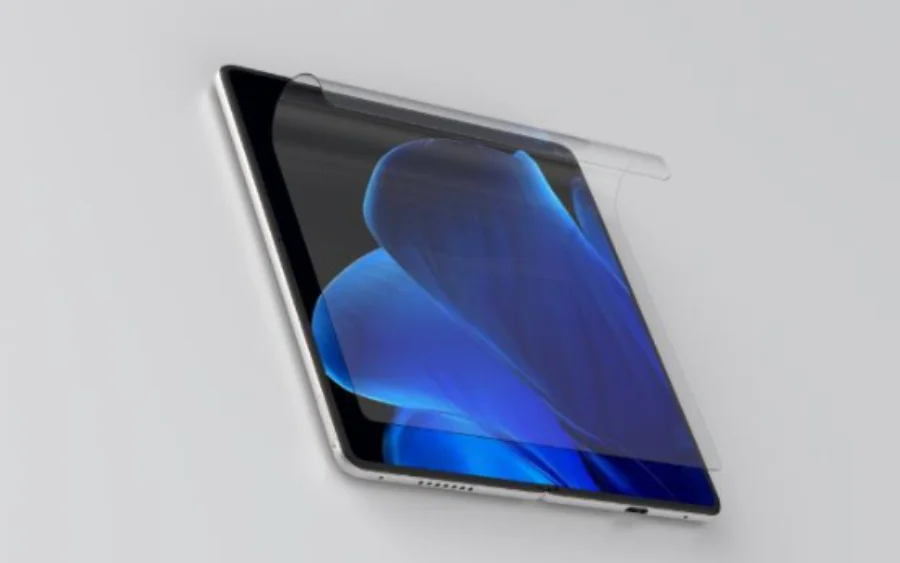
After using screen protectors for so many years, have you really chosen the right material?
Previously, everyone only recognized tempered glass screen protectors, which were hard, brittle, and prone to whitening at the edges. Later, hydrogel screen protectors were popular for a while, being soft and thin, but prone to yellowing and stickiness. By 2026, EPU material had quietly become the mainstream for high-end screen protectors—especially with the release of foldable flagship phones and curved screens like the Huawei Mate X7 and Pura X Max, EPU flexible screen protectors had almost become standard.
What exactly is an EPU? What are its advantages? Why are high-end users choosing it? Let me recommend a product that truly maximizes the performance of an EPU – the DEVIA Multifunctional Repairing Film.
What is it made of?
EPU stands for Elastomeric Polyurethane, also known as reinforced polyurethane, and is a new generation of flexible polymer materials. Many people confuse it with ordinary hydrogel films (mostly TPU), but they are completely different.
TPU: A commonly used material for traditional soft membranes, it is relatively hard, has moderate toughness, is prone to yellowing, and scratches cannot be repaired.
EPU: An upgraded version of TPU, featuring high elasticity, toughness, and self-healing properties, making it softer, more elastic, more wear-resistant, and more durable.
In short: EPU is the “top-of-the-line” version of hydrogel membranes, the “performance ceiling” among flexible membranes.
It’s neither hard glass nor ordinary soft plastic, but rather as strong as rubber, as conforming as skin, and capable of self-healing.
A high-tech material that scratches.
Three generations of the pouch membrane family: PET → TPU → EPU
To understand EPU, we must first understand the “evolution” of soft film materials. Screen protector materials have roughly gone through three generations of evolution: First generation: PET film (rigid plastic film). PET is short for polyethylene terephthalate, which was the early “hard plastic film.” Its characteristics were hardness, brittleness, and poor bending resistance; it would lift at the edges when applied to curved screens, and was basically only suitable for tablet screens. It is now rarely seen on the market.
Second generation: TPU membrane (the basis of ordinary hydrogel membrane)
TPU is an abbreviation for Thermoplastic Polyurethane. It is an elastomer material that combines the properties of…
The elasticity of rubber and the strength of plastic. 99% of the “hydrogel films” that cost around 100 yuan are made with TPU as the base material. The advantages of TPU films are obvious:
1. Good flexibility: It can perfectly fit the curved screen without white edges or lifting.
2. Ultra-thin: The thickness is about 0.1-0.2mm, which is close to the feel of a bare phone.
3. Slight self-healing: Minor scratches will gradually fade within 24 hours.
However, the shortcomings of TPU film are also quite disheartening:
The surface feels rough: when you slide your fingers across it, it feels like rubbing against frosted glass, and it’s not slippery when playing games.
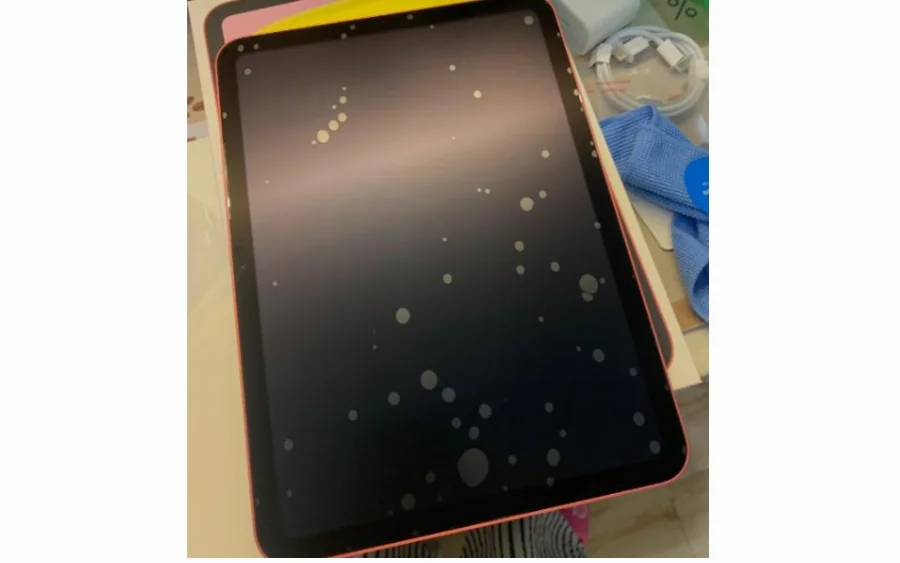
The oleophobic coating is not durable: it starts to attract fingerprints after only one or two weeks, becoming a “fingerprint collector”.
Scratches tend to accumulate: slight self-repair is just a slow creep, and after prolonged use, the screen will be covered with fine lines.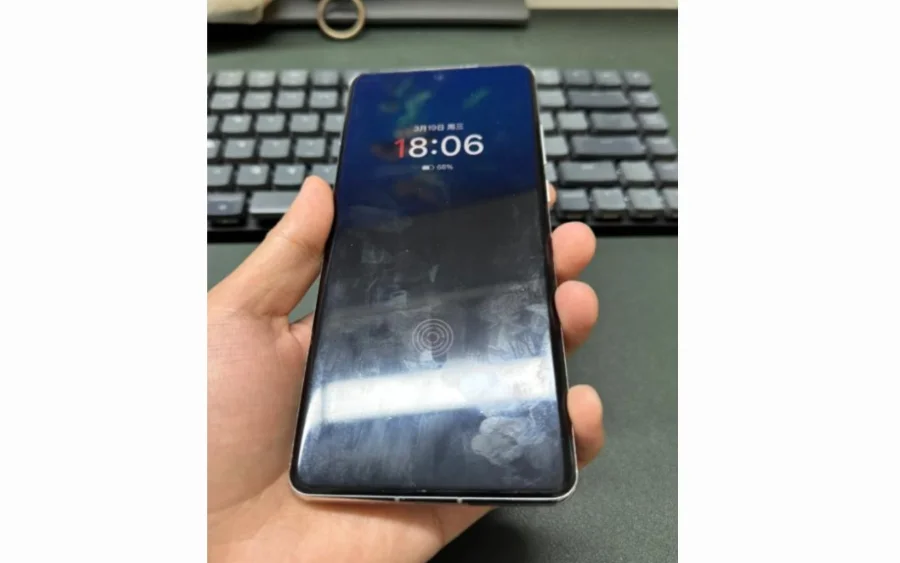
Third generation: EPU membrane (reinforced polyurethane)
EPU is a reinforced polyurethane (PU) material that represents a complete upgrade in surface processing. Compared to…
It is an abbreviation for TPU. It is based on TPU technology and focuses on the molecular structure…
The self-repair speed has been greatly improved: from “waiting 24 hours” to “repairing in seconds”.
Stronger resistance to curling: smoother edges, and no curling over a long period of time.
Better coating compatibility: allows for the layering of more durable oleophobic and hardened coatings.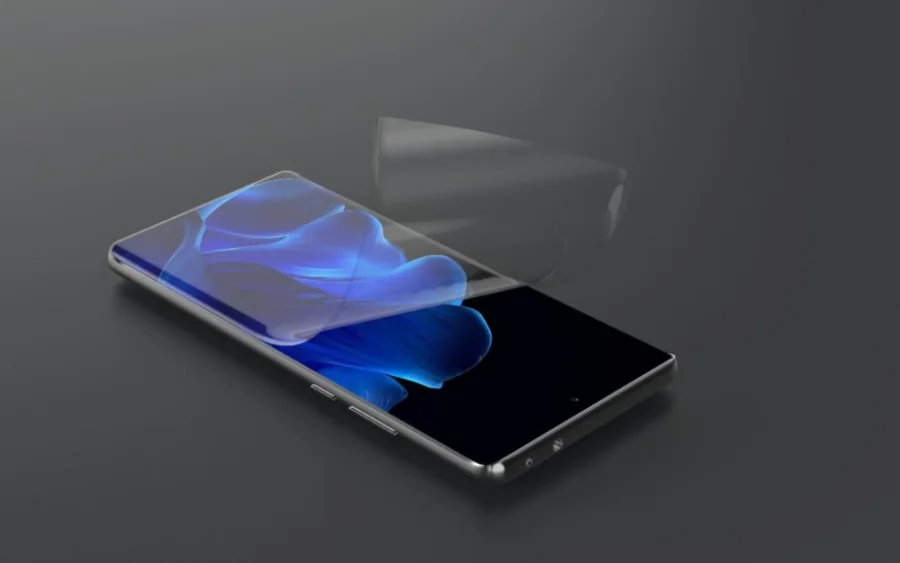
DEVIA Ultra Versatile Membrane Formula:Five core advantages of membranes
1. Flexible glass film feel
The perfect fit of the soft film combined with the smooth feel of a glass screen protector. This is the most surprising aspect of the Ultra EPU. Ordinary soft films feel “gritty,” but the Ultra’s surface has an electroplated hardened coating, making it as smooth as tempered glass when gliding over your fingers. It’s only a few inches thick.
At 0.18mm, it lacks the harsh feeling of being “separated by a layer of glass” that tempered glass screen protectors often have.
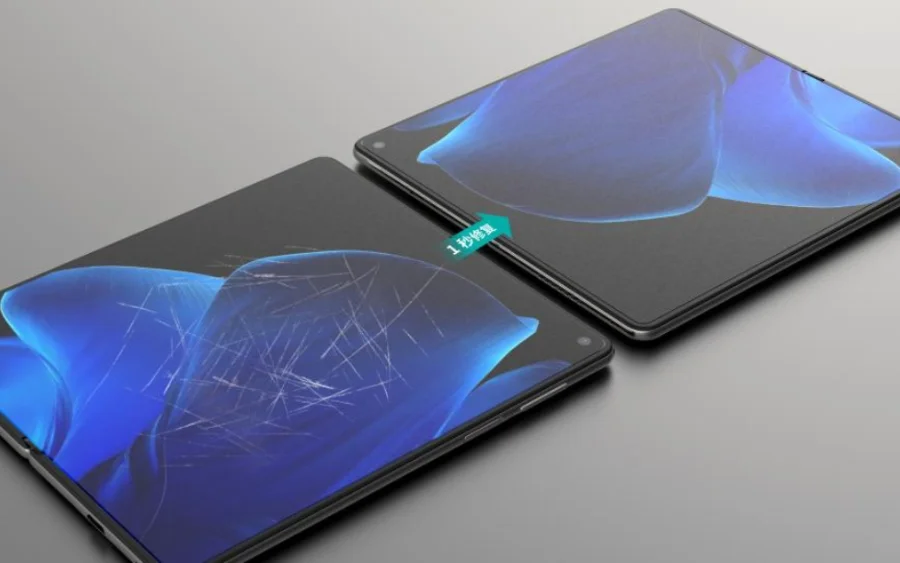
This is its core selling point: minor everyday scratches (like those from keys or table friction) can be left alone without needing to be addressed.
It heals on its own in about 25-40 seconds at room temperature, leaving the skin smooth to the touch. Frequent re-application is unnecessary, and long-term use yields even better results.
It saves money, which is why it’s more worry-free than ordinary hydrogel films and tempered glass screen protectors—scratches on ordinary hydrogel films are difficult to repair, while tempered glass screen protectors…
Chemical films crack easily when scratched, but EPU films can “self-heal minor scratches,” making them extremely practical.
3. Strong protection
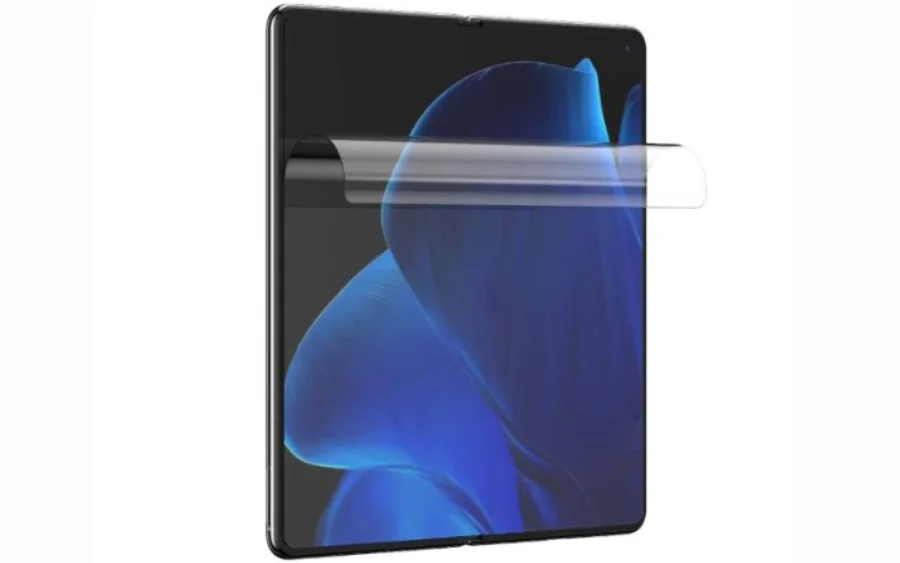
EPU material has good flexibility and impact resistance. It absorbs impact through elastic deformation from daily scratches, friction, and minor collisions, then returns to its original shape. Unlike tempered glass screen protectors, it won’t crack at the edges, and unlike ordinary hydrogel screen protectors, it won’t break easily with a scratch.
Sufficient and reassuring protection for daily use.
4. Hydrophobic and oleophobic
The most annoying thing about screen protectors is fingerprints and oil smudges. The Ultra screen protector has a special coating that causes water droplets to swirl and easily wipe off; fingers don’t leave any noticeable marks when they glide across it. After a day of use, the screen is still clean and clear.
5. Good post
Applying a screen protector is a painful process, as anyone with clumsy hands knows. But with this screen protector applicator (positioning frame), you can align, place, and scrape – air bubbles will automatically escape. Even beginners can get it right the first time, without having to repeatedly peel and reapply.
In the past, when we chose screen protectors, we only needed them to be hard enough, cheap enough, and able to prevent drops.
Now, when choosing a film, we need it to fit well, have a good texture, be durable, have a long lifespan, and be hassle-free.
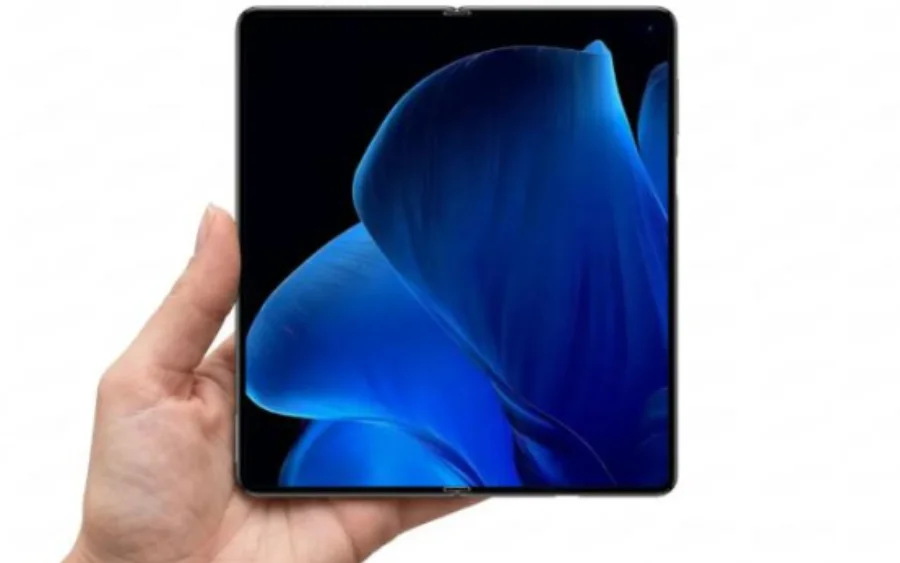
The rise of EPU material is an inevitable result of consumption upgrades and mobile phone form factor upgrades. Especially with the increasing popularity of high-end foldable and curved phones from Huawei, Honor, and Xiaomi, EPU flexible films have become a standard choice.
If you are using a Huawei Mate X7 / X6 / Pura X Max, or any curved or foldable screen and want to keep your screen looking new for a long time without needing to change the screen protector, choose DEVIA’s versatile EPU strong repair screen protector.
A good screen protector doesn’t have to be expensive, but it can keep your high-end flagship phone looking and working like new.
Related posts
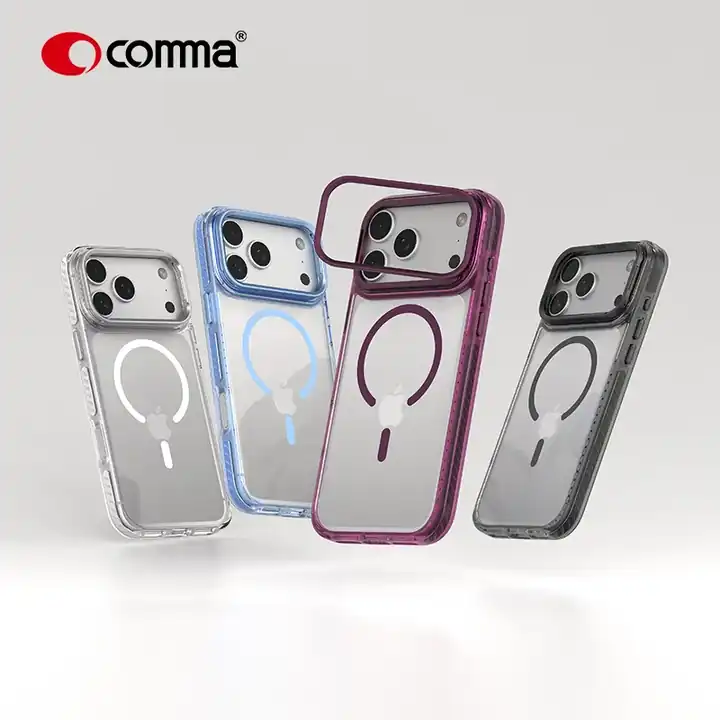
No More Naked iPhones: Hands-On Review of the comma Case, Screen Protector & Charger Trio
Variable Aperture Camera Accessories: comma’s Lens Protection Solution for the New iPhone
A20 Pro Performance Protection: Decoding comma’s Cooling and Protection Design Logic
Privacy Screen Filter for Monitor
Good Phone Case Brands
Computer Monitor Privacy Filter
Best phone case brands for the new iPhone 18
Why choosing the right phone case for this phone matters
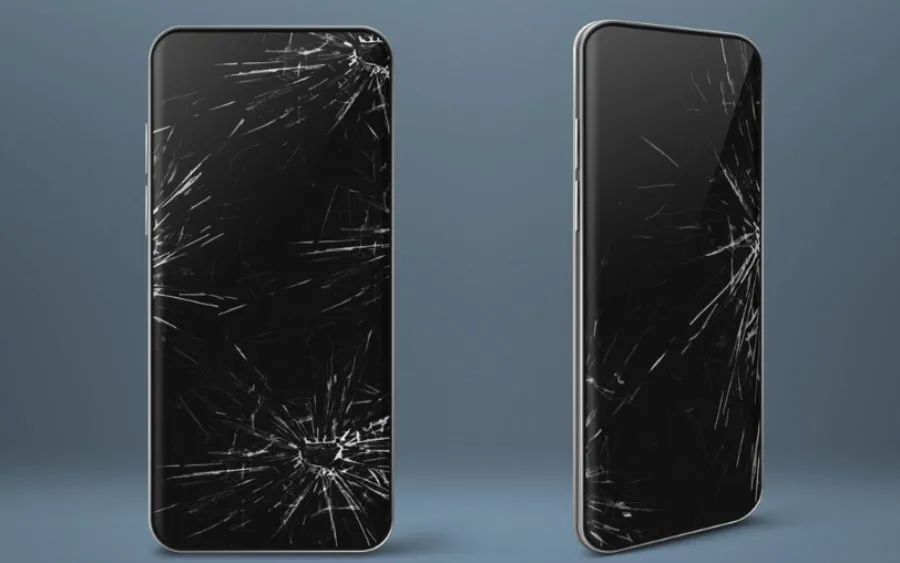
Screen cracked with screen protector
Upholding a commitment to quality and fulfilling its mission, Comma cultivates the real economy with craftsmanship.
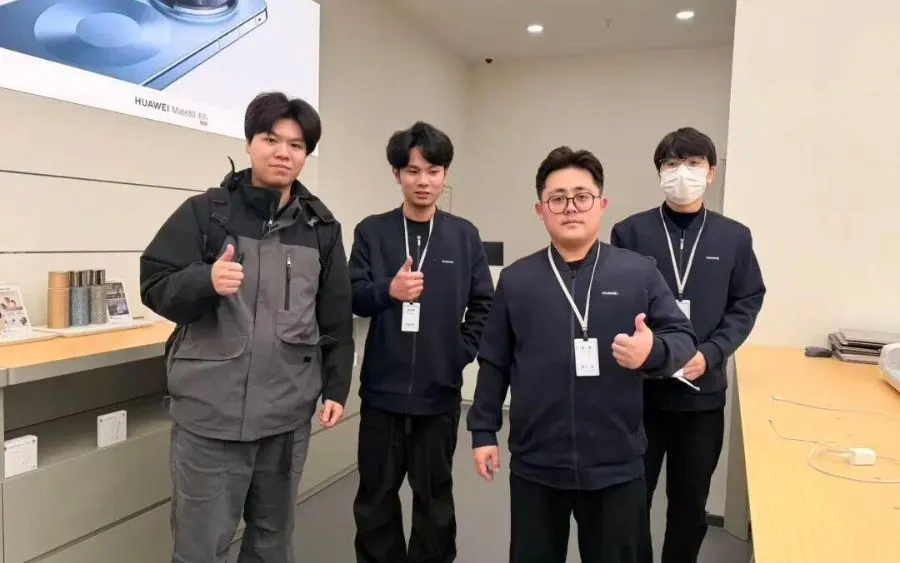
Setting Sail Anew in 2026 | DEVIA Enters into a Deep Strategic Partnership with Huawei to Jointly Build a High-Quality
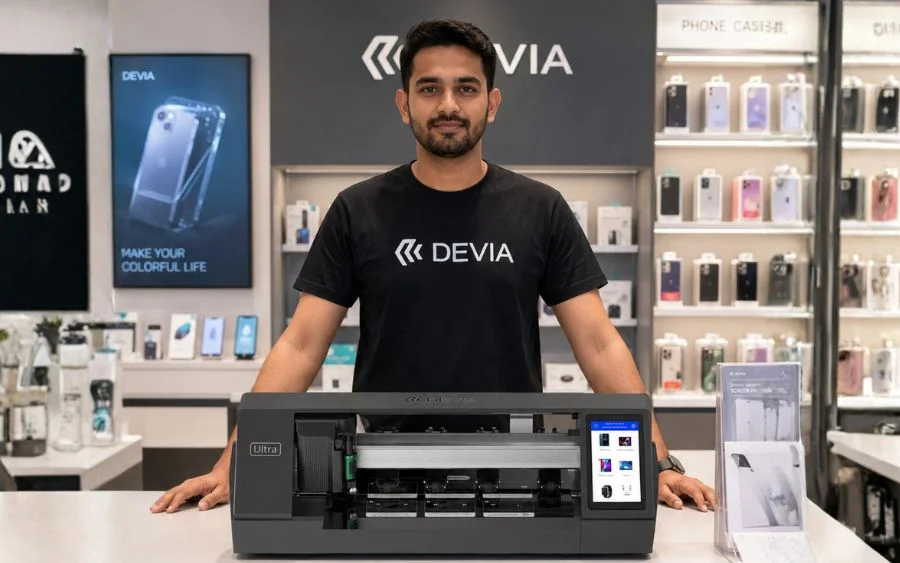
Top 5 Reasons Why Distributors Are Switching to Automated Film Cutting