Meanwhile, complaints about screen protectors are also increasing.
“Tempered glass screen protectors are too hard; they just won’t fit the curved surface and folding shape of the Pura X Max. They leave white edges, peel up, let dust in, and even rub against the phone case.”
“The hydrogel screen protector peeled up at the edges, leaving a white mark in the middle of the screen.”
“Is there a screen protector that I can use for a long time?”
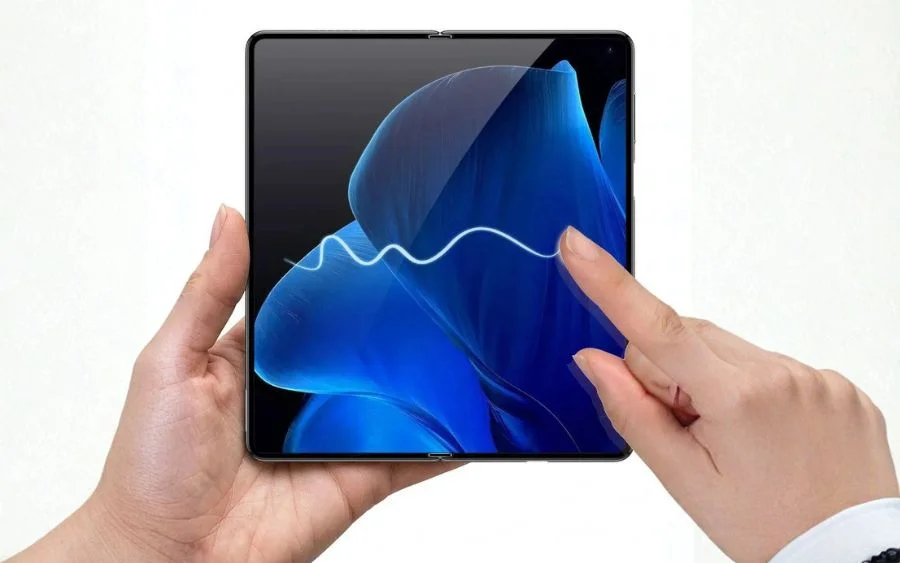
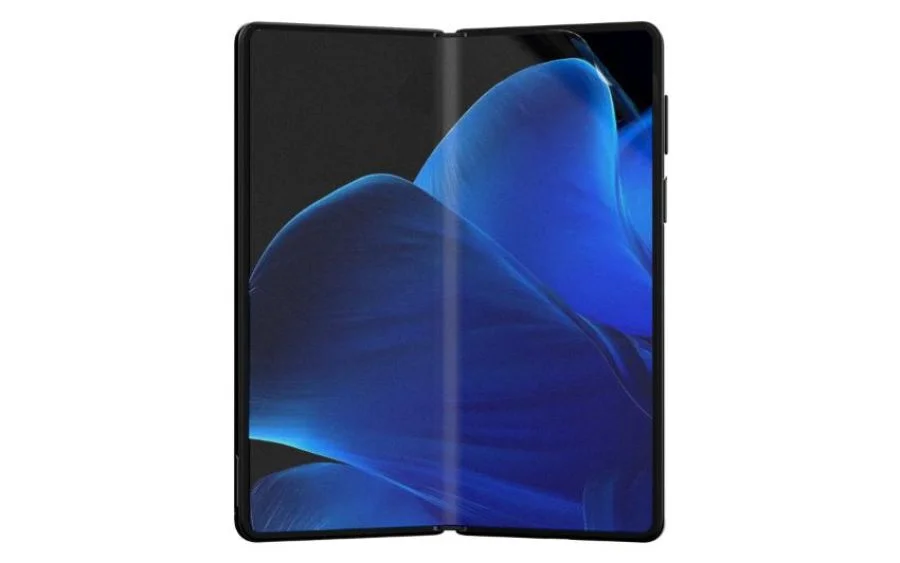
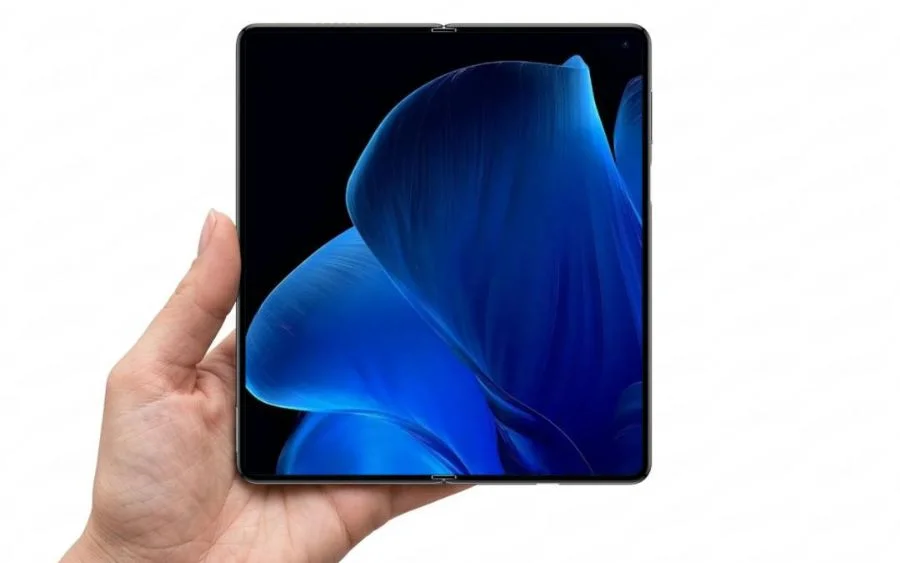
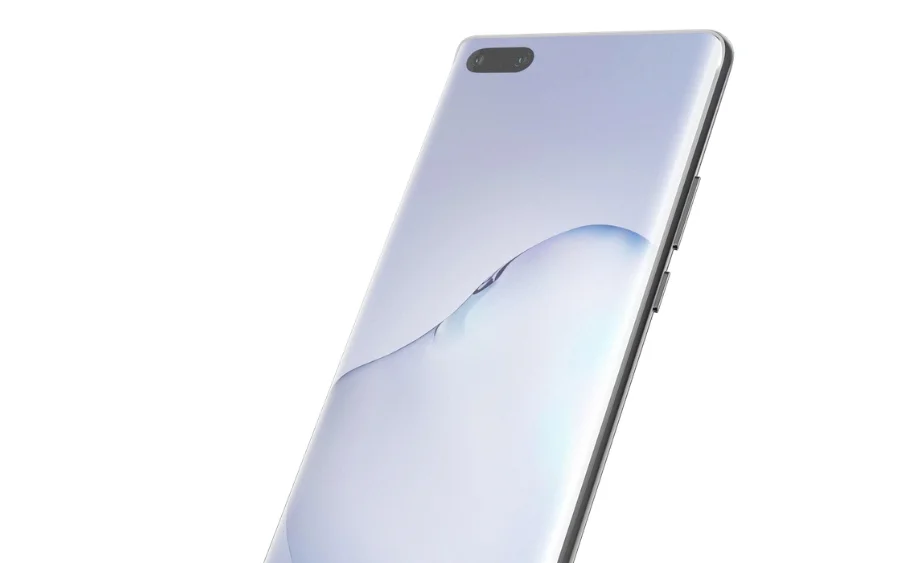
For example, the Huawei Pura X Max foldable phone series is selling increasingly well.
During its first week of sales from April 20th to 26th, activations exceeded 97,000 units. Sales in the first 7 days were approximately 180% of the previous generation Pura X, with the collector’s edition starting at 12,999 yuan accounting for more than half. As of the end of March, the previous generation Pura X had shipped over 1.5 million units in its first year on the market. It’s selling like hotcakes!
But a problem has arisen—how do you apply a screen protector to such an expensive foldable screen?
With the widespread adoption of curved screens, the explosion of foldable screens, and the upgraded premium feel of flagship phones, the shortcomings of traditional tempered glass screen protectors have been thoroughly exposed: they are heavy, prone to edge lifting, have a rough top shell, feel stiff, and quickly become scratched and dry. This highlights the increasingly strong demand from users for screen protectors that are “compatible, durable, and easy to apply”—choosing the right screen protector is crucial for using even high-end flagship phones with peace of mind and for long-term durability.
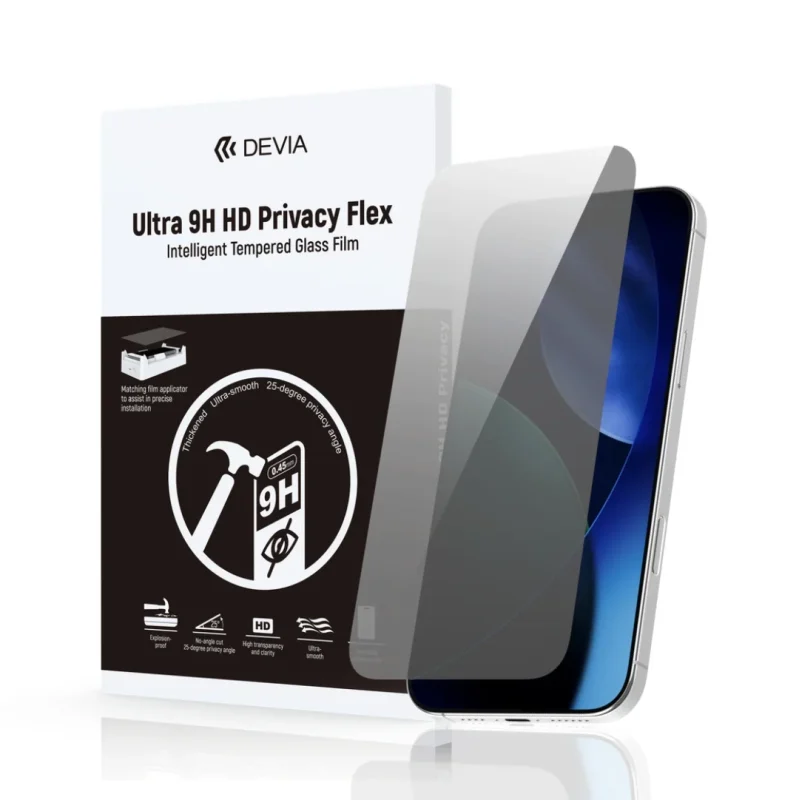
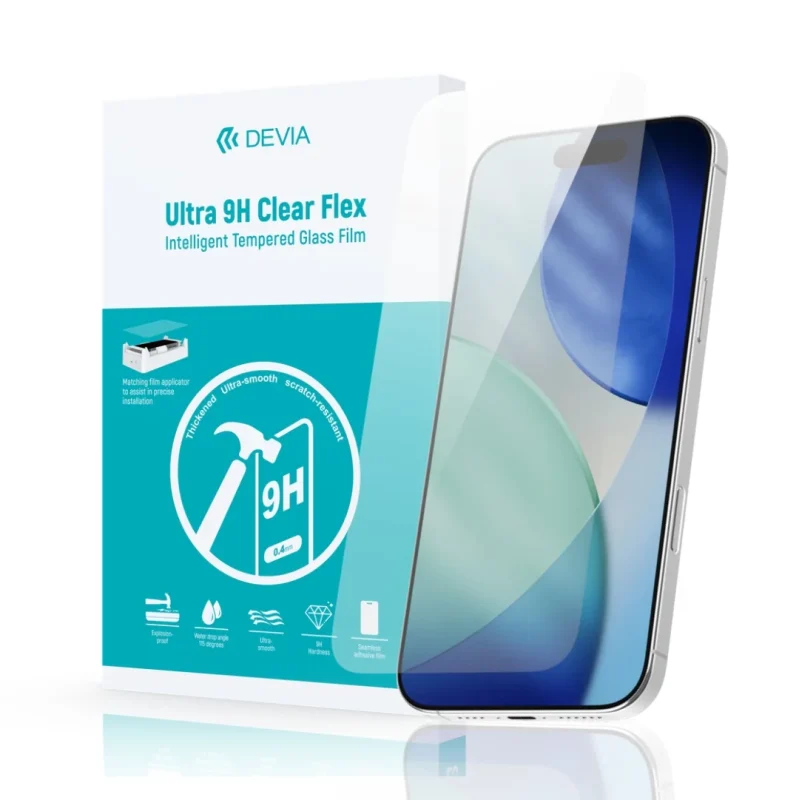
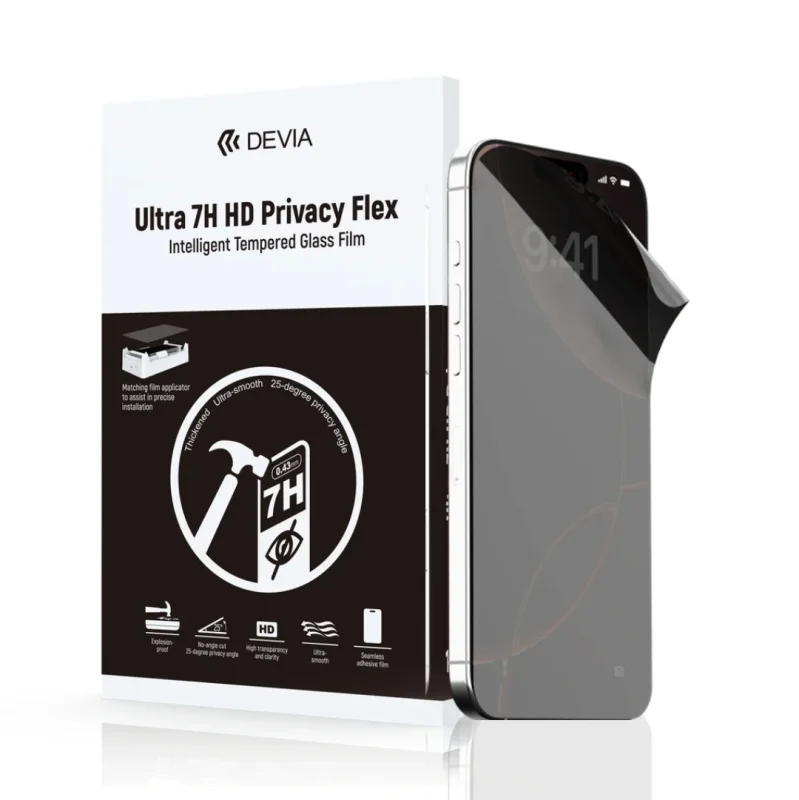
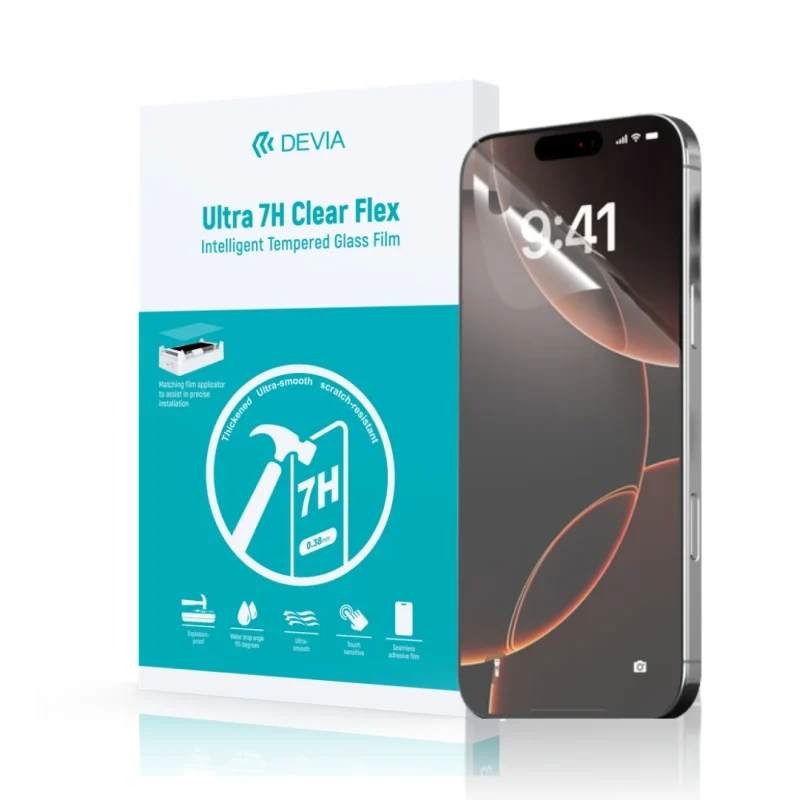
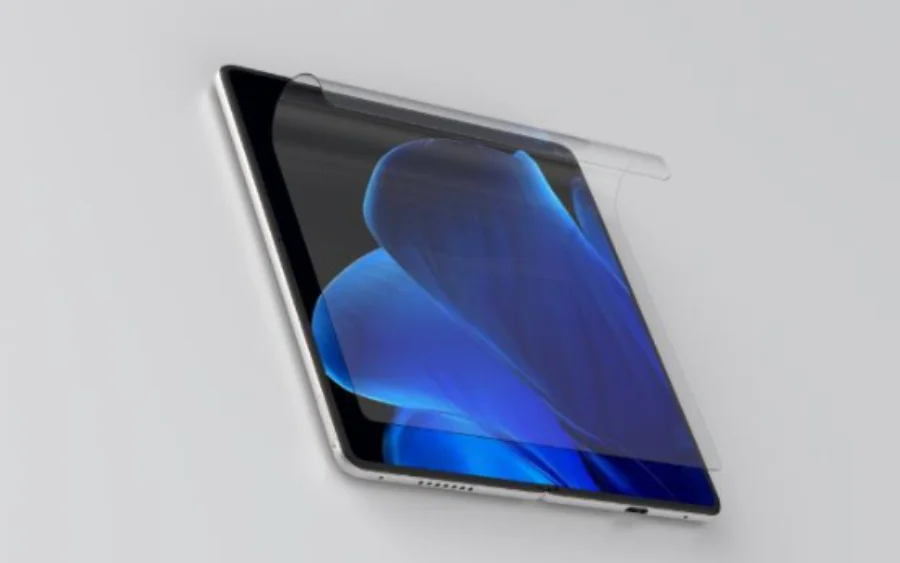
From “hard scratch protection” to “flexible self-healing,” EPU flexible screen protectors have become mainstream, and the DEVIA Ultra versatile electroplated strong repair screen protector, specifically designed for Huawei’s foldable screen, is the optimal solution to this pain point.
A Major Industry Shift: Why is Flexible Screen Protector Gaining Popularity?
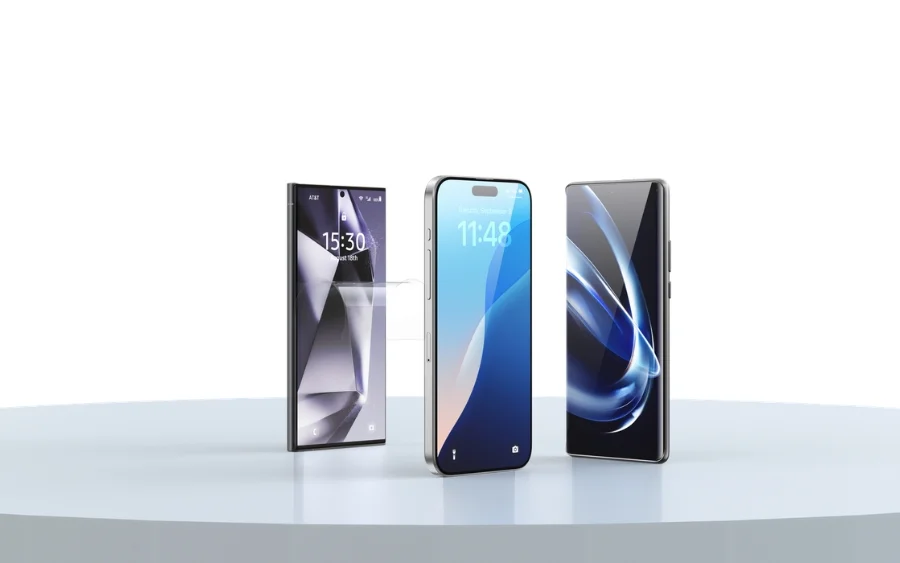
Objectively speaking, new smartphones today either feature slightly curved surfaces with large arc edges or foldable screens, prioritizing ultra-thin and rounded designs. Traditional tempered glass screen protectors, being hard glass, inherently have compatibility issues: poor edge adhesion, prone to white edges and lifting, almost guaranteed dust accumulation, a heavy and disjointed feel, and after two months, the oleophobic coating wears off, resulting in a dry screen, fingerprint smudges, and touch lag.
More importantly, tempered glass screen protectors only offer “passive protection”—a single drop can shatter them, and a single scratch results in a permanent mark, requiring replacement and creating a cycle of constantly applying and replacing screen protectors.
However, the current market demand has shifted from “scratch-resistant” to “always new, always smooth, always stable.”
This is the core reason for the complete rise of flexible materials and self-healing technology.
From “Scratch-resistant” to “Self-healing”: Three Stages of Evolving Consumer Demands
Stage 1: Scratch Resistance is Enough
Ten years ago, phone screens were only protected from keys.
Fingerprints, lifespan? Few people cared.
A regular PET film or a cheap tempered glass screen protector was enough to block scratches. As for feel,
Stage 2: Drop Resistance + Feel
Later, screens became larger, increasing the risk of breakage. Tempered glass screen protectors rose to prominence with their “sacrificing themselves to protect the screen” selling point. At the same time, users began to be picky about oleophobic coatings, light transmittance, and thickness.
Stage 3: Self-healing + Perfect Fit
Now, users face new pain points: tempered glass screen protectors don’t fit curved screens well; hydrogel screen protectors feel rough, scratch easily, and become unusable after a few days.
What everyone wants is a screen protector that “looks like it’s not on, heals itself when scratched, and won’t break when dropped.”
Therefore, the market demand for self-healing flexible screen protectors is growing rapidly.
What exactly is an EPU screen protector?
Many people are confused about the differences between soft screen protectors, hydrogel screen protectors, and EPU screen protectors. Let’s explain it clearly today:
EPU screen protectors are a new generation of high-end upgraded hydrogel screen protectors. They are currently the mainstream iterative product in the flexible screen protector market, overcoming the low-cost shortcomings of older hydrogel screen protectors.
✅ Core advantages of EPU screen protectors:
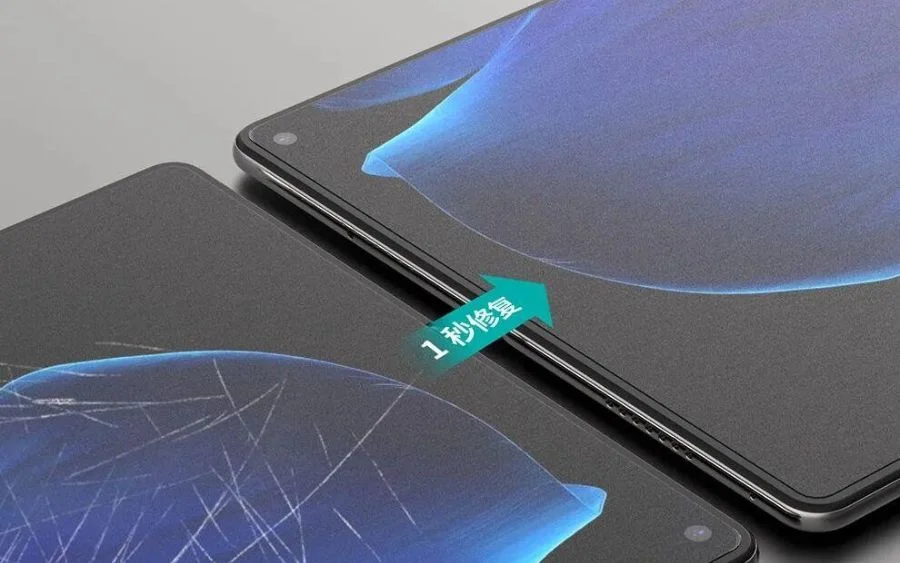
1. Self-healing nano-finish, say goodbye to frequent screen protector replacements. Ordinary tempered glass screen protectors and older hydrogel screen protectors suffer permanent scratches that worsen with use. High-quality EPU screen protectors, however, have self-healing properties.
Daily scratches from keys, pockets, or minor abrasions will automatically heal after a short time, keeping the screen looking brand new and clear for a long time.
2. Compatible with all models, adaptable to all new screen types.
Curved screens, flat screens, and foldable screens are all covered. The flexible material fits the screen curvature perfectly, preventing edge lifting, dust ingress, and screen overlap.
Perfectly adaptable to current mainstream flagship models, solving the common problem of tempered glass screen protector compatibility issues.
3. Slim and lightweight feel, preserving the phone’s premium feel
Thinner and more snug, maintaining the phone’s original slim and lightweight feel. Unlike tempered glass screen protectors, it’s not bulky or obtrusive, making it more comfortable for extended use and gaming.
4. Anti-oxidation and non-yellowing, longer lifespan
Upgraded polymer base material, with anti-aging and anti-oxidation capabilities far exceeding ordinary hydrogel films. It won’t yellow or fog up after just half a month of use, significantly improving durability.
Ultra Versatile Mask: DEVIA’s top-selling EPU repair mask, with five core selling points directly addressing current trends.
DEVIA began developing EPU technology films early on, launching the Ultra Versatile Electroplated Strong Repair Film. This is why DEVIA Ultra EPU films call themselves the “Hermes of soft films”—the materials and processes are truly on a different level.
✅1. Flexible Glass Film Feel—Solving the “Soft Film is Always Slippery” Curse
The biggest deterrent of ordinary hydrogel films is their feel—like scratching your fingers on frosted glass. The Ultra EPU surface has an electroplated hardening coating, increasing hardness and achieving a smoothness approaching tempered glass. At the same time, it’s only 0.18mm thick, making it almost imperceptible when applied. It has both the “soft film fit + glass feel” you want.
✅2. Nano Self-Healing—A Leap from “Scratch Resistance” to “Self-Healing”
Micro-scratches caused by keys, fingernails, and dust particles will slowly “flow” and smooth out under the influence of the phone’s heat. After a month of use, the screen remains as clean and new as ever, without needing to replace the screen protector because of a few fine lines.
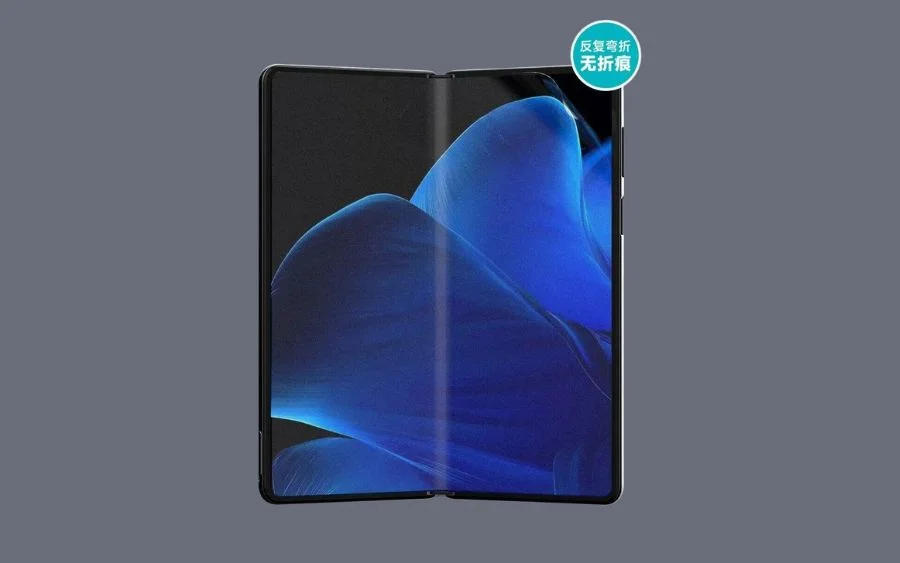
✅3. Strong Protection – Flexible Cushioning, No Shattering Edges
Shattered edges are the number one reason for replacing tempered glass screen protectors. EPU is a soft material; it absorbs impact from daily bumps and drops through elastic deformation and then recovers. It won’t shatter or chip.
A screen protector can last for six months, not because it’s hard, but because it’s resilient.
✅4. Hydrophobic and Oleophobic – Say Goodbye to “Fingerprint Collectors”
Fingerprints and oil smudges are the “face killer” of screen protectors.
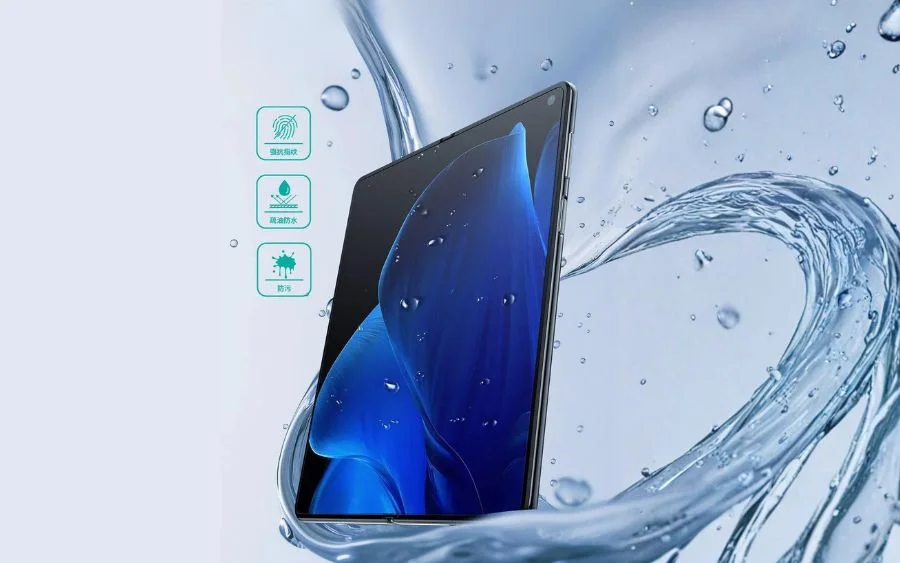
Ultra EPU’s high-quality oleophobic layer and newly upgraded electroplating layer cause water droplets to bead up,
and wipe clean with a single touch. You don’t need to wipe your screen every day, and friends won’t mind if you borrow their phone.
✅5. Easy Application – A Boon for Those with Clumsy Hands
Align, place,
and scrape—air bubbles automatically disappear. Apply it yourself,
and you’ll succeed on the first try.
In 2026, as mobile phone designs continue to evolve, the iteration of the screen protector industry is essentially an iteration of user needs. These new technologies all place higher demands on screen protection.
Tempered glass screen protectors won’t disappear, but they will retreat to their “comfort zone”—flat screens, rigid screens, and devices less sensitive to thickness. However, for curved screens, foldable screens, and scenarios requiring “seamless adhesion + self-healing,” EPU flexible screen protectors will become the absolute mainstream.
DEVIA, as an accessory service provider in over 150 countries and regions worldwide, has been doing one thing for 19 years: ensuring users can buy with peace of mind.
The Ultra Versatile Screen Protector is our answer to the market in 2026.
Let’s discuss in the comments: What’s the most unbearable drawback of screen protectors?
Related posts
Top 5 Reasons Why Distributors Are Switching to Automated Film Cutting
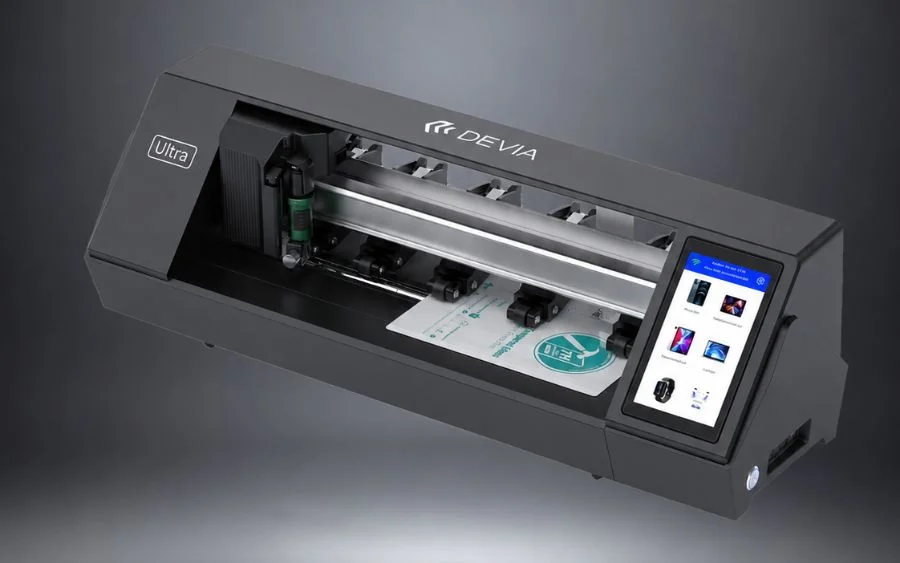
Devia Plotter Ultra Review: Features, Speed, and Business Value
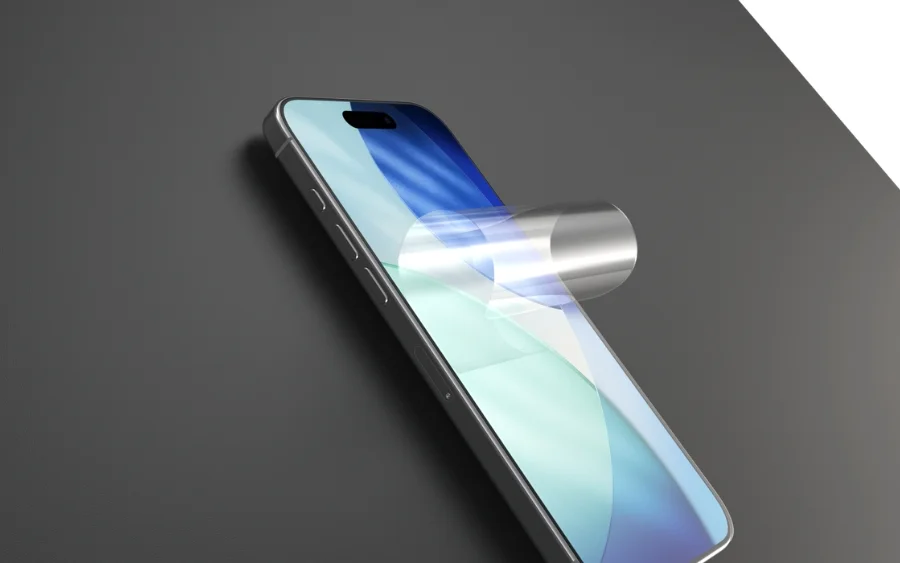
9H Hydrogel Film — Ultra-Resistance Screen Protector
Mobile Accessories Wholesaler — Global B2B
Screen Protection Solutions for Retailers
Hydrogel Film Cutting Plotter — B2B Distributor
Huawei officially launched the nova 16 series in Chengdu. This is a milestone product for the tenth anniversary of the nova series, covering three models: nova 16
The 2026 FIFA World Cup in the United States, Canada and Mexico officially kicked off on June 12.
100 real user reviews: The Ultra Repairable Screen Protector solved my screen protector anxiety.
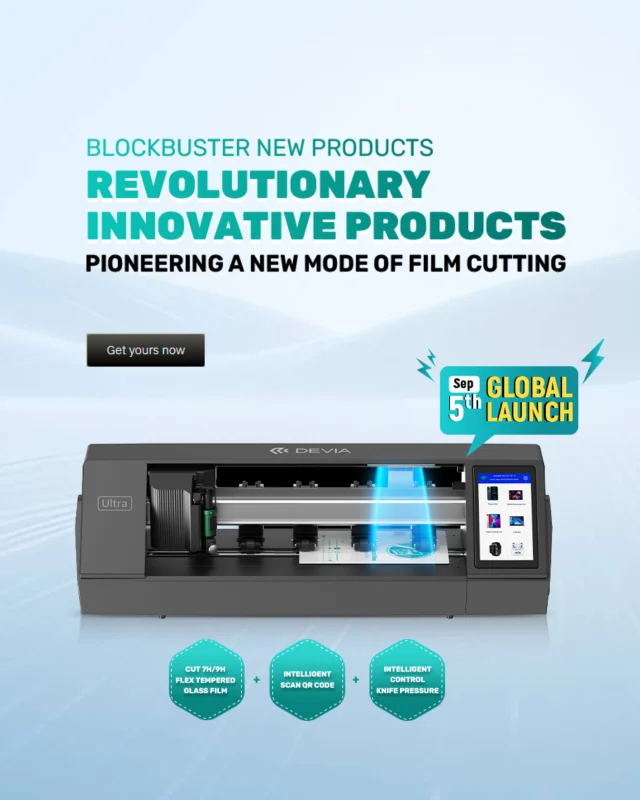
DEVIA Versatile Film Cutting Machine: Titanium-plated blade tip + automatic blade pressure, redefining in-store film cutting.
What is the teardrop angle? Is a higher angle always better? A detailed explanation of the hydrophobic and oleophobic properties of Ultra membranes.
Popular Science: What is EPU Material? Why is it the Ideal Choice for Screen Protectors?