

Do any of you, like me, need to frequently replace your phone screen protector?
It looks clean and crisp right after you apply it, but it quickly starts to fail: the screen becomes covered in fine scratches, fingerprints and grease, the edges peel up and dust gets inside, and after a month it yellows and becomes foggy. Many people try to save money by repeatedly buying cheap screen protectors, ending up replacing them four or five times a year – time-consuming, laborious, and expensive, with a terrible user experience.
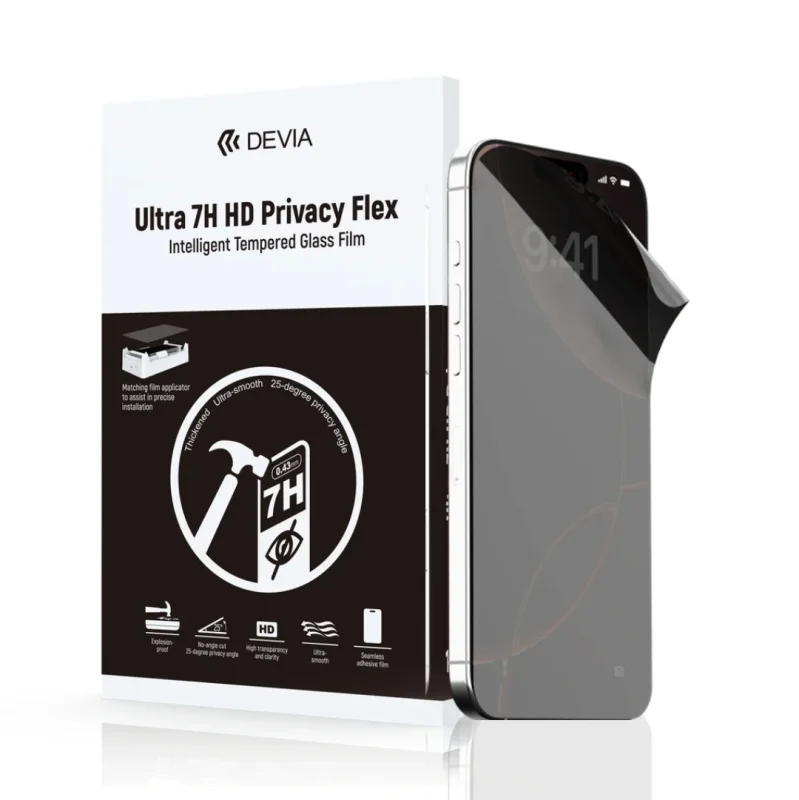
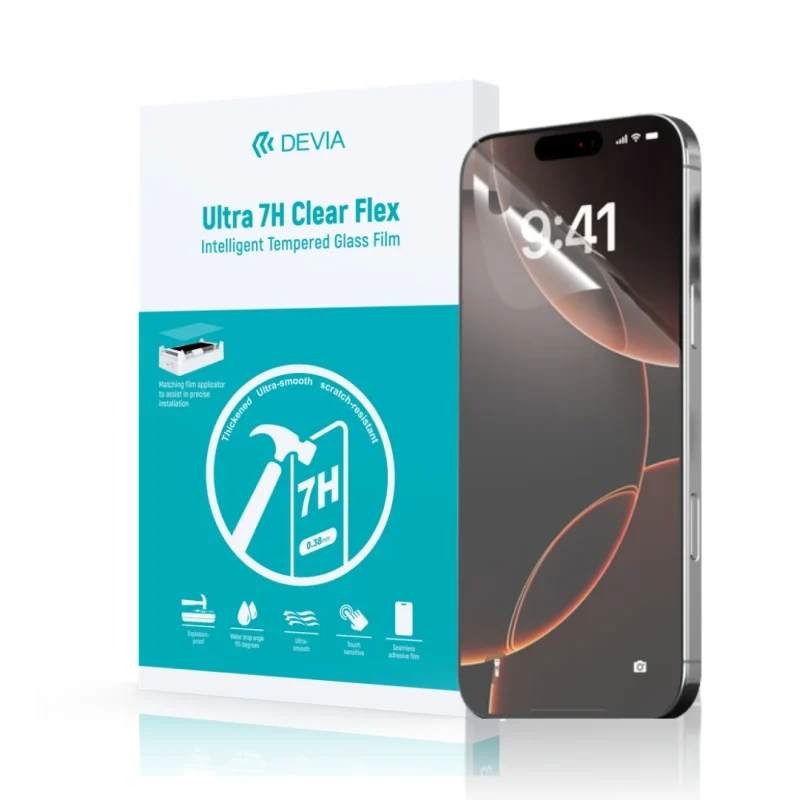
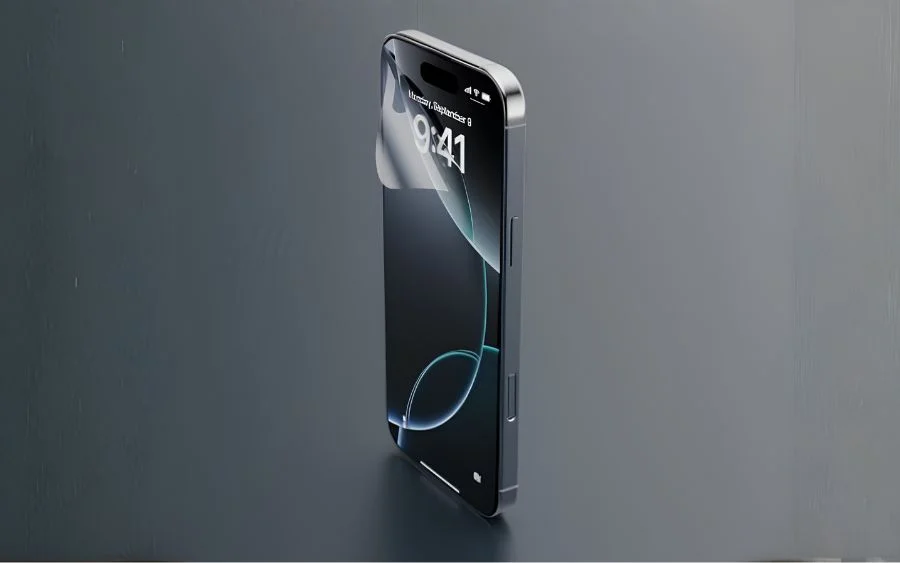
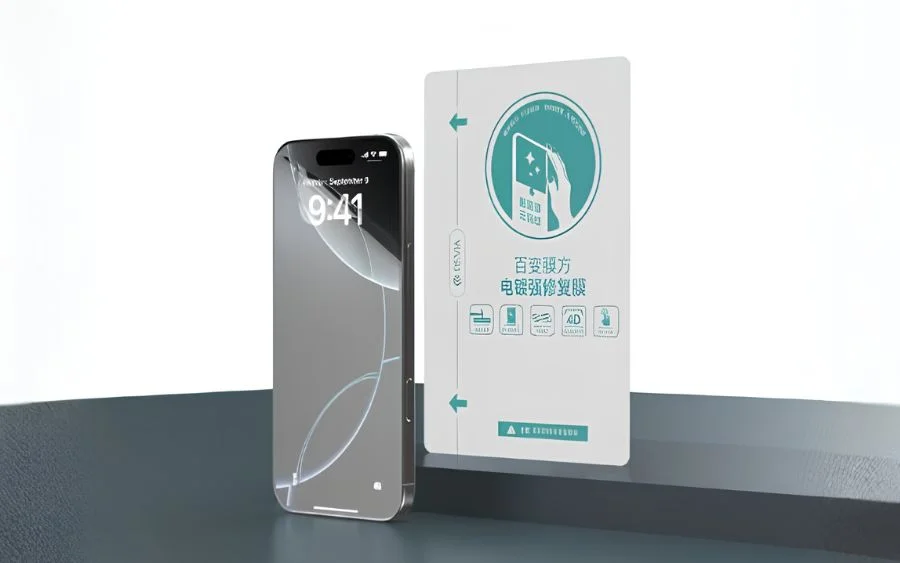
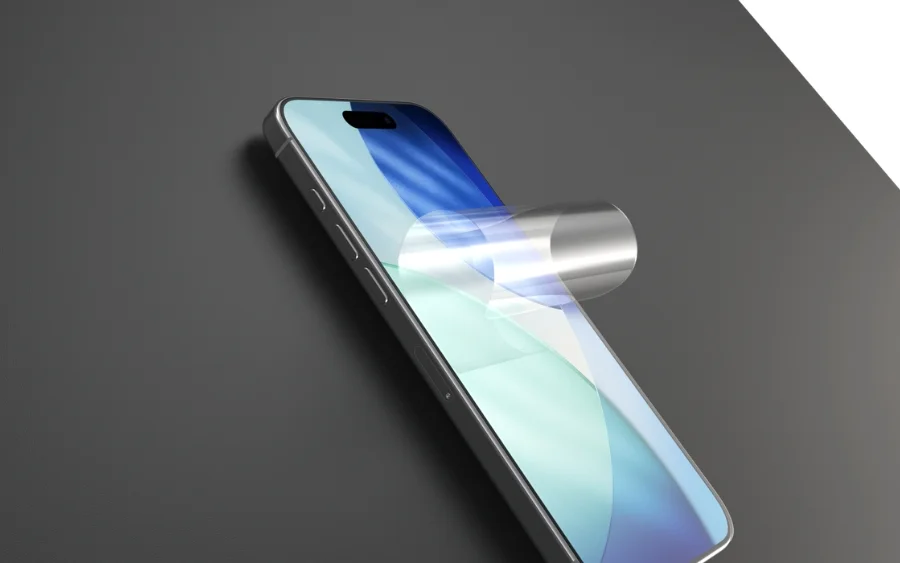
The real problem is choosing the wrong screen protector. Ordinary tempered glass screen protectors and cheap hydrogel screen protectors inherently have shortcomings in materials and manufacturing processes, resulting in a short lifespan and low tolerance for problems. Today, I’m here to solve your “frequent screen protector anxiety” – the DEVIA Ultra Multi-Functional Electroplated Strong Repair Screen Protector.
As an upgraded, high-end EPU repair screen protector, it directly increases the lifespan of your phone screen protector by more than 3 times. For several months, the feel, protection, and clarity remain consistently excellent, saying goodbye to the various problems associated with cheap screen protectors.
One sheet is all you need.
What exactly is an EPU screen protector? Why is it more durable?
Many people are confused about the different types of screen protectors. Today, we’ll explain it clearly and help you understand.
EPU screen protectors are essentially high-end upgraded versions of hydrogel screen protectors, representing the current mainstream upgrade trend in the screen protector market.
Traditional hydrogel screen protectors are entry-level consumables with significant drawbacks: loose material, low density, no repair capabilities, prone to yellowing and fingerprints, and extremely short lifespan—basically, they are “consumables.”
EPU screen protectors, on the other hand, are made of a high-polymer upgraded base material. Their density, toughness, and oxidation resistance are all maximized. They perfectly inherit the advantages of hydrogel screen protectors—full-screen adhesion, compatible with all phone models, no edge lifting, and no sticking to the casing—while solving the fatal flaws of older hydrogel screen protectors: easy yellowing, easy scratching, easy stickiness, and short lifespan. They are high-quality screen protectors that balance feel, protection, and long-lasting durability.
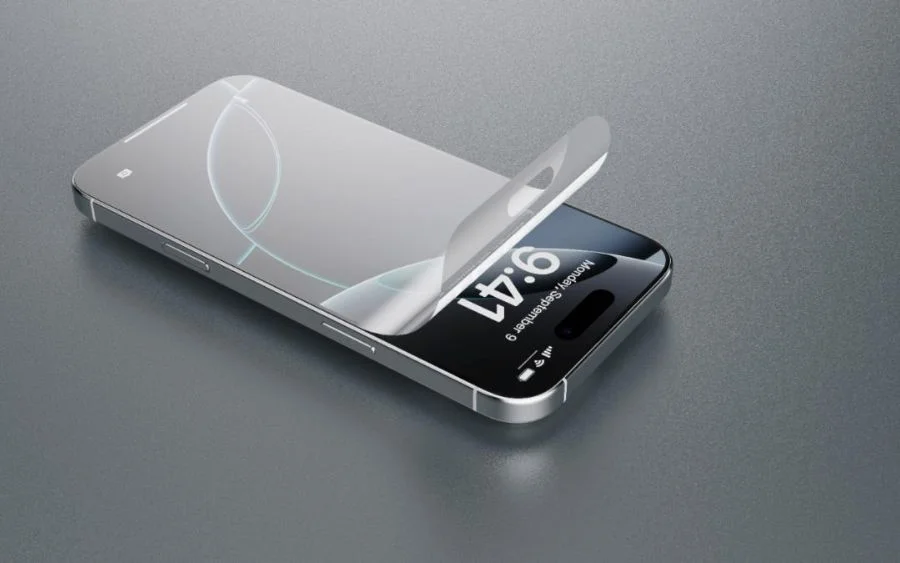
Simply put: it retains the perfect fit of a soft screen protector while adding the smoothness and self-healing capabilities of a tempered glass screen protector.
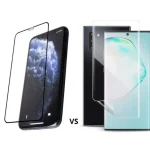
EPU screen protector vs. tempered glass screen protector: Which is the better buy?
The limitations of tempered glass screen protectors are becoming increasingly apparent: While they are hard, they are also thick and rigid, making them unsuitable for curved screens. They are prone to white edges, lifting, sticking to the outer shell, and dust accumulation. Furthermore, ordinary tempered glass screen protectors are also susceptible to scratches, fragile, and their oleophobic coating wears off quickly, becoming dry and sticky after a period of use, requiring frequent replacements.
The advantages of EPU high-healing screen protectors are a comprehensive and balanced approach: They don’t have the compatibility limitations of tempered glass screen protectors, nor the short lifespan of ordinary hydrogel screen protectors. They are thin, adhere well, have an excellent feel, are self-healing, fingerprint-resistant, and age-resistant. For most ordinary users and users of curved/foldable screens, EPU screen protectors are a more suitable, worry-free, and cost-effective long-term choice.
Five key selling points for a 3x longer lifespan:
1. Flexible glass screen protector feel, smooth and comfortable even after prolonged use.
Breaking away from the cheap plastic feel of ordinary soft screen protectors and the heavy, sticky feel of tempered glass, this screen protector undergoes a high-end electroplating process for a fine, dry feel, almost indistinguishable from the texture of bare glass. Full-screen touch is smooth and responsive, ensuring a seamless experience for typing, watching videos, and playing games. Furthermore, the oleophobic coating is more durable and won’t dry out or malfunction after just two weeks of use.
2. Nano-self-healing, scratches disappear automatically.
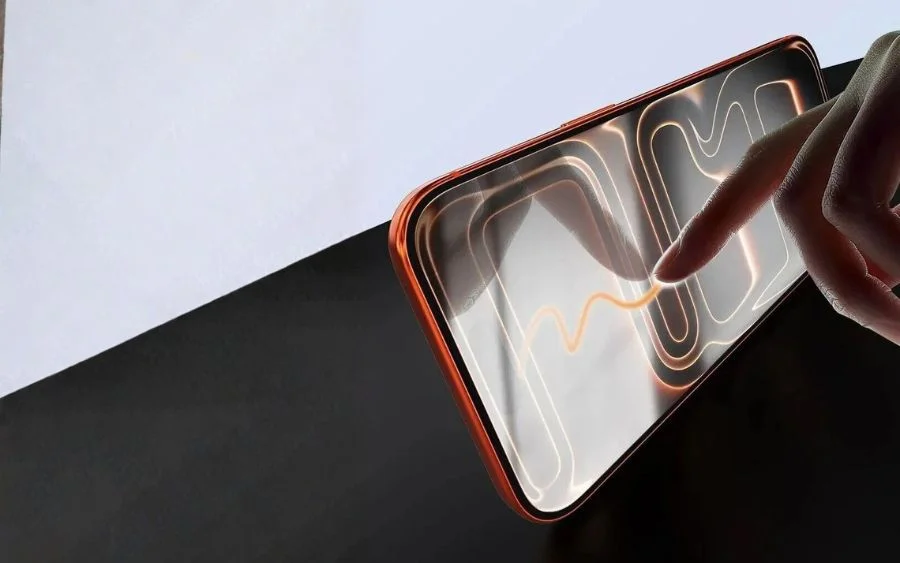
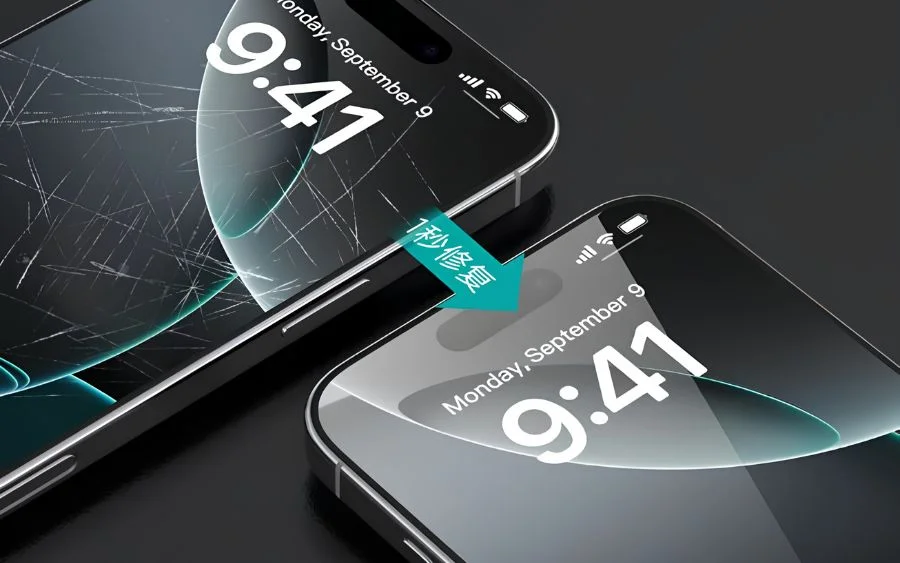
This is the core key to its long-lasting durability. The film uses a high-polymer nano-self-healing material. Minor scratches from daily key friction, pocket rubbing, or desktop contact will automatically repair themselves after a short time, leaving no permanent marks. While ordinary screen protectors become increasingly faded and foggy with use, this film maintains its high definition and clarity even after long-term use, reducing the frequency of screen protector replacements.
3. Strong protection, scratch-resistant and abrasion-resistant, firmly protecting the screen.
Using a high-density reinforced EPU substrate, the film offers upgraded toughness and impact resistance, effectively dispersing the force of daily bumps and corner impacts. It boasts maximum scratch, explosion, and crack resistance. Suitable for daily commutes, student backpack storage, and outdoor use, it provides all-around screen protection, preventing the accumulation of minor damage and offering far greater durability than ordinary screen protectors.
4. Hydrophobic and oleophobic, long-lasting fingerprint resistance, non-greasy and non-yellowing.
The upgraded long-lasting electroplated oleophobic layer effectively isolates sweat, fingerprints, and oil stains, keeping the screen clean and fresh.
It wipes clean with a single touch. Simultaneously, the substrate itself has anti-aging and anti-oxidation properties. For example, it avoids common problems like yellowing, discoloration, and fogging found in ordinary films. This film maintains its clarity and transparency even after long-term use, maintaining its aesthetic appeal and premium feel.
5. Super easy to apply, zero mishaps. The film is flexible and stable with excellent adaptability. Whether you’re a beginner applying it yourself or doing bulk application at a store, it’s easy to use. Even if it’s misaligned, it can be fine-tuned, reapplied, leaves no adhesive residue, and won’t damage the screen, easily achieving a perfect effect without bubbles, dust, or peeling edges.
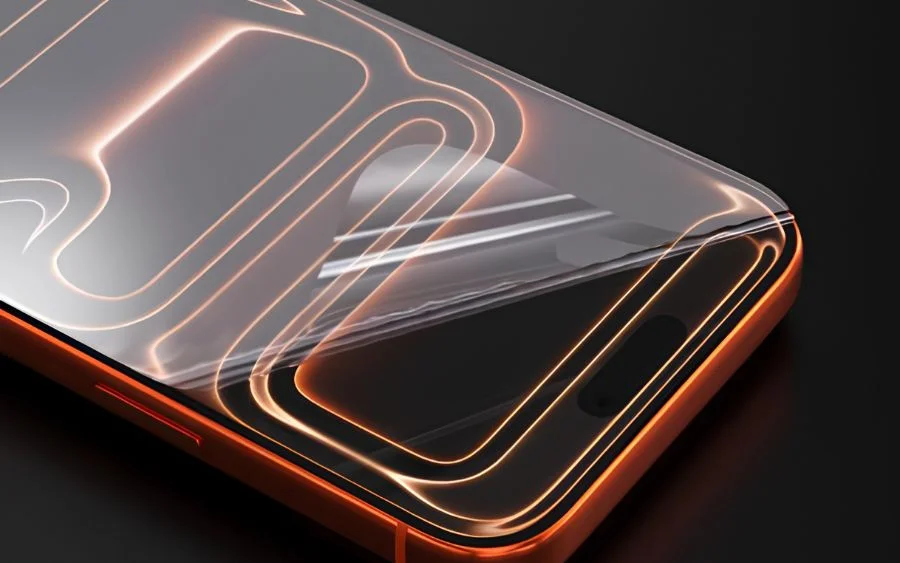
In 2026, mobile phone screens will increasingly feature curved screens, foldable screens, and micro-arc edges.
Tempered glass screen protectors on these models often result in white edges, gaps, or breakage upon contact. EPU screen protectors, however, perfectly conform to any curve,
and with their self-healing, ultra-thin, and smooth advantages, they are becoming the preferred choice for users who demand high quality.
DEVIA Ultra’s versatile electroplated strong-repair screen protector uses upgraded EPU material, nano self-healing technology, and a long-lasting electroplating process to
directly increase the lifespan of the screen protector by 3 times.
Worry-free, clean, silky smooth, and durable, say goodbye to the hassle of repeatedly replacing screen protectors, making every use of your phone feel almost like a brand new device.
One screen protector lasts for six months. It saves not only money, but also time and a good mood.
How often do you replace your phone screen protector?
What’s the most unbearable problem with inferior screen protectors?
Let’s discuss in the comments!
Related posts
Privacy Screen Filter for Monitor
Good Phone Case Brands
Computer Monitor Privacy Filter
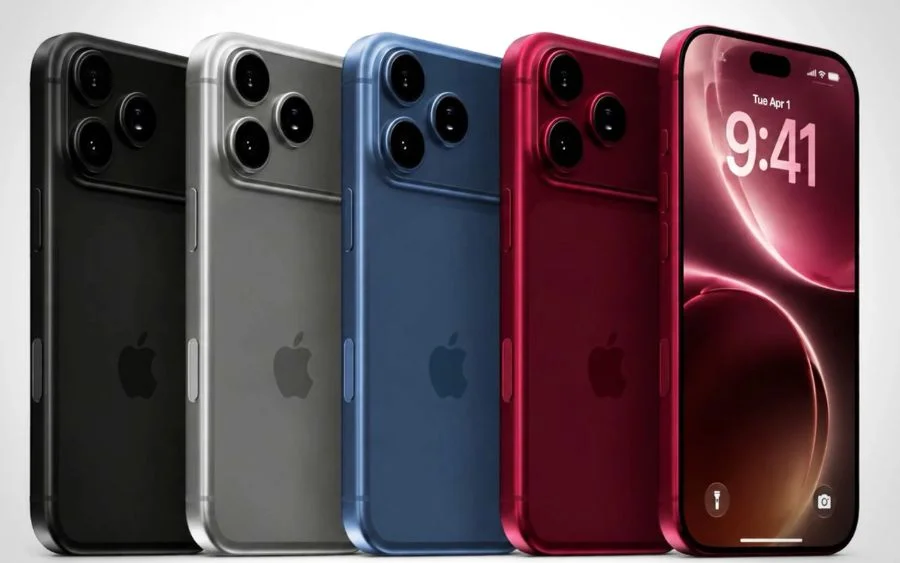
Best phone case brands for the new iPhone 18
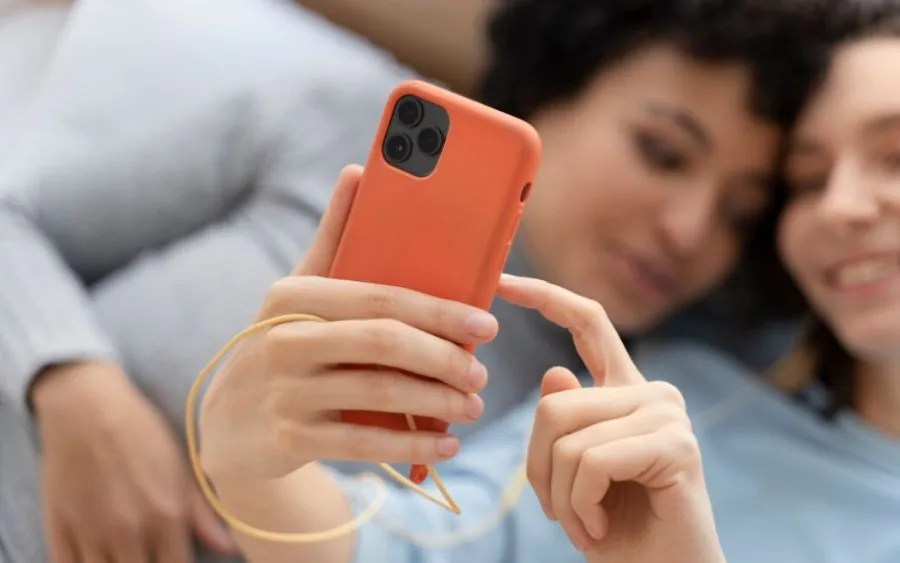
Why choosing the right phone case for this phone matters
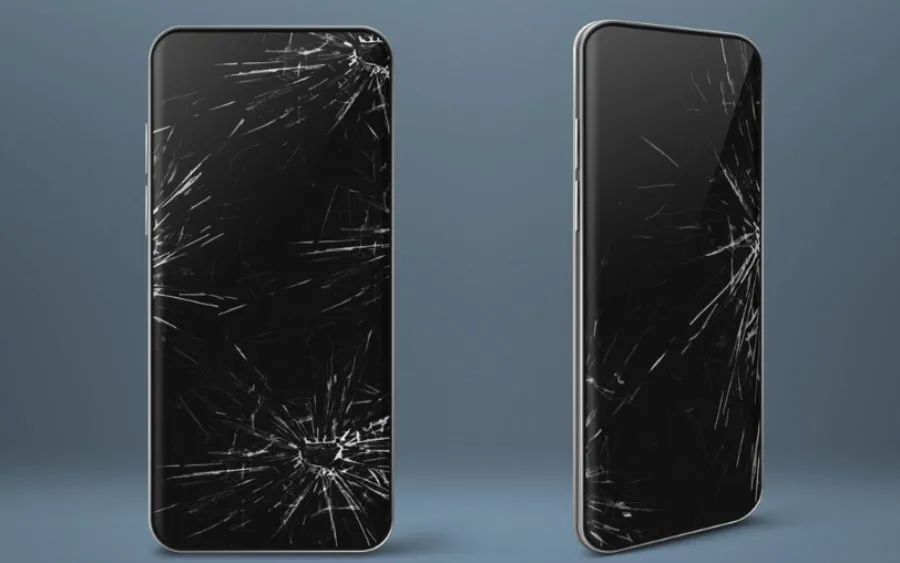
Screen cracked with screen protector
Upholding a commitment to quality and fulfilling its mission, Comma cultivates the real economy with craftsmanship.
Setting Sail Anew in 2026 | DEVIA Enters into a Deep Strategic Partnership with Huawei to Jointly Build a High-Quality
Top 5 Reasons Why Distributors Are Switching to Automated Film Cutting
Devia Plotter Ultra Review: Features, Speed, and Business Value
9H Hydrogel Film — Ultra-Resistance Screen Protector
Mobile Accessories Wholesaler — Global B2B