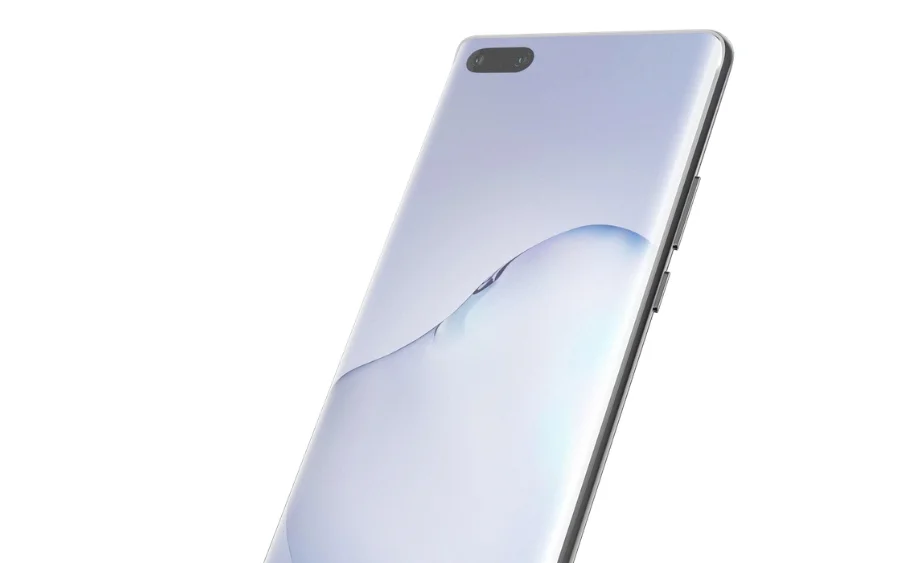
“Curved screens look really good, but applying a screen protector is really difficult.” I’ve heard this from at least a few hundred users.
I excitedly applied a tempered glass screen protector to my new phone. A few days later, dust started getting into the edges of the screen. A few weeks later, the corner cracked.
Curved screen users have it even worse: tempered glass screen protectors either don’t adhere properly, leave gaps in the middle, or shatter at the slightest touch. They eventually have to compromise with hydrogel screen protectors, which end up feeling rough and attracting very noticeable fingerprints.
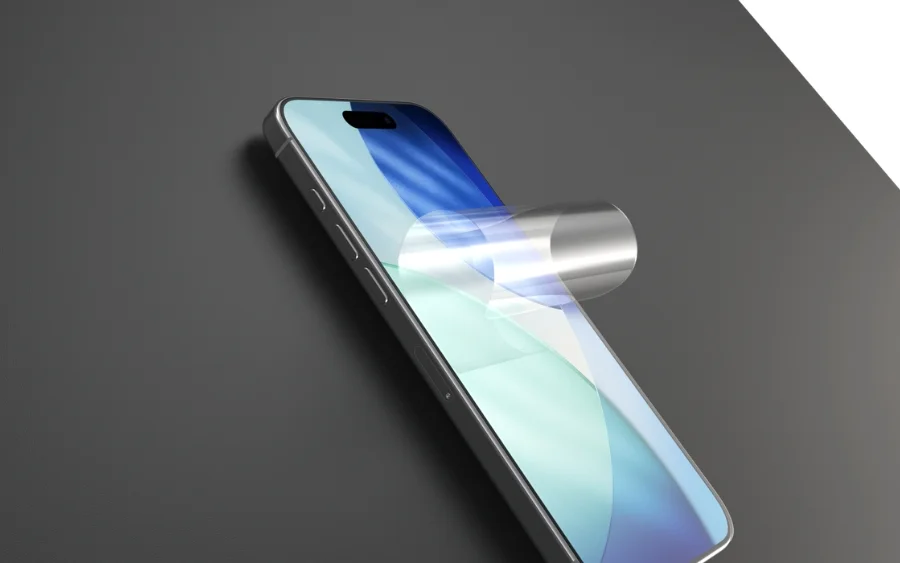
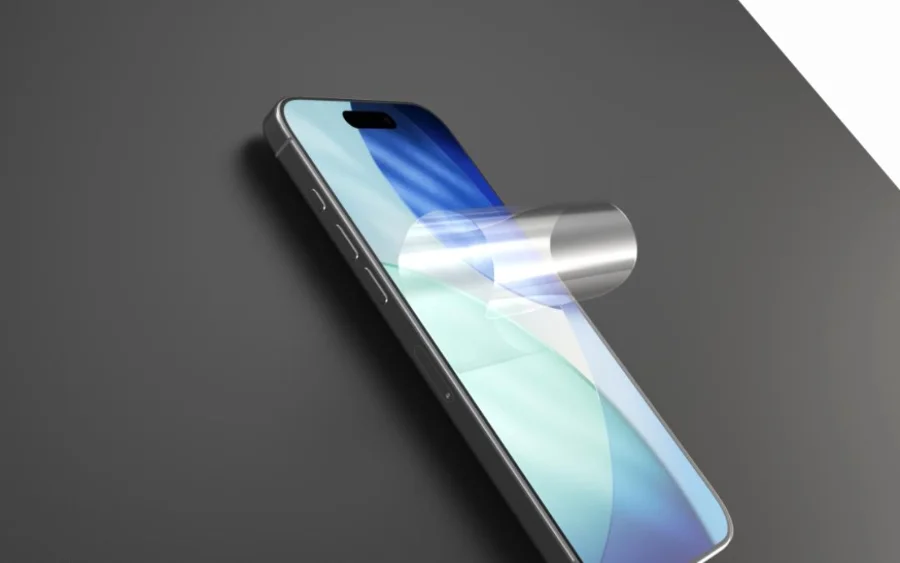
Today’s mobile phone screens have evolved from flat to curved, and from 2.5D to micro-arc surfaces, making it increasingly difficult for traditional tempered glass screen protectors to perfectly fit them. EPU screen protectors, however, are redefining screen protection in a more professional way.
Have you ever experienced this kind of “screen protector application failure”?
What are the pain points of screen protector application for curved screens?
Let’s first talk about the three major obstacles for curved screen users:
1. Tempered glass screen protector: It doesn’t adhere well and is easily broken. The edges of the screen are curved, while the tempered glass screen protector is flat. Forcing it on results in:
The middle is stuck on, but the edges are curling up. You can either make it smaller (leaking white edges) or use UV glue (difficult to apply, dangerous, and the glue may drip into the earpiece).
2. Regular hydrogel film: Poor feel, prone to bubbling. Hydrogel film can adhere to curved surfaces, but the feel… it’s rough to the touch.
It feels like sliding on frosted glass. Not to mention the fingerprint collector, dust and bubbles get into the corners after just a few days, its lifespan is pitifully short.
3. Screen protector application process: A nightmare for those with clumsy hands. Without a positioning tool, you have to apply it yourself, aligning it with the screen – bubbles, dust, crooked placement… You have to peel it off and reapply…
I applied it, then peeled it off, ruining half of it. Then the screen got scratched, and I regretted it.
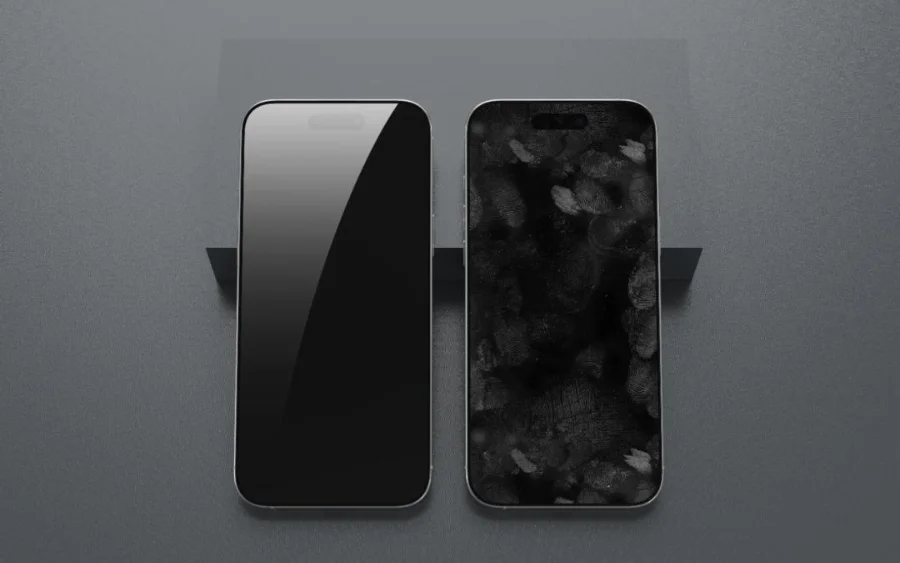
EPU What exactly is it? It’s not an ordinary hydrogel membrane.
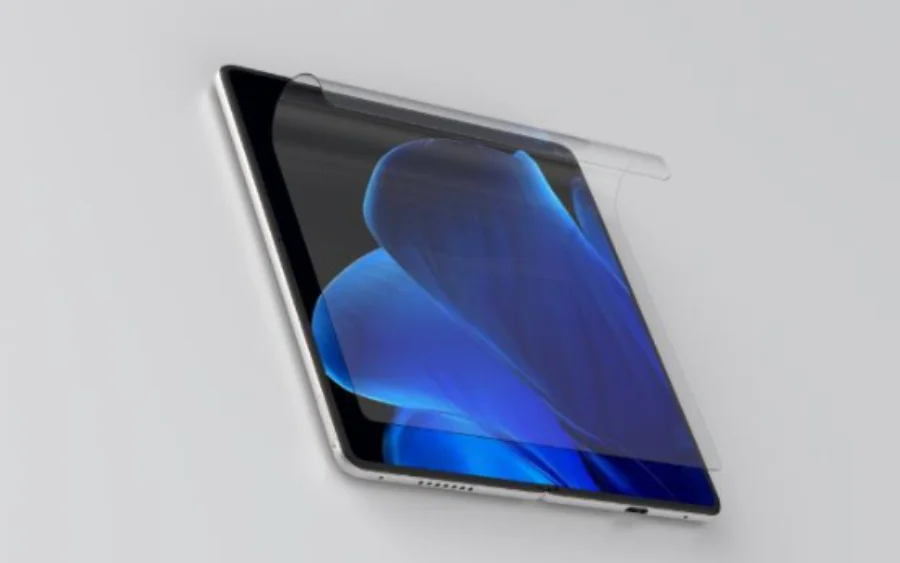
In fact, EPU membrane is an upgraded version of hydrogel membrane. It is still a flexible membrane in essence, but the material is better and the process is more precise than ordinary hydrogel membrane. Most ordinary hydrogel membranes are made of TPU material, while EPU is reinforced polyurethane. Its toughness, wear resistance and repair ability are much stronger than ordinary hydrogel membranes. Simply put, it is the “top-of-the-line version of hydrogel membrane”, which solves the pain points of ordinary hydrogel membranes such as stickiness, easy yellowing and slow repair.
This is why Ultra EPU dares to call itself the “Hermes of the soft membrane industry”—the materials and processes are indeed on a completely different level.
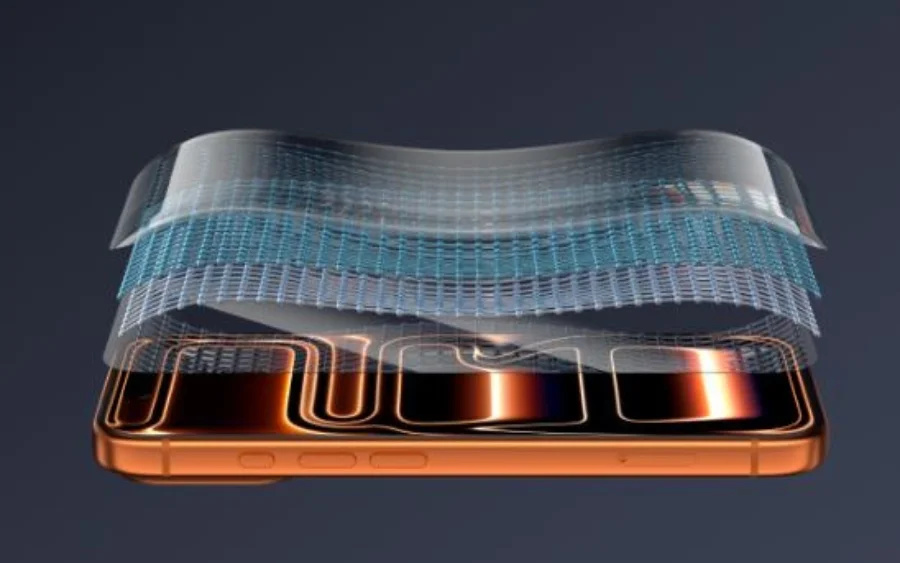
EPU The screen protector market: Why is it becoming a standard feature for curved screen users?
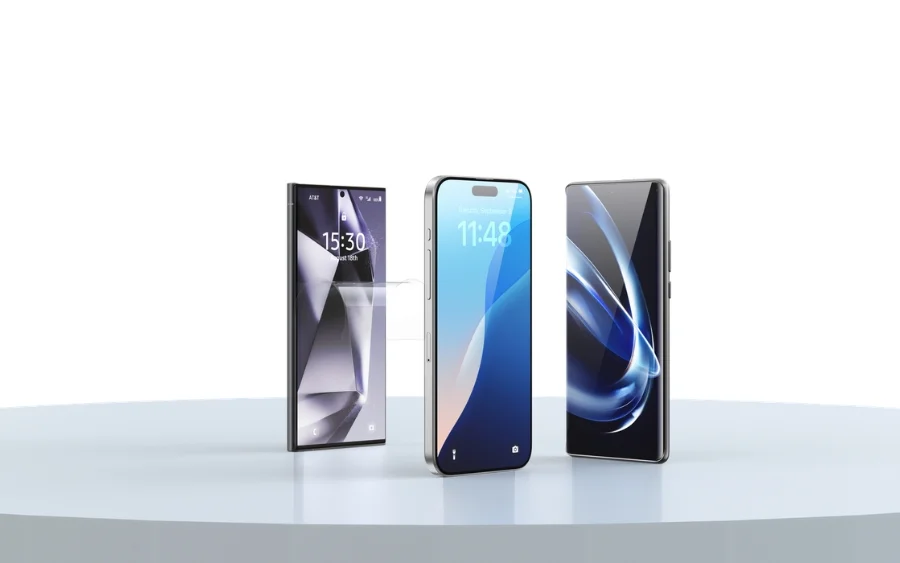
In the 2026 mobile phone market, curved screens, foldable screens, micro-arc edges… screen forms are becoming increasingly complex. Tempered glass screen protectors are becoming increasingly difficult to perfectly adapt to, while the value of EPU materials is becoming more and more prominent.
Globally, EPU screen protectors are rapidly gaining popularity among high-end smartphone users. They offer a truly practical alternative for those fed up with the shortcomings of tempered glass screen protectors.
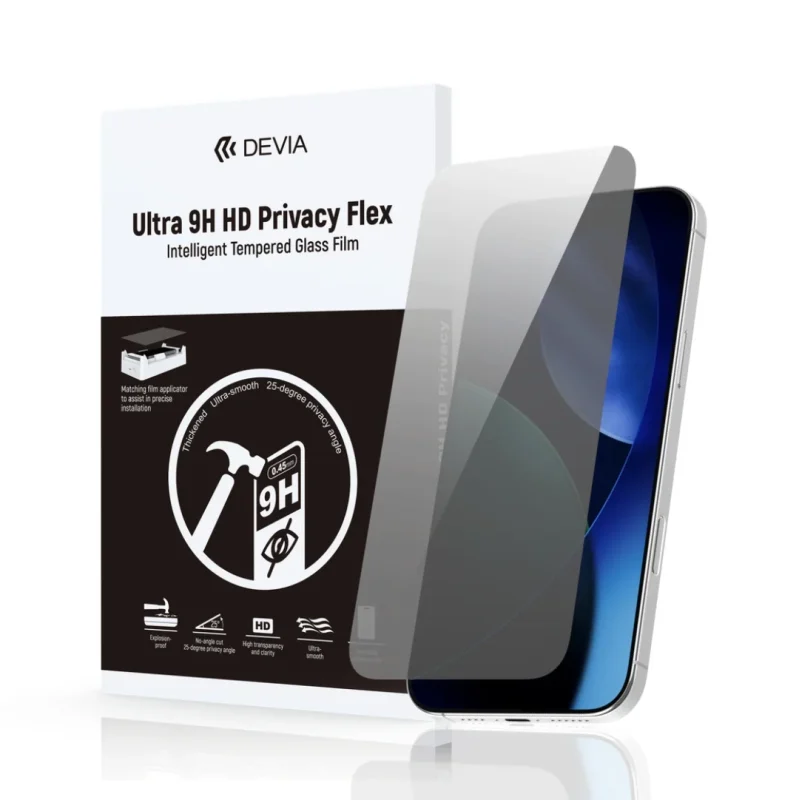
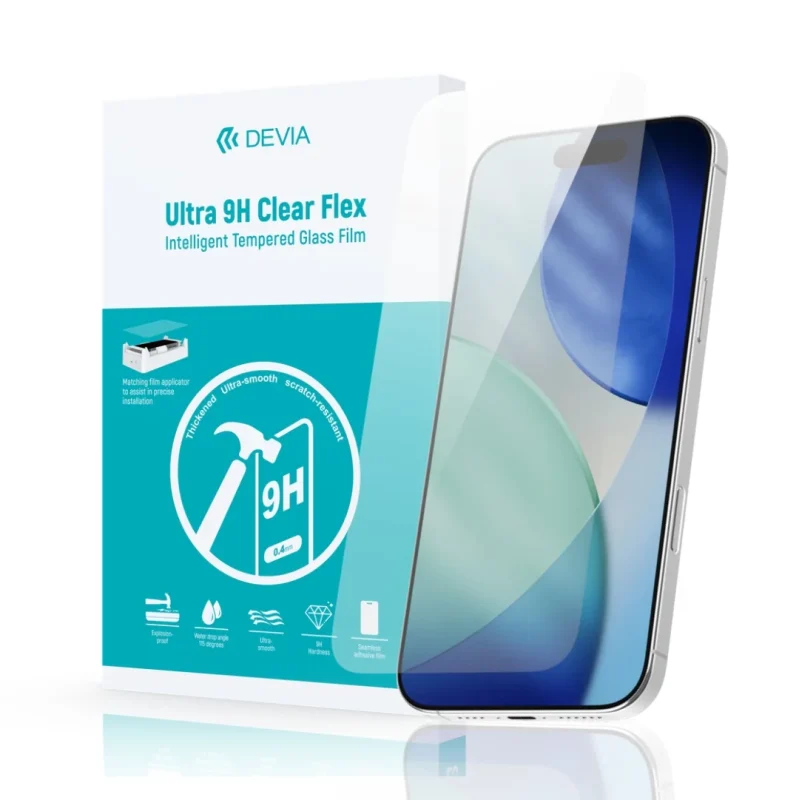
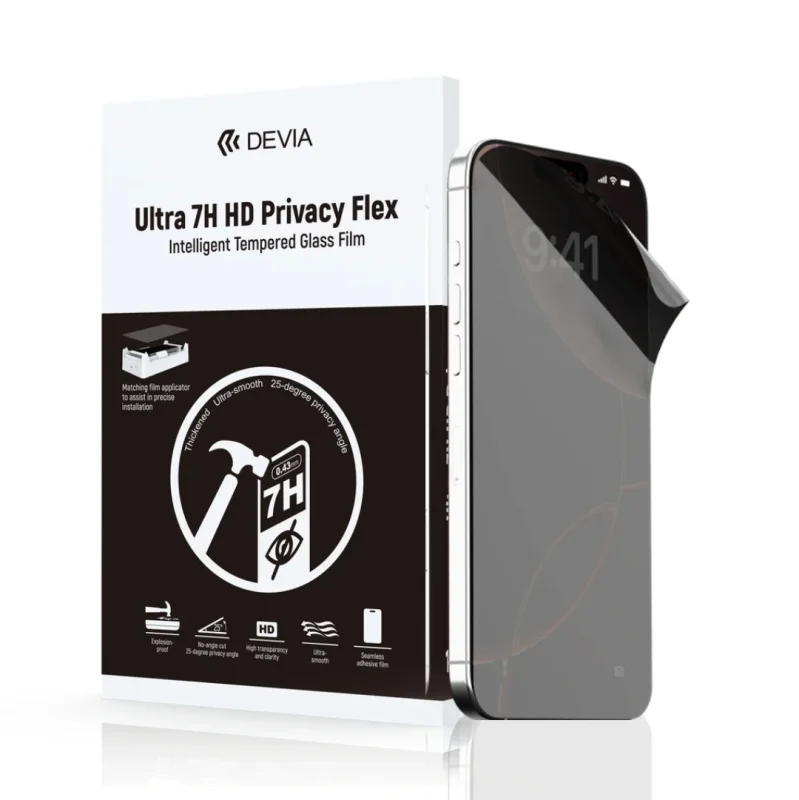
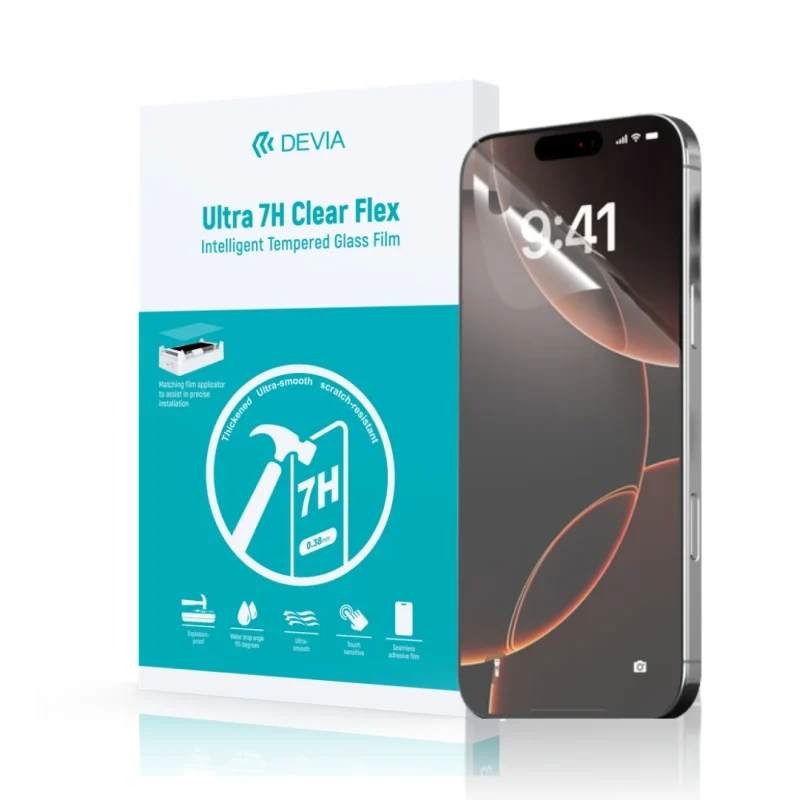
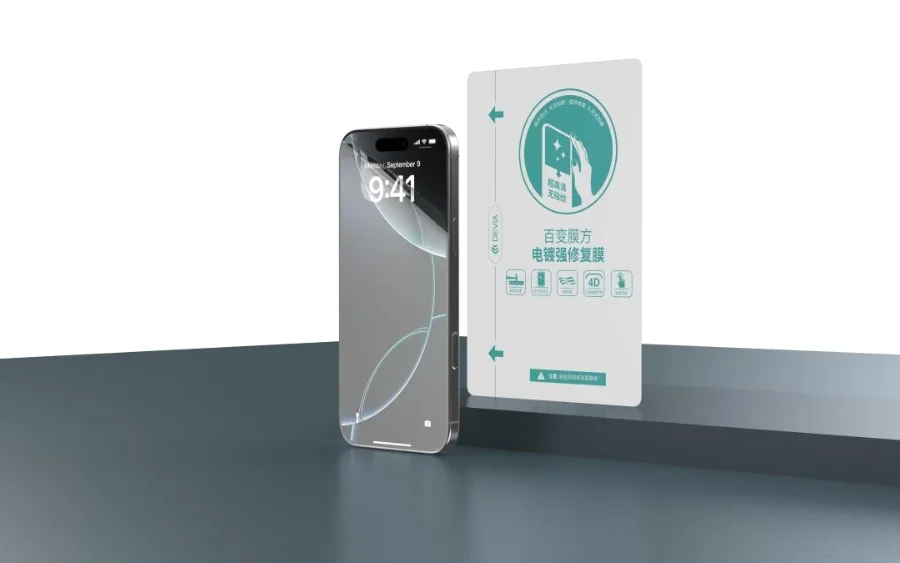
If you’re using a curved screen phone and want a screen protector that looks like you’re not wearing one, the DEVIAUltraEPU high-performance screen protector is worth a try!
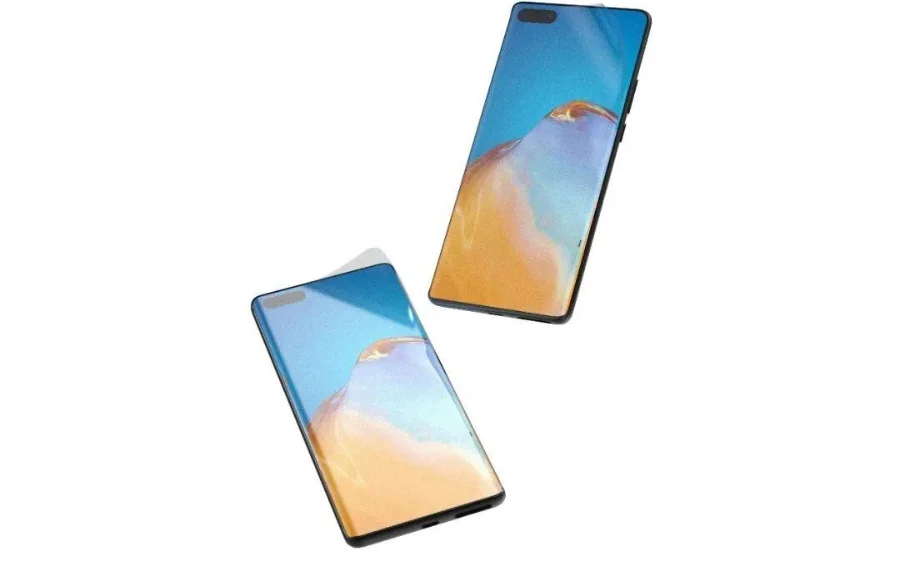
Ultra Versatile Film Formula: Five Core Selling Points, Designed Specifically for Curved Screens
DEVIA’s Ultra Versatile Electroplated Strong Repair Film maximizes the technological potential of EPU materials. Five key selling points, let’s look at them one by one:
1. Flexible glass film feel
The perfect fit of the soft film combined with the smooth feel of a glass screen protector. This is the most surprising aspect of the Ultra EPU. Ordinary soft films feel “gritty,” but the Ultra’s surface has an electroplated hardened coating, making it as smooth as tempered glass when gliding over your fingers. It’s only a few inches thick.
At 0.18mm, it lacks the harsh feeling of being “separated by a layer of glass” that tempered glass screen protectors often have.
2. Nanoscale self-healing
This is its core selling point: minor everyday scratches (like those from keys or table friction) can be left alone without needing to be addressed.
It heals on its own in about 25-40 seconds at room temperature, leaving the skin smooth to the touch. Frequent re-application is unnecessary, and long-term use yields even better results.
It saves money, which is why it’s more worry-free than ordinary hydrogel films and tempered glass screen protectors—scratches on ordinary hydrogel films are difficult to repair, while tempered glass screen protectors…
Chemical films crack easily when scratched, but EPU films can “self-heal minor scratches,” making them extremely practical.
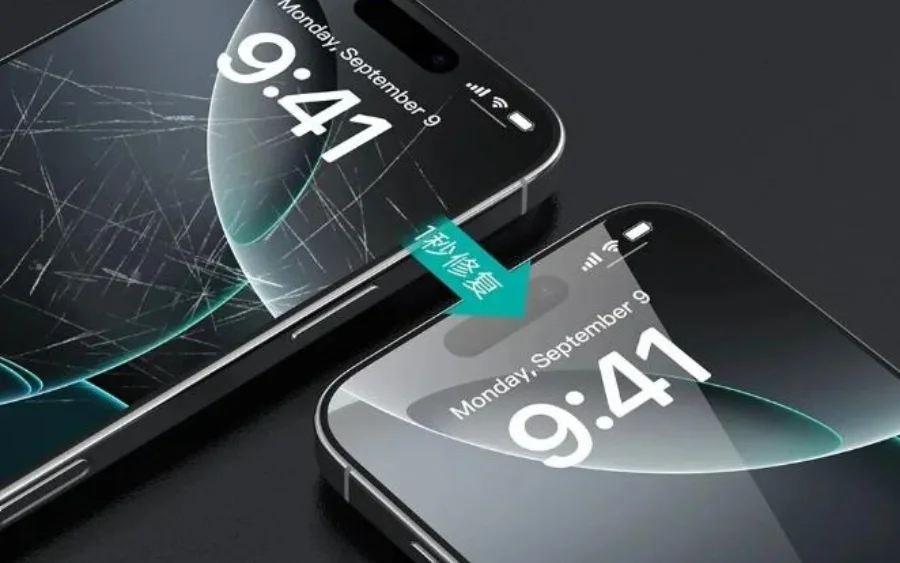
3. Strong protection
EPU material has good flexibility and impact resistance. It absorbs impact through elastic deformation from daily scratches, friction, and minor collisions, then returns to its original shape. Unlike tempered glass screen protectors, it won’t crack at the edges, and unlike ordinary hydrogel screen protectors, it won’t break easily with a scratch.
Sufficient and reassuring protection for daily use.
4. Hydrophobic and oleophobic
The most annoying thing about screen protectors is fingerprints and oil smudges. The Ultra screen protector has a special coating that causes water droplets to swirl and easily wipe off; fingers don’t leave any noticeable marks when they glide across it. After a day of use, the screen is still clean and clear.
5. Good post
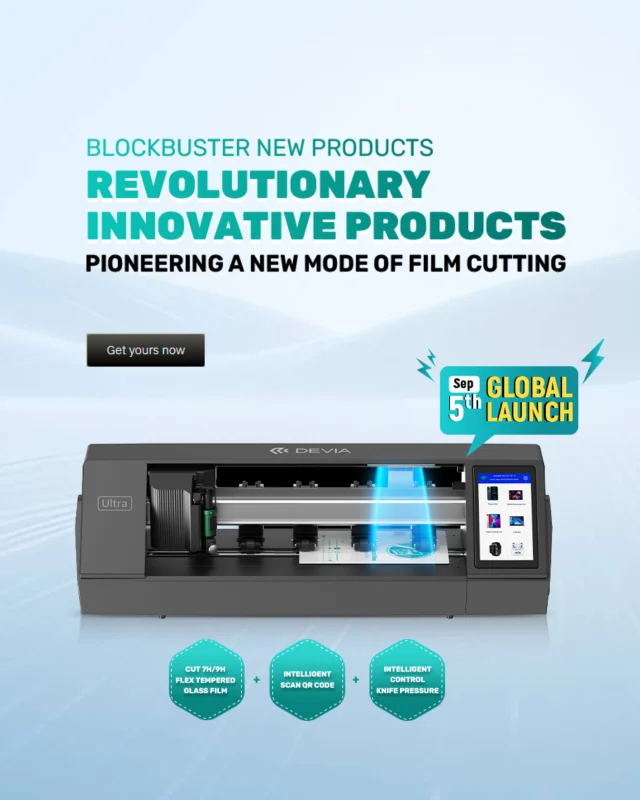
Applying a screen protector is a painful process, as anyone with clumsy hands knows. But with this screen protector applicator (positioning frame), you can align, place, and scrape – air bubbles will automatically escape. Even beginners can get it right the first time, without having to repeatedly peel and reapply.
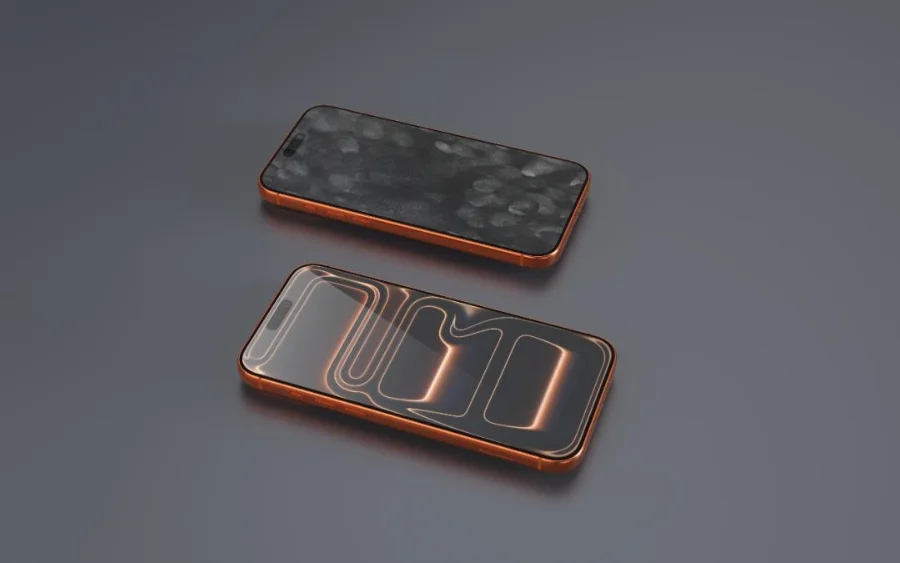
DEVIA was founded in 2007 and has been deeply involved in the industry for 19 years.
With its classic “Tech Fish” logo, the company’s initial goal was to become the preferred brand of 3C accessories trusted by users worldwide. Today, its business covers more than 150 countries and regions around the world, with 8 large-scale factories of its own, and a fully integrated supply chain from raw material supply, self-developed production, quality testing to global channel operation.
This Ultra Versatile Electroplated Repair Film is a product we’ve developed by combining EPU film market trends with user needs.
Our meticulously researched and developed products incorporate five core features: “flexible glass film feel, nano self-healing, strong protection, hydrophobic and oleophobic properties, and easy application.”
By perfecting its core selling points, it not only solves the pain points of users applying screen protectors but also takes into account practicality and user experience.
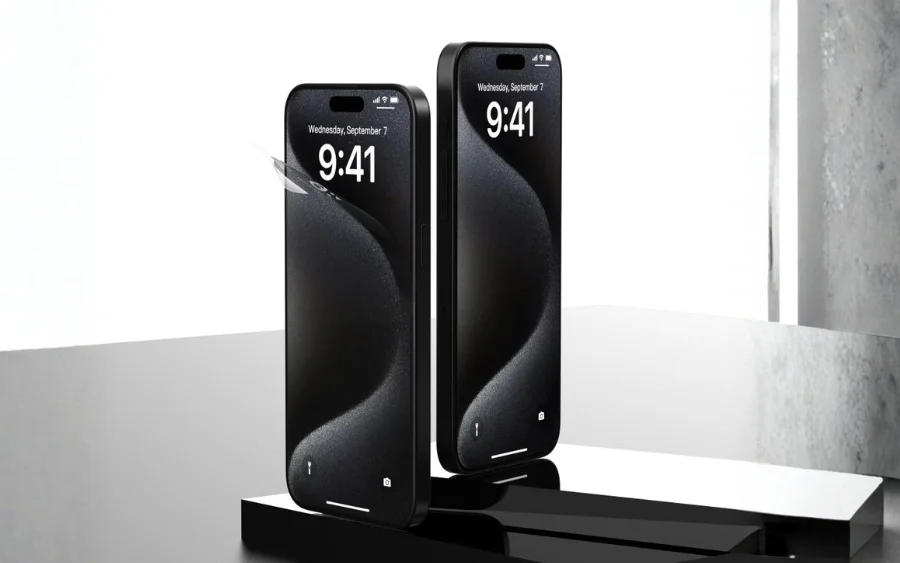
It has a high-end feel, a comfortable fit, is durable, and offers excellent value for money.
If you are using a curved screen, or don’t want to change your screen protector frequently, and are looking for a hassle-free, durable, and comfortable screen protector experience.
DEVIA’s Ultra EPU repairable film is definitely worth a try!
Does your phone have a curved screen or a flat screen? What’s the most annoying thing about screen protectors – the edges peeling up or leaving fingerprints? Let’s chat in the comments!
Related posts
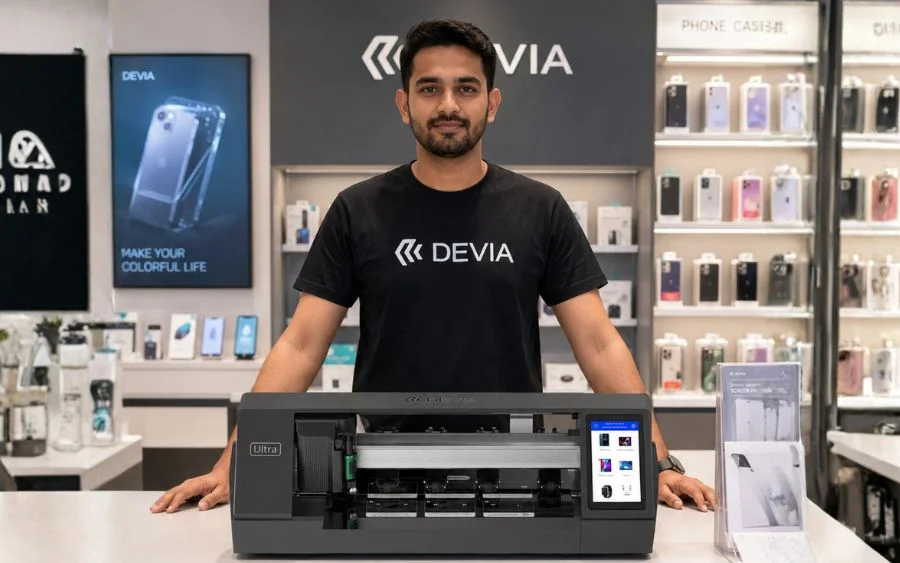
Top 5 Reasons Why Distributors Are Switching to Automated Film Cutting
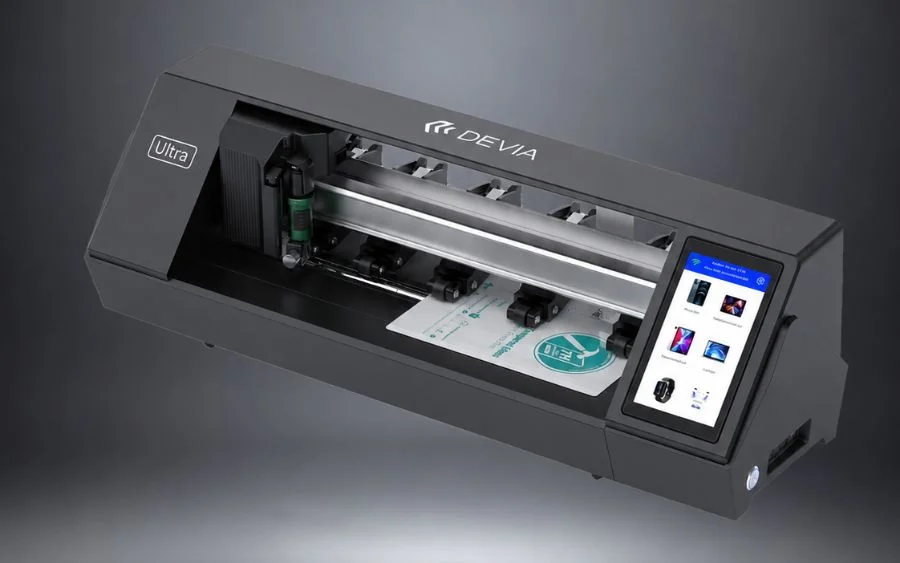
Devia Plotter Ultra Review: Features, Speed, and Business Value
9H Hydrogel Film — Ultra-Resistance Screen Protector
Mobile Accessories Wholesaler — Global B2B
Screen Protection Solutions for Retailers
Hydrogel Film Cutting Plotter — B2B Distributor
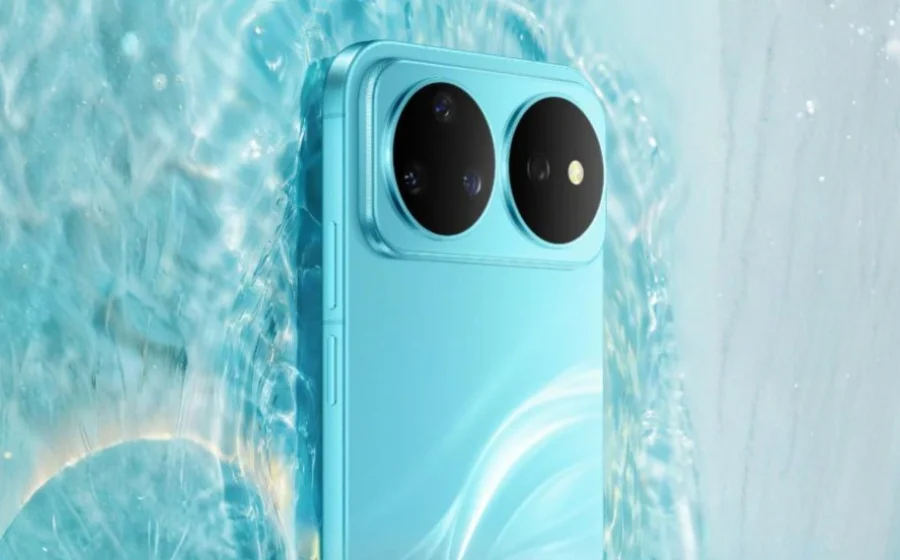
Huawei officially launched the nova 16 series in Chengdu. This is a milestone product for the tenth anniversary of the nova series, covering three models: nova 16
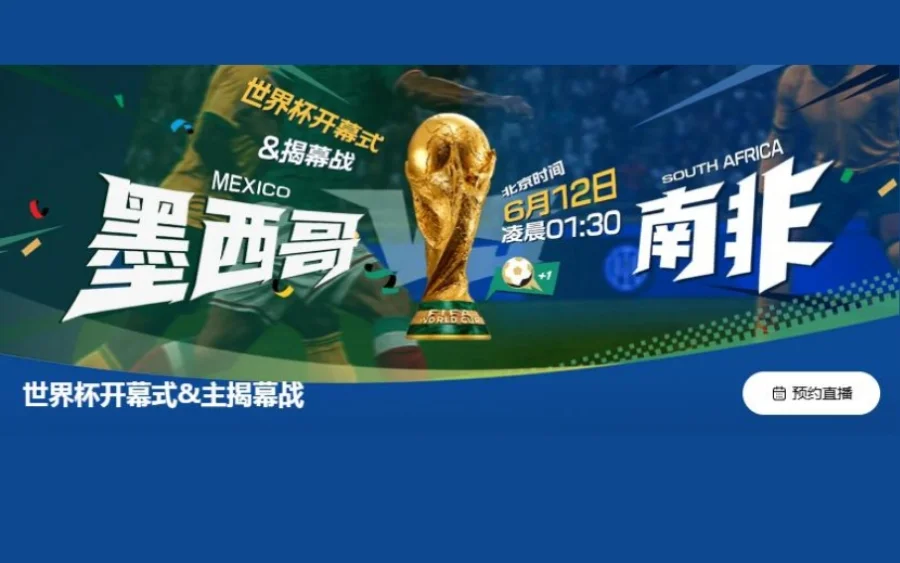
The 2026 FIFA World Cup in the United States, Canada and Mexico officially kicked off on June 12.
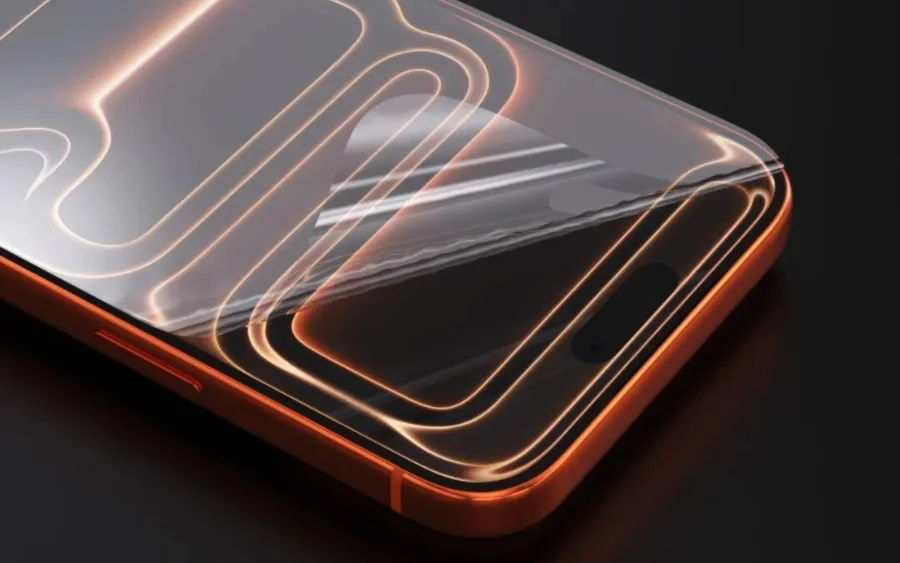
100 real user reviews: The Ultra Repairable Screen Protector solved my screen protector anxiety.
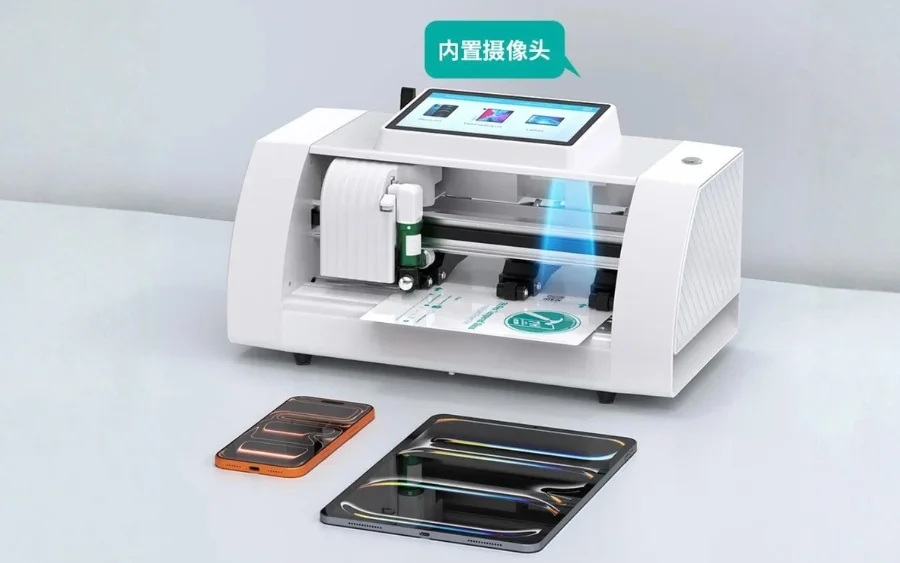
DEVIA Versatile Film Cutting Machine: Titanium-plated blade tip + automatic blade pressure, redefining in-store film cutting.
What is the teardrop angle? Is a higher angle always better? A detailed explanation of the hydrophobic and oleophobic properties of Ultra membranes.
Popular Science: What is EPU Material? Why is it the Ideal Choice for Screen Protectors?