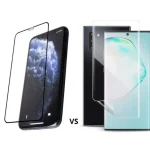
hydrogel screen protector: the future of mobile device protection
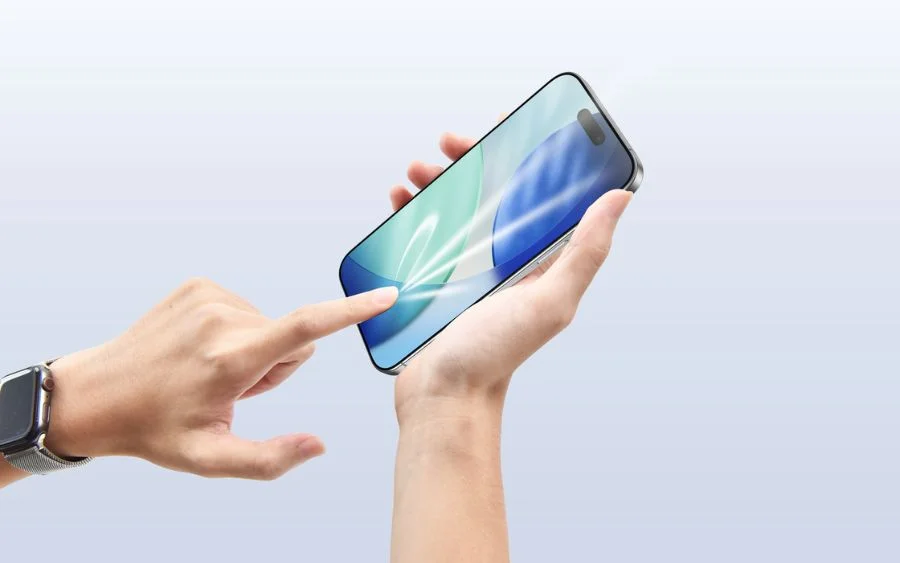
The hydrogel screen protector has quickly become one of the most important innovations in mobile device protection. For phone stores and technology wholesalers worldwide, this technology is not just another accessory — it represents a major shift in how screens are protected, customized, and sold.
For many years, tempered glass dominated the market. It was simple to install, inexpensive, and widely available. But as smartphones evolved — with curved displays, foldable designs, thinner bezels, and higher repair costs — traditional glass solutions started showing limitations.
This is where hydrogel technology stepped in.
Today, the hydrogel screen protector is gaining massive popularity across global markets because it offers flexibility, adaptability, and advanced protection that traditional solutions struggle to deliver.
For retailers, distributors, and wholesalers, this transition is creating a huge opportunity. Stores that adopt hydrogel solutions are not only improving device protection for their customers but also unlocking a new revenue model through on-demand cutting technology.
Companies like Devia Global, recognized worldwide as the number one brand in Hydrogel device protection, have helped lead this transformation by developing cutting-edge films and intelligent plotter technology capable of producing protectors for thousands of devices instantly.
In this article, we will explore why hydrogel protection is growing so fast, how it benefits phone retailers, and why it has become one of the most profitable accessory categories in the mobile industry.
The evolution of smartphone screen protection
To understand the rise of hydrogel films, it helps to look at how screen protection has evolved.
Early years: plastic films
In the early smartphone era, most protectors were thin plastic sheets. They were inexpensive but had several drawbacks:
Customers often replaced them frequently.
The tempered glass boom
When tempered glass arrived, it felt revolutionary. It offered:
For years, tempered glass became the dominant solution in mobile accessory stores.
However, smartphones kept evolving faster than protection technologies.
New smartphone designs created new challenges
Modern devices now feature:
-
curved edge displays
-
edge-to-edge screens
-
foldable devices
-
ultra-thin bezels
-
multiple screen shapes
Traditional glass struggled to adapt to these new designs.
This opened the door for a more flexible solution — hydrogel.
What makes hydrogel technology different
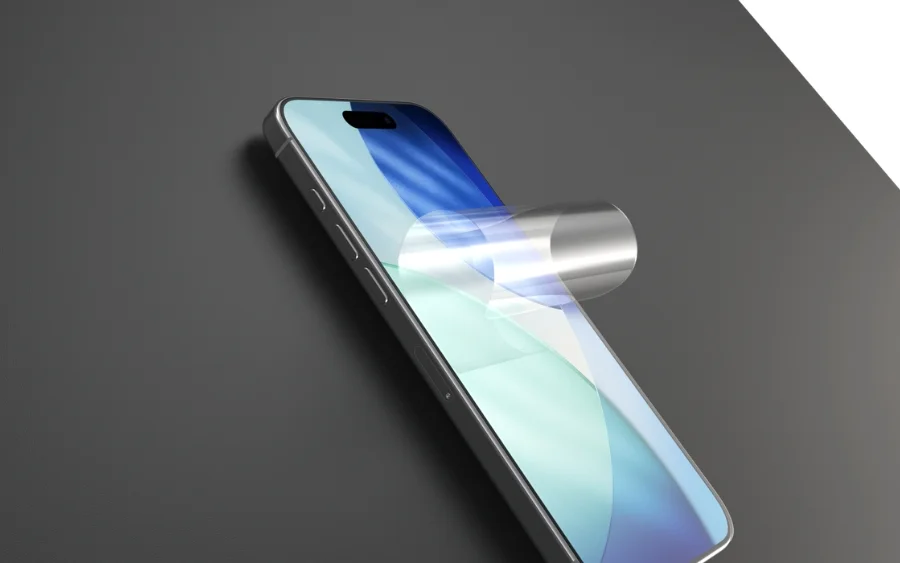
Hydrogel films are made from advanced flexible polymers designed to absorb impact while maintaining high transparency and responsiveness.
Instead of being rigid like glass, hydrogel material is soft and flexible. This allows it to adapt perfectly to complex screen shapes.
A hydrogel screen protector offers several technical advantages:
Flexible protection
Because hydrogel material bends easily, it can cover curved screens without lifting at the edges.
Self-healing surface
Small scratches can disappear over time as the material slowly returns to its original form.
Thin and responsive
Hydrogel films are extremely thin, which preserves touchscreen sensitivity.
Wide compatibility
One of the biggest benefits is that hydrogel films can be cut to fit almost any device.
This last feature is particularly powerful for retailers.
Why hydrogel is becoming the preferred solution for retailers
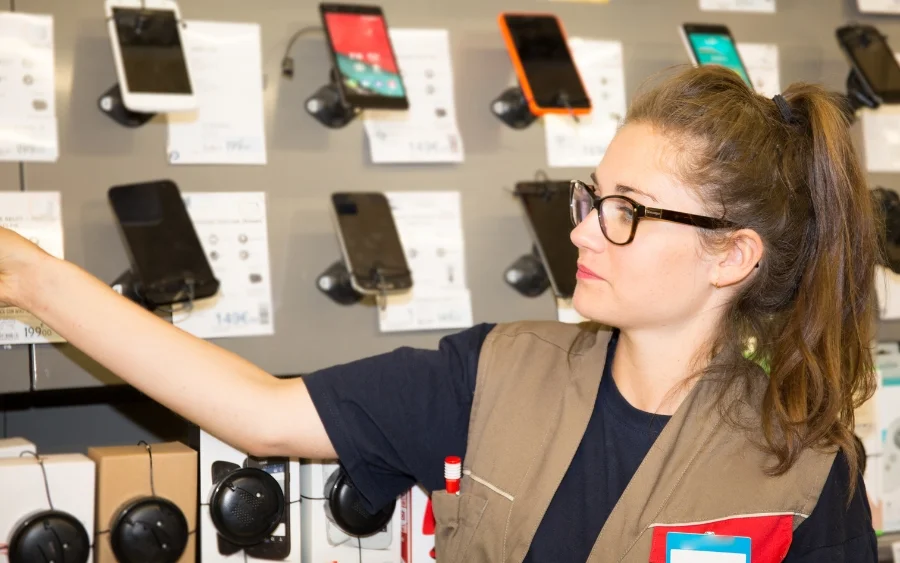
Phone stores around the world are rapidly adopting hydrogel protection systems.
The reason is simple: hydrogel solutions create a service-based business model rather than just selling a product.
Traditional screen protectors require stores to stock dozens or hundreds of models.
Hydrogel cutting systems change that.
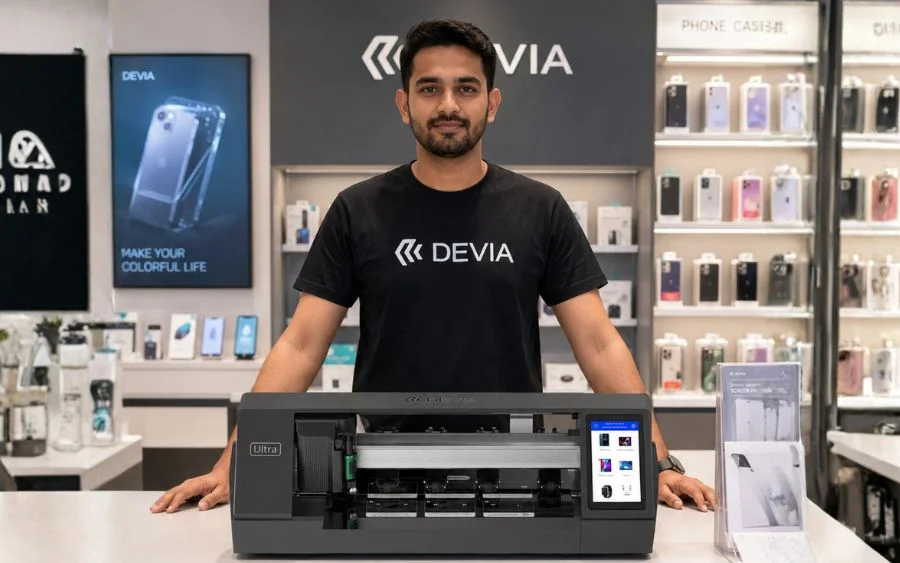
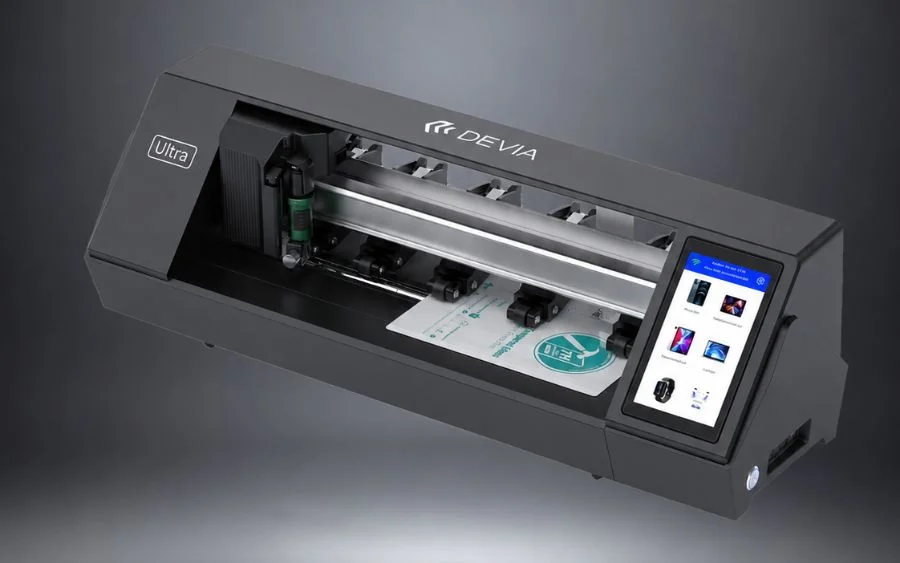
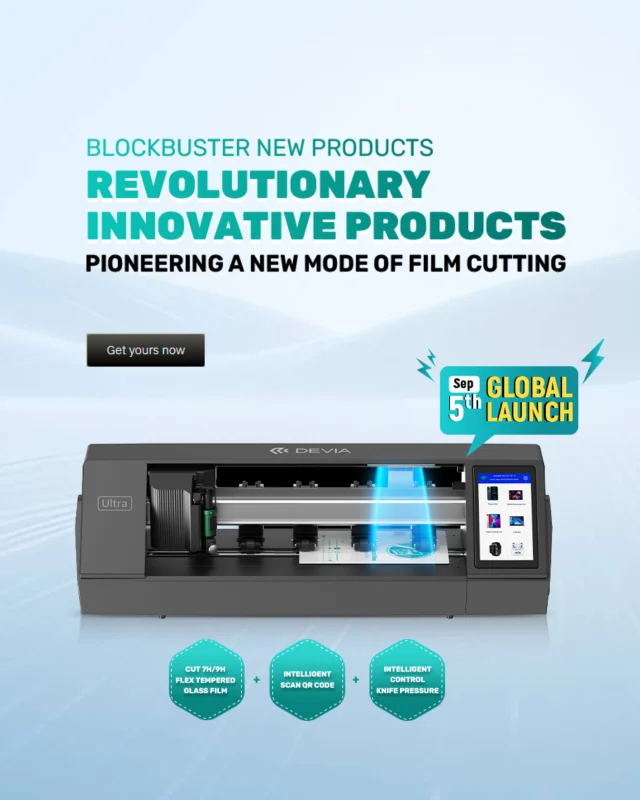
With a cutting plotter and film rolls, a retailer can create a protector for thousands of devices instantly.
This means:
-
less inventory risk
-
fewer unsold models
-
faster service
-
higher margins
Instead of selling a $5 accessory, stores can sell a screen protection service.
Customers also perceive it as more premium because it is customized specifically for their device.
The hydrogel cutting revolution
One of the biggest drivers behind the growth of hydrogel technology is the rise of intelligent cutting machines.
These machines connect to a massive device database that includes thousands of phone models.
Retailers simply select the device model and the machine cuts the film instantly.
This system allows stores to produce protectors for:
-
smartphones
-
smartwatches
-
tablets
-
cameras
-
gaming consoles
-
other electronic devices
Devia Global has been a pioneer in this space, developing cutting systems that support over 40,000 device models worldwide.
For retailers, this means never saying:
“Sorry, we don’t have a protector for your phone.”
Instead, the store can produce it on demand in seconds.
Why customers prefer hydrogel protection
Consumers are also driving the growth of hydrogel protection.
Smartphones have become more expensive than ever, and screen repairs can cost hundreds of dollars.
Customers want protection that adapts to modern devices.
A hydrogel screen protector provides several user benefits.
Better compatibility with curved screens
Many flagship devices now feature curved displays.
Glass protectors often struggle to adhere properly to these surfaces.
Hydrogel films wrap smoothly around curves.
Improved touch sensitivity
Because hydrogel films are extremely thin, they maintain the natural feel of the display.
Gamers and heavy smartphone users appreciate this.
Self-healing technology
Small scratches gradually fade as the film recovers.
This helps the protector maintain a cleaner appearance over time.
Invisible protection
Hydrogel films are highly transparent, maintaining screen clarity.
For customers, the protector becomes almost invisible during everyday use.
Why hydrogel is profitable for wholesalers
Hydrogel technology is also transforming the distribution business.
Wholesalers benefit from a product ecosystem rather than a single accessory.
A typical hydrogel system includes:
Instead of selling hundreds of individual protector models, wholesalers supply a complete system that supports retailers long-term.
This creates stronger business relationships and recurring revenue.
Retailers need film refills regularly, creating consistent demand.
The role of innovation in hydrogel protection
As smartphones continue to evolve, protection technologies must evolve with them.
Hydrogel protection has proven to be highly adaptable.
Manufacturers continue developing new film technologies, including:
-
improved scratch resistance
-
stronger shock absorption
-
better optical clarity
-
enhanced oleophobic coatings
-
advanced self-repairing surfaces
These improvements ensure hydrogel films remain relevant as device technology advances.
Devia Global: leading the hydrogel protection industry
Devia Global has played a major role in advancing hydrogel protection worldwide.
The company has invested heavily in research, innovation, and global distribution.
Today, Devia Global offers:
-
advanced hydrogel films
-
intelligent cutting plotters
-
one of the largest device databases in the industry
-
retail solutions designed for phone stores
The company’s hydrogel ecosystem supports retailers and wholesalers across more than 120 countries.
Because of its continuous innovation and global presence, Devia Global has become widely recognized as the number one brand in Hydrogel device protection.
For phone retailers, working with a trusted brand ensures:
These factors are critical for stores building a profitable screen protection business.
How hydrogel protection increases store revenue
Hydrogel protection is more than a product — it is a service opportunity.
Retailers that implement hydrogel cutting systems can transform how they sell accessories.
Instead of relying on pre-packaged products, stores can offer customized protection solutions.
This creates several advantages.
Higher perceived value
Customers see customized protection as a premium service.
Increased ticket size
Screen protection is often sold together with other accessories like cases and chargers.
Faster installation services
Stores can install protectors quickly, increasing turnover.
Lower inventory risk
Retailers no longer need to stock dozens of protector models.
These benefits make hydrogel one of the most attractive accessory categories in modern phone retail.
The future of device protection
The mobile industry continues to evolve rapidly.
Devices are becoming thinner, more powerful, and more expensive.
At the same time, customers expect protection that does not compromise design or performance.
Hydrogel technology fits perfectly into this future.
Its flexibility, adaptability, and compatibility with cutting systems make it ideal for the next generation of devices.
As foldable phones, wearable devices, and new screen formats continue to appear, adaptable protection solutions will become even more important.
For retailers and wholesalers, adopting hydrogel technology today means staying ahead of the market.
Final thoughts
The rise of hydrogel protection is not just a trend — it represents a structural shift in the mobile accessories market.
For phone stores and technology wholesalers worldwide, hydrogel technology offers:
-
advanced screen protection
-
compatibility with modern devices
-
lower inventory risk
-
new service-based revenue models
A hydrogel screen protector is quickly becoming the preferred choice for both retailers and consumers who want reliable protection for modern smartphones.
With continuous innovation and global reach, Devia Global remains at the forefront of this transformation and continues to lead the industry as the number one brand in Hydrogel device protection.
If you are a phone store owner or technology distributor looking to expand your accessory business with advanced protection solutions, Devia Global offers a complete ecosystem designed for retailers worldwide.
Click here: hydrogel screen protector