

Become a Devia Dealer
Answer Capsule: To Become a Dealer with Devia Global, you need a clear market, a B2B or retail sales channel, and the ability to distribute mobile accessories such as screen protectors, hydrogel films, EPU films, cutting plotters, phone cases, chargers, cables, audio products, power banks, and car phone holders.
Global smartphone shipments reached approximately 1.24 billion units in 2024, which keeps mobile accessories in constant demand across retail, wholesale, and distribution channels (IDC, 2025). For wholesalers, importers, and distributors, the opportunity is not only to sell more products. The real opportunity is to build a scalable category business around a brand that supports recurring retail demand.
If you want to Become a Dealer, you should think beyond a simple product catalog. A dealer model works best when it combines product quality, retail education, category strategy, repeat supply, and local market development.
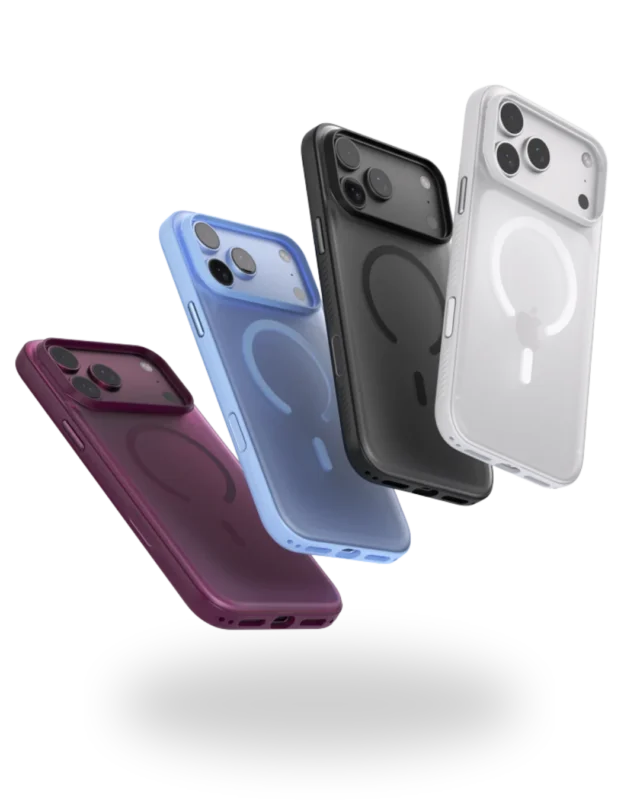
Devia Global is positioned for partners that want to grow in mobile accessories with a complete ecosystem. That includes screen protection, charging products, cables, cases, power solutions, audio products, and retail-focused solutions for technology stores.
Why Should You Become a Dealer in the Mobile Accessories Market?
To Become a Dealer in mobile accessories is to enter a market connected to daily device use. The GSMA reported more than 5.8 billion unique mobile subscribers worldwide in 2024, showing how large the base of potential accessory buyers is (GSMA, 2024).
Every smartphone user needs some type of accessory. Some need screen protection. Others need a charger, cable, case, power bank, car holder, or audio product.
The category also benefits from frequent replacement. A phone may last years, but a cable can break, a screen protector can wear out, and a case can be replaced for style or protection.
For wholesalers, this creates repeat purchase potential. For retailers, it creates daily sales opportunities at the counter.
Core Reasons This Market Works
- Smartphones are used every day.
- Accessories have frequent replacement cycles.
- Retailers can bundle multiple products together.
- Screen protection can become a service, not only a product.
- Distributors can serve many types of stores.
- Importers can build recurring product lines.
- Dealers can grow with both B2B and retail demand.
What Does It Mean to Become a Dealer with Devia Global?
To Become a Dealer with Devia Global means representing a mobile accessories ecosystem in your market. It means working with products that can serve wholesalers, retailers, repair shops, phone stores, electronics chains, and technology distributors.
The global mobile accessories market continues expanding as consumers buy more cases, chargers, screen protectors, power banks, and connected device products (Grand View Research, 2024). This creates room for dealers that can offer a structured product mix instead of random inventory.
A dealer is not only a reseller. A strong dealer develops demand, educates retailers, organizes product categories, and builds long-term relationships with local buyers.
Devia Global can support this opportunity by offering a broad portfolio aligned with mobile retail needs.
Dealer Responsibilities
- Understand the local mobile accessories market.
- Select product categories with strong sales potential.
- Build relationships with retailers and wholesalers.
- Educate stores on product benefits.
- Support repeat orders and replenishment.
- Promote Devia Global as a trusted mobile accessories brand.
- Grow the channel with consistency over time.
Who Is the Best Fit to Become a Dealer?
The best candidates to Become a Dealer are businesses that already understand distribution, wholesale, retail, or technology products. B2B buyers increasingly expect suppliers to provide clear product information, consistent service, and reliable support across digital and physical channels (McKinsey, 2024).
This means a strong dealer should have sales structure and market access. It does not always need to be a large company, but it should have a serious plan.
A mobile accessories dealer can operate through different channels. Some sell to phone stores. Others sell to supermarket chains, repair shops, telecom stores, e-commerce sellers, or regional distributors.
The key is market reach. A dealer must be able to place the products in front of the right buyers.
| Business Type | Why It Fits | Best Product Focus |
|---|---|---|
| Wholesaler | Already sells volume to retail stores | Chargers, cables, screen protectors, cases |
| Importer | Can bring products into a national market | Complete mobile accessory portfolio |
| Distributor | Can develop regional sales channels | Retail kits, cutting plotters, film materials |
| Retail Chain | Can implement products across multiple stores | Screen protection, cases, power products |
| Repair Store Network | Already serves device users | Films, screen protection, tools, chargers |
| Technology Store | Needs profitable add-on categories | Cases, cables, audio, power banks |
What Products Can You Sell as a Devia Dealer?
When you Become a Dealer, your product strategy should begin with categories that solve daily problems. Apple reported more than $200 billion in iPhone revenue in fiscal year 2024, confirming the scale of premium devices that need protection, charging, and accessory support (Apple Annual Report, 2024).
Customers want to protect their phones, charge them faster, keep them connected, and use them comfortably in cars, offices, stores, and travel situations.
For B2B dealers, the best product mix usually combines high-volume items and higher-margin categories. This makes the business more stable.
Core Product Categories
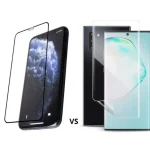
- Hydrogel screen protection films
- EPU films and premium screen protectors
- Cutting plotters for on-demand film production
- Phone cases and protection accessories
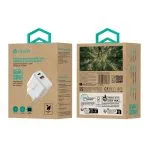
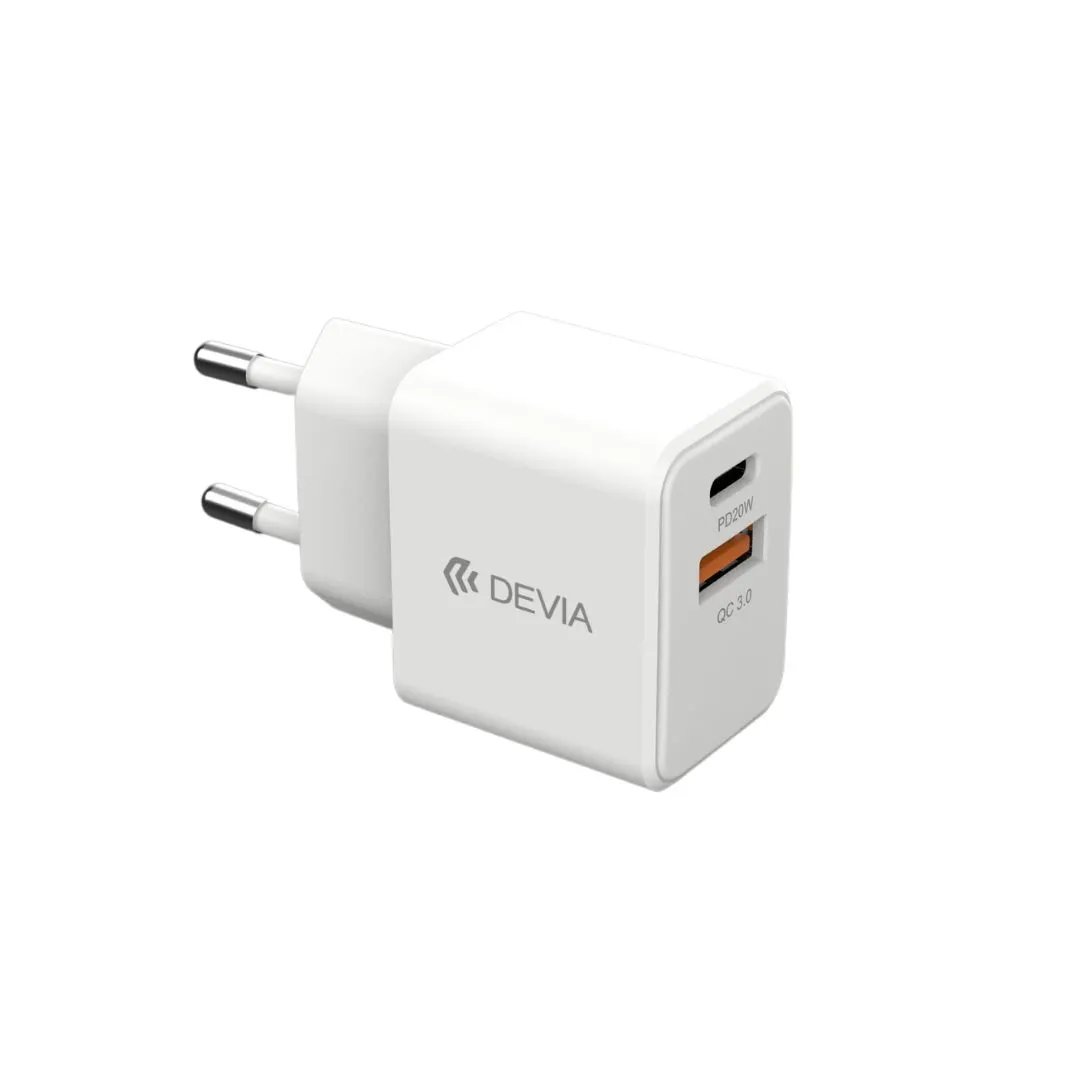
- Fast chargers and wall chargers
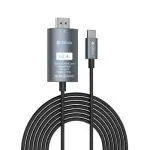
- Charging cables for different devices
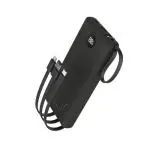
- Power banks for daily and travel use
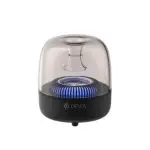
- Audio accessories and earbuds
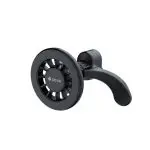
- Car phone holders and vehicle accessories
- Retail display and installation tools
Screen protection can be especially strategic because it allows dealers to offer a full retail solution, not just a product box.
Why Is Screen Protection Important for a Devia Dealer?
Screen protection matters because it is one of the easiest mobile accessory categories to sell. Customers understand the risk of scratches, cracks, and daily wear.
Retailers continue looking for categories that can improve margins and increase average ticket value, especially in competitive retail environments (NRF, 2024). Screen protection fits this need because it can be sold as a product and as a service.
A store can sell a film, install it, bundle it with a case, and recommend future replacement. This creates more value than a basic shelf item.
For dealers, screen protection also creates repeat orders through film materials, installation tools, and cutting plotter supply.
Why Dealers Should Prioritize This Category
- It has clear customer demand.
- It works with almost every smartphone sale.
- It can be offered with professional installation.
- It creates recurring replenishment for stores.
- It supports premium products such as EPU film and 9H hydrogel film.
- It gives retailers a reason to choose your supply program.
Devia Global has published additional retail strategy insights on how screen protection boosts store profits.
How Do Cutting Plotters Help Dealers Build Recurring Revenue?
Cutting plotters help dealers create recurring revenue because stores continue buying film material after the initial setup. Android supports thousands of active device models worldwide, which makes it difficult for retailers to stock every pre-cut protector (Statista, 2024).
With a cutting plotter, a retailer can produce screen protectors on demand. This reduces inventory risk and helps the store serve new, old, and less common models.
For a dealer, this business model is powerful. The first sale may include the machine, starter materials, and installation tools.
The following sales come from film replenishment, training, technical support, and product upgrades.
Recurring Revenue Model
- Initial sale: cutting plotter and starter kit
- Recurring sale: hydrogel and EPU film materials
- Support sale: tools, blades, cleaning kits, and installation products
- Growth sale: additional machines for new retail locations
- Education sale: staff training and retail implementation support
This model helps dealers move from one-time wholesale orders to long-term retail relationships.
Dealer vs Distributor vs Wholesaler vs Importer: What Is the Difference?
If you want to Become a Dealer, it helps to understand how each B2B role works. Global supply chains remain complex, and clear channel definitions help companies reduce confusion and improve planning (KPMG, 2024).
A dealer often sells and represents a brand in a market or channel. A distributor develops regional access. A wholesaler sells volume. An importer brings products into a country.
Some companies perform more than one role. For example, an importer can also become a dealer and distributor.
| Role | Main Function | Best Fit | Key Opportunity |
|---|---|---|---|
| Dealer | Represents and sells a brand or product line | Businesses with local buyers and sales capacity | Builds brand presence and repeat orders |
| Distributor | Develops a sales region or channel | Companies with retailer networks | Scales product reach across markets |
| Wholesaler | Sells products in bulk | Volume-focused B2B sellers | Moves high-demand products fast |
| Importer | Handles country-level importation | Companies with logistics and compliance capacity | Opens national market opportunities |
The strongest partners usually combine more than one capability. They can import, distribute, and support retailers at the same time.
How Can You Become a Dealer and Build a Strong Product Strategy?
To Become a Dealer successfully, you need a product strategy before you place your first major order. Consumer electronics buyers continue to compare quality, price, convenience, and customer experience before purchasing accessories (Consumer Technology Association, 2024).
This means retailers need products that are easy to sell and easy to explain. Your role as a dealer is to make that easier for them.
Start with categories that have frequent demand. Then add premium solutions that improve margins.
Recommended Starter Strategy
- Start with screen protection, cases, chargers, and cables.
- Add power banks and car holders for broader daily-use coverage.
- Introduce hydrogel films and EPU films as premium protection options.
- Offer cutting plotters to stores with higher screen protection volume.
- Create bundles for retailers, such as protection kits and charging kits.
- Train retailers with simple product explanations and sales scripts.
- Track which categories reorder fastest.
- Scale the product line based on real sell-through data.
This approach helps you avoid random inventory. It also helps retailers understand why they should keep buying from you.
What Support Should a Dealer Expect from a Global Brand?
A serious dealer should look for more than product availability. Supply chain reliability, product consistency, and partner support remain major concerns for B2B buyers worldwide (Deloitte, 2024).
Good support can make the difference between a product that sits in storage and a product that sells repeatedly.
Dealers need product information, category guidance, launch support, and clear communication. Retailers also need simple explanations they can use with customers.
Devia Global can support B2B partners by offering a complete mobile accessories ecosystem that is easier to organize into wholesale and retail programs.
Useful Dealer Support
- Product category guidance
- Sales material and retail education
- Product samples and demo support
- Training for screen protection and installation
- Consistent replenishment planning
- New product updates
- Business development support for retail channels
How Can Dealers Sell More to Retail Stores?
Dealers sell more when they help retailers make money. A store does not only want products. It wants products that move quickly, improve margins, and make customers return.
Accenture reported that consumers respond better to personalized and relevant shopping experiences, especially when recommendations match real needs (Accenture, 2024). Retailers can use this behavior to sell accessory bundles.
A customer buying a phone case may also need screen protection. A customer buying a charger may also need a cable and car holder.
Dealers should give retailers ready-to-use bundle ideas so the store can increase average ticket value.
Bundle Ideas for Retailers
- New phone kit: case, screen protector, charger, cable
- Travel kit: power bank, cable, wall charger, car holder
- Protection kit: hydrogel film, phone case, lens protector
- Premium kit: EPU film, premium case, fast charger
- Daily use kit: cable, charger, earbuds, car holder
These bundles make the retailer’s job easier. They also help the dealer sell more categories at once.
Why Is Brand Trust Important When You Become a Dealer?
Brand trust matters because mobile accessories are directly connected to expensive personal devices. A poor-quality charger, cable, or screen protector can create complaints and damage the retailer’s reputation.
BrightLocal reported that consumers continue to rely on online reviews when evaluating purchase decisions and local businesses (BrightLocal, 2024). This shows how quickly customer experience can influence future sales.
For dealers, brand trust helps retailers feel safer when buying. It also gives sales teams a stronger story than price alone.
Devia Global gives dealers a brand-centered approach instead of a generic product-only model.
“The most successful dealer programs are built around repeatable retail value: strong products, clear positioning, reliable supply, and a sales story that retailers can explain in seconds.”
Global Mobile Accessories Dealer Strategy Perspective
How Can You Evaluate If Becoming a Devia Dealer Is Right for You?
Before you Become a Dealer, evaluate your channel, customers, logistics, and sales capacity. World Bank trade data continues to show how important cross-border goods movement is for global commerce and wholesale growth (World Bank, 2024).
If you already work with retailers, phone stores, supermarkets, repair shops, or electronics businesses, the opportunity may fit well. If you are entering the category for the first time, you should begin with a focused starter line.
The best candidates are not only buyers. They are market builders.
Dealer Readiness Checklist
- You understand your local mobile accessories market
- You have access to retail or wholesale buyers
- You can manage product replenishment
- You can present product benefits clearly
- You can support stores after the first sale
- You want to grow with a branded product ecosystem
- You are ready to build repeat demand, not only one-time sales
What Is the Practical Process to Become a Dealer?
The practical process starts with a clear business profile. Devia Global needs to understand your market, your sales channels, and the type of customers you serve.
B2B buyers increasingly expect suppliers and partners to provide structured information, clear product education, and efficient communication during the purchase journey (McKinsey, 2024). A dealer application should be just as clear.
Prepare information about your company, your country, your current product categories, your customer base, and your distribution capacity.
Suggested Process
- Define your country or region of operation.
- Identify your target channel: wholesale, retail, importer, or distributor.
- Select the product categories you want to start with.
- Contact Devia Global with your business profile.
- Review product opportunities and market fit.
- Build a starter order or product plan.
- Launch with selected retailers or wholesale buyers.
- Track sales, reorder behavior, and best-performing products.
- Expand the product mix after validating demand.
This process helps both sides build a stronger partnership from the start.
FAQ: What Do Buyers Ask Before They Become a Devia Dealer?
How can I become a Devia dealer?
To become a Devia dealer, you should start by defining your market, sales channel, product categories, and target customers. Devia Global works with wholesalers, distributors, importers, retailers, and technology stores that want to grow with mobile accessories, screen protection, charging products, cables, power banks, audio products, and retail solutions. A strong dealer candidate should have sales capacity, local market knowledge, and a plan to develop retail demand.
What type of businesses can become a Devia dealer?
Businesses that can become a Devia dealer include wholesalers, importers, regional distributors, mobile accessory stores, electronics retailers, repair store networks, supermarket chains, telecom retailers, and B2B technology suppliers. The ideal partner already serves customers who buy smartphone accessories or wants to enter the mobile accessories category with a complete product ecosystem supported by an international brand.
What products can a Devia dealer sell?
A Devia dealer can sell several mobile accessory categories, including screen protectors, hydrogel films, EPU films, cutting plotters, phone cases, chargers, cables, power banks, audio accessories, car phone holders, and retail support products. The best product mix depends on the local market, but screen protection, charging products, and phone cases are often strong starting categories because they connect to frequent consumer needs.
Why should wholesalers become a Devia dealer instead of buying generic accessories?
Wholesalers should become a Devia dealer because branded product ecosystems can offer more trust, better product organization, stronger retail positioning, and clearer long-term growth than generic accessories. Generic products may compete only on price, while a dealer model can combine product quality, category strategy, visual identity, recurring replenishment, and business support. This helps wholesalers sell value, not only volume.
Is becoming a Devia dealer a good opportunity for importers?
Becoming a Devia dealer can be a strong opportunity for importers because mobile accessories remain connected to daily smartphone use, device replacement, and recurring consumer demand. Importers can build a portfolio around screen protection, chargers, cables, power banks, phone cases, and cutting plotter systems. The opportunity becomes stronger when the importer has local sales channels and a plan to educate retailers.
Read Also
Final Recommendation: Should You Become a Dealer?
If you already serve retailers, wholesalers, importers, or technology stores, this may be the right time to Become a Dealer with a stronger mobile accessories ecosystem. The opportunity is not only about selling phone accessories. It is about helping stores grow with products that customers need every day.
Devia Global offers a path for partners that want to build long-term value through screen protection, hydrogel films, EPU films, cutting plotters, chargers, cables, cases, power banks, audio products, and retail-focused accessories.
To explore dealer opportunities, product categories, and global B2B partnerships, visit Devia Global mobile accessories dealer opportunities.