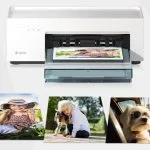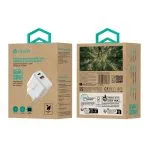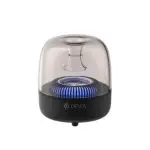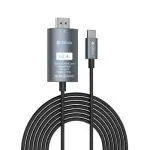


OEM ODM Mobile Accessories
Answer Capsule: OEM ODM Mobile Accessories help wholesalers, distributors, importers and retail brands create custom or semi-custom mobile accessory products such as screen protectors, chargers, cables, cases, power banks, audio products and car accessories, with better control over branding, packaging, positioning and wholesale growth.
Global smartphone shipments reached approximately 1.24 billion units in 2024, which keeps mobile accessories in constant demand across wholesale and retail channels (IDC, 2025). For B2B buyers, that demand creates an opportunity to move beyond generic products and build a more differentiated product line.
OEM ODM Mobile Accessories are especially useful when you want more control over how your products look, feel, perform and sell. Instead of buying the same accessory catalog as every competitor, you can develop products that fit your market, price level and customer expectations.
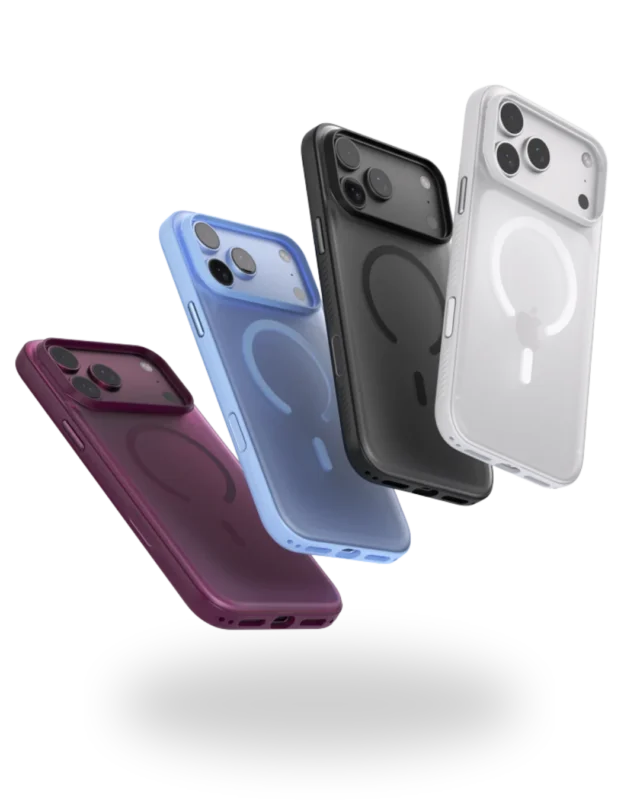
Devia Global works in the mobile accessories ecosystem with solutions for screen protection, hydrogel films, EPU films, cutting plotters, phone cases, chargers, cables, audio products, power banks and retail accessory programs.

OEM ODM Mobile Accessories
What Are OEM ODM Mobile Accessories?
OEM ODM Mobile Accessories are products created through manufacturing and product development models used by brands, wholesalers, distributors and importers. OEM usually means Original Equipment Manufacturer, while ODM usually means Original Design Manufacturer.
The global mobile accessories market continues to grow because smartphones remain central to communication, payments, entertainment and work (Grand View Research, 2024). That growth creates space for businesses that want to build stronger product lines with custom positioning.
In simple terms, OEM gives the buyer more control over product specifications. ODM gives the buyer a faster path by adapting an existing product design.
Both models can work well, but they serve different business goals.
Common OEM ODM Product Categories
- Screen protectors and hydrogel films
- EPU films and premium screen protection
- Phone cases and protective covers
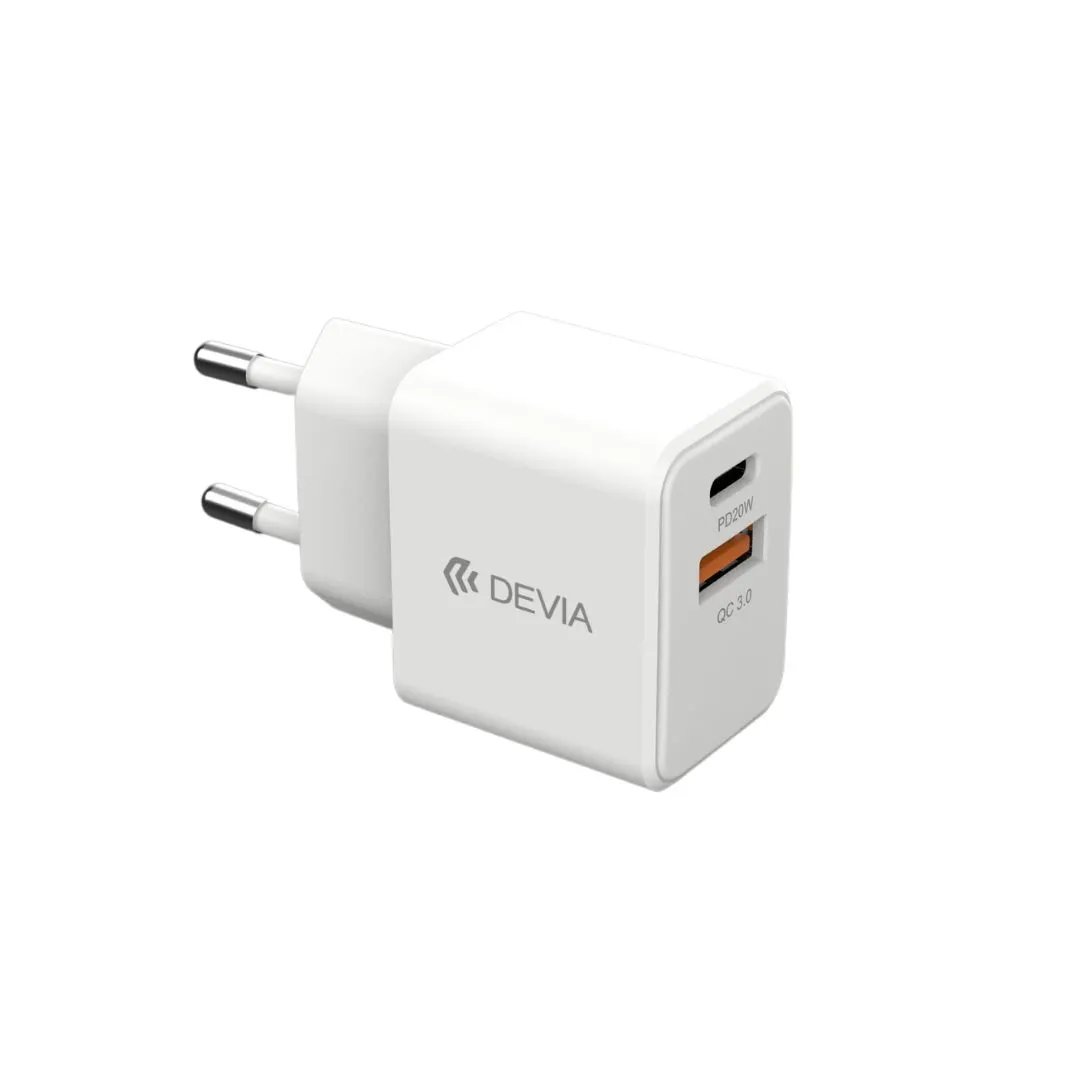
- Fast chargers and wall chargers
- USB-C, Lightning and multi-device cables
- Power banks and portable charging solutions
- Audio accessories and earbuds
- Car phone holders and vehicle accessories
- Retail display kits and packaging solutions
- Cutting plotter-related film materials
Why Do Wholesalers Choose OEM ODM Mobile Accessories?
Wholesalers choose OEM ODM Mobile Accessories because they want better differentiation, stronger margins and more control over their catalog. The GSMA reported more than 5.8 billion unique mobile subscribers worldwide in 2024, which shows how large the potential accessory customer base remains (GSMA, 2024).
Generic accessories can sell, but they often create price competition. If every seller has the same product, the buyer usually chooses the lowest price.
OEM and ODM help wholesalers build a stronger story. They can sell a product line with their own packaging, product positioning, feature selection and market focus.
This is especially useful for wholesale buyers that supply retail chains, phone stores, repair shops, supermarkets and e-commerce sellers.
Why This Model Helps Wholesale Growth
- It reduces direct price comparison.
- It improves brand recognition.
- It helps create exclusive product lines.
- It supports better packaging and retail presentation.
- It gives more control over features and materials.
- It makes repeat orders easier to structure.
- It helps wholesalers look more professional to retailers.
What Is the Difference Between OEM, ODM, Private Label and Generic Accessories?
Many buyers use OEM, ODM, private label and generic accessories as if they mean the same thing. They do not. Understanding the difference helps you choose the right sourcing model.
B2B buyers increasingly expect clear product information and supplier transparency before making purchase decisions (McKinsey, 2024). This matters because the wrong sourcing model can create delays, low margins or weak product differentiation.
OEM is best when you need more technical control. ODM is best when you want a faster launch using an existing product base.
| Model | What It Means | Best For | Main Advantage | Main Challenge |
|---|---|---|---|---|
| OEM | Product made based on buyer specifications | Brands with clear requirements | High customization control | Longer development time |
| ODM | Supplier design adapted for buyer | Wholesalers needing faster launch | Quicker market entry | Less full customization |
| Private Label | Existing product sold under buyer brand | Retail and e-commerce brands | Simple branding opportunity | May be easy to copy |
| Generic | No strong brand or custom positioning | Price-driven sales | Fast and simple purchasing | Low differentiation |
The best choice depends on your market stage. If you are testing demand, ODM or private label may be faster. If you are building a long-term product line, OEM may be more strategic.
When Should You Choose OEM Mobile Accessories?
You should choose OEM mobile accessories when you already know exactly what your market needs. This may include specific packaging, product dimensions, cable length, charging specifications, material quality, color, retail presentation or durability level.
Consumer electronics buyers keep comparing quality, convenience and product experience, especially in categories such as charging, protection and daily-use accessories (Consumer Technology Association, 2024). OEM helps you control those details more directly.
OEM is useful for established wholesalers, importers and retail brands that want to own the product experience. It is also useful when you need a product to meet specific channel requirements.
For example, a retail chain may want custom packaging, barcode rules, color codes, display formats and product claims aligned with its own market.
OEM Is a Good Fit When You Need:
- Custom technical specifications
- Specific packaging design
- Product exclusivity
- Retail chain compatibility
- Long-term product line development
- Clear brand positioning
- More control over customer experience
When Should You Choose ODM Mobile Accessories?
You should choose ODM mobile accessories when you want to launch faster with lower development complexity. ODM allows you to use an existing product design and adapt branding, packaging or selected details.
Retailers are under pressure to respond faster to product trends and changing consumer demand (Deloitte, 2024). ODM can help wholesalers move more quickly when a category is already validated.
For example, if you want to launch chargers, cables, power banks, phone holders or screen protection products quickly, ODM can be practical.
You still need to check quality, packaging and market fit. Fast launch should not mean weak product selection.
ODM Is a Good Fit When You Need:
- Faster time to market
- Lower product development complexity
- Existing designs with proven demand
- Branding and packaging customization
- Starter product lines for wholesale
- Market testing before larger investment
- Quicker category expansion
How Can OEM ODM Mobile Accessories Improve Retail Profit?
OEM ODM Mobile Accessories can improve retail profit because they help retailers sell products that feel more organized, branded and relevant. A product with better packaging and clearer positioning can be easier to explain at the counter.
The National Retail Federation reported that margin protection and operational efficiency remained major retail priorities in 2024 (NRF, 2024). Mobile accessories support both goals when the product mix is designed properly.
Retailers can bundle phone cases with screen protectors. They can sell chargers with cables. They can offer power banks for travel and car holders for drivers.
OEM and ODM allow wholesalers to create product families that help retailers increase average ticket value.
Retail Profit Drivers
- Better packaging increases perceived value.
- Product families make bundling easier.
- Custom branding improves store confidence.
- Clear product claims help employees sell faster.
- Exclusive products reduce direct price comparison.
- Repeatable categories support recurring reorders.
Why Is Screen Protection a Strong OEM ODM Category?
Screen protection is one of the strongest categories for OEM ODM Mobile Accessories because it is practical, repeatable and easy to connect to device ownership. Customers understand the need to protect expensive screens.
Premium smartphones continued to gain relevance in 2024, with many consumers choosing higher-value devices that require better accessory protection (Counterpoint Research, 2024). That makes screen protection easier to position as a necessary add-on.
Wholesalers can build OEM or ODM screen protection lines using hydrogel films, EPU films, privacy films, 9H films and cutting plotter materials.
Retailers can then sell protection as a product and as a service through professional installation.
Screen Protection OEM ODM Options
- Hydrogel film rolls
- EPU premium protection film
- Privacy screen protection film
- 9H hydrogel film
- Camera lens protection
- Tablet and smartwatch protection
- Cutting plotter film materials
- Installation kits and cleaning tools
Devia Global has published more insights on how screen protection can boost store profits.
How Do Cutting Plotters Fit Into OEM ODM Mobile Accessories?
Cutting plotters fit into OEM ODM Mobile Accessories because they turn screen protection into a scalable service model. Instead of stocking hundreds of pre-cut screen protector SKUs, retailers can cut films on demand.
Android supports thousands of active device models across regions, which makes complete pre-cut inventory difficult for many stores (Statista, 2024). A cutting plotter helps reduce that problem.
For wholesalers, this creates a smarter business model. The first sale can include the plotter, software, training and starter film materials.
After that, retailers keep buying film materials and related installation products.
Why Plotters Help B2B Buyers
- They reduce inventory complexity for stores.
- They support many device models.
- They create recurring film material sales.
- They help retailers offer professional installation.
- They make screen protection more visible inside the store.
- They increase loyalty between retailer and wholesaler.
What Should You Customize in OEM ODM Mobile Accessories?
The best customization depends on your market. Some wholesalers need only packaging customization, while others need materials, colors, technical features and retail display systems.
Supply chain reliability and product differentiation remain key concerns for global importers and B2B buyers (KPMG, 2024). Customization should improve business value, not only make the product look different.
Start with the elements that influence sales. Packaging, product claims, compatibility, warranty language and retail display can all affect conversion.
Then decide whether deeper technical customization is necessary.
| Customization Area | Best Use | Business Impact |
|---|---|---|
| Branding | Logo, product line name, visual identity | Improves recognition |
| Packaging | Retail box, labels, instructions | Increases perceived value |
| Materials | Film type, cable coating, case material | Improves quality positioning |
| Technical Specs | Charging speed, cable length, compatibility | Matches market needs |
| Retail Display | Counter displays, hooks, product kits | Helps stores sell faster |
| Product Bundles | Kits for travel, protection or charging | Increases average order value |
How Can Devia Global Support OEM ODM Mobile Accessories?
Devia Global can support OEM ODM Mobile Accessories projects by combining product categories, mobile accessory experience and a retail-oriented view of the market. The company is positioned for wholesalers, distributors, importers and retailers that want scalable product solutions.
Shenzhen remains one of the world’s most important electronics and manufacturing hubs, supporting global product development and consumer electronics supply chains (World Economic Forum, 2024). This context matters for buyers that need speed and category variety.
Devia Global’s ecosystem includes screen protection, hydrogel films, EPU films, cutting plotters, phone cases, chargers, cables, power banks, audio accessories and vehicle-related mobile accessories.
For B2B buyers, the value is not only access to products. It is the ability to structure a catalog around categories that retailers can understand and sell.
“The best OEM and ODM programs are not built around random customization. They are built around market fit, repeat demand, product reliability and a clear retail story.”
Global Mobile Accessories Product Strategy Perspective
What Is the OEM ODM Development Process?
The development process should be structured before you place a large order. Many wholesale problems happen because buyers rush into production without validating market fit, product specs or packaging requirements.
B2B buyers increasingly expect suppliers to provide clarity across product information, ordering, support and fulfillment (McKinsey, 2024). The same clarity should guide OEM and ODM projects.
The process should begin with your target customer. Then you choose the category, design, packaging, technical requirements and launch channel.
Recommended Process
- Define your market and target channel.
- Choose the product category you want to develop.
- Decide whether OEM, ODM or private label fits best.
- Review samples and compare quality levels.
- Confirm branding, packaging and technical requirements.
- Test the product with selected retailers or buyers.
- Adjust packaging or positioning based on feedback.
- Place the production order.
- Launch with sales materials and product education.
- Track sell-through and reorder performance.
This process helps reduce risk. It also makes it easier to scale successful products instead of guessing.
How Should Wholesalers Choose the Right Product Categories?
Wholesalers should choose categories based on daily demand, reorder potential, margin and retail explanation. A product that needs too much explanation may fail if stores do not receive training.
Accenture reported that consumers respond better to relevant recommendations and personalized purchase experiences (Accenture, 2024). This means retailers need products they can connect to real customer needs.
Start with categories that solve obvious problems. Then add premium products that create differentiation.
Strong Starter Categories
- Screen protection for phones, tablets and smartwatches
- Phone cases for popular device models
- Fast chargers for daily replacement demand
- Charging cables with strong durability positioning
- Power banks for travel and daily mobility
- Car phone holders for drivers and delivery workers
- Audio products for work, calls and entertainment
For screen protection materials, Devia Global’s article on what EPU film is and why it is more durable can help explain premium film positioning.
How Can OEM ODM Mobile Accessories Help Build a Brand?
OEM ODM Mobile Accessories help build a brand because they give wholesalers more control over presentation, consistency and customer perception. A strong product line can make your company look more professional to retailers and end customers.
BrightLocal reported that consumers continue to rely heavily on reviews and trust signals when making purchase decisions (BrightLocal, 2024). This also affects mobile accessories because poor quality quickly becomes visible through complaints and returns.
If your product packaging, quality and positioning are consistent, retailers feel safer buying from you. They can also explain the products more clearly to customers.
Brand building starts with small details: packaging, product names, claims, warranty information and visual consistency.
Brand Elements to Control
- Logo placement
- Product naming system
- Packaging color and structure
- Material claims and benefit language
- Instructions and installation guides
- Warranty or support messaging
- Retail display design
What Mistakes Should Buyers Avoid in OEM ODM Projects?
Many buyers make the mistake of choosing only by price. Low cost can look attractive at the beginning, but it can create quality issues, returns, weak packaging and poor retailer confidence.
Retailers continue to focus on product reliability and customer experience because competition is high across physical and online channels (Deloitte, 2024). A weak accessory can damage both the retailer and the wholesaler.
Another common mistake is ordering too many categories at once. A focused launch is usually safer than a large random catalog.
Buyers should also avoid unclear specifications. If requirements are not documented, production results can disappoint.
Common Mistakes
- Choosing only by lowest price
- Skipping sample testing
- Using weak packaging
- Launching too many products at once
- Not defining technical specifications
- Ignoring retailer feedback
- Not preparing sales education materials
- Not planning replenishment from the start
What Is the Best Strategy for OEM ODM Mobile Accessories?
The best strategy is to combine market fit, product quality, brand presentation and repeat demand. OEM and ODM should help you create a stronger business, not just another catalog.
Global trade remains essential for wholesalers and importers that rely on cross-border product sourcing and distribution (World Bank, 2024). This makes supplier selection and product planning even more important.
Start with products that sell frequently. Then customize the elements that improve conversion and margin.
If you work with retailers, give them product education, display ideas and bundle suggestions. This helps them sell faster and reorder more often.
Actionable Wholesale Plan
- Choose one main category to lead your launch.
- Add two supporting categories that bundle well.
- Use ODM for faster testing when speed matters.
- Use OEM when you need technical control or exclusivity.
- Invest in packaging that improves retail value.
- Give retailers simple sales scripts.
- Track reorder behavior after launch.
- Scale the products that sell repeatedly.
FAQ: What Do Buyers Ask About OEM ODM Mobile Accessories?
What are OEM ODM Mobile Accessories?
OEM ODM Mobile Accessories are mobile accessory products developed for brands, wholesalers, importers, distributors and retailers that want custom or semi-custom products. OEM usually means producing a product based on the buyer’s design or specifications. ODM usually means adapting an existing product design from the manufacturer. Both models can include screen protectors, chargers, cables, power banks, phone cases, audio products and car accessories.
What is the difference between OEM and ODM mobile accessories?
OEM mobile accessories are usually made according to the buyer’s design, technical requirements, packaging or brand specifications. ODM mobile accessories are based on a supplier’s existing design, which can often be customized with branding, packaging or selected features. OEM gives more control but usually requires more development time. ODM is often faster to launch and can be more practical for wholesalers entering a market quickly.
Which businesses should use OEM or ODM mobile accessories?
OEM or ODM mobile accessories are useful for wholesalers, distributors, importers, retail chains, telecom retailers, e-commerce brands and private label businesses. These companies usually want more control over branding, packaging, product selection and market positioning. A business that already understands its target customers can use OEM or ODM to create products that match local demand instead of selling generic accessories with no differentiation.
Are OEM ODM Mobile Accessories good for wholesale growth?
OEM ODM Mobile Accessories can be strong for wholesale growth because they help businesses create a differentiated catalog, protect margins and build stronger brand recognition. Instead of competing only on price with generic products, wholesalers can offer branded accessories, custom packaging and product lines designed for their market. This strategy can support repeat orders, retailer loyalty and better long-term positioning.
How can Devia Global support OEM ODM Mobile Accessories projects?
Devia Global can support OEM ODM Mobile Accessories projects by offering product development experience, mobile accessory categories, screen protection solutions, chargers, cables, power banks, phone cases, audio products and retail-oriented solutions. For wholesalers and importers, Devia Global can help structure product opportunities around quality, branding, category strategy and scalable supply for stores and distribution networks.
Read Also
Final Recommendation for Wholesale Buyers
If you are a wholesaler, distributor, importer or retail brand, OEM ODM Mobile Accessories can help you move beyond generic products and build a stronger product line. The opportunity is not only to customize a logo. The opportunity is to create products that match your market, support retailers and generate repeat demand.
Devia Global can support B2B buyers looking for mobile accessory categories such as screen protection, hydrogel films, EPU films, cutting plotters, phone cases, chargers, cables, power banks, audio products and car accessories.
To explore custom product opportunities, wholesale mobile accessories and global B2B cooperation, visit Devia Global OEM ODM mobile accessories solutions.