Skip to content

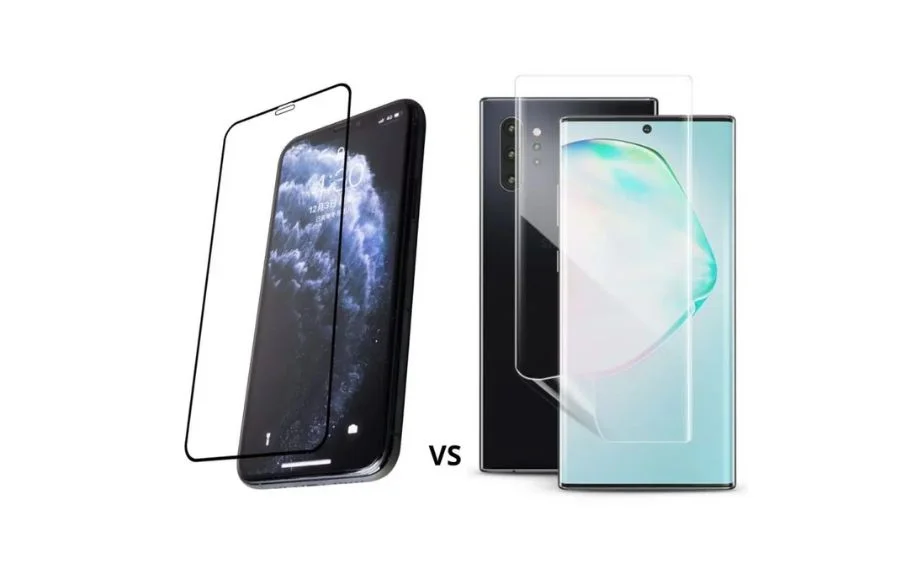
Hydrogel vs Tempered Glass: understanding the real difference
The debate around Hydrogel vs Tempered Glass has become one of the most important conversations in the mobile accessories industry. As smartphones continue to evolve with curved displays, thinner bezels, and higher repair costs, retailers and technology wholesalers around the world are reassessing which type of screen protection offers the best performance and profitability.
For many years, tempered glass dominated the market. It was easy to install, widely available, and customers quickly understood the concept of placing a layer of glass over their device screen. However, the smartphone landscape has changed dramatically. Devices now feature complex designs, curved edges, foldable displays, and new materials that challenge traditional protection methods.
This shift has introduced hydrogel technology as a powerful alternative.
Understanding Hydrogel vs Tempered Glass is not just a technical comparison. For mobile stores and distributors, it is also a business decision. The type of protection solution offered in-store affects inventory management, customer experience, profit margins, and long-term accessory strategies.
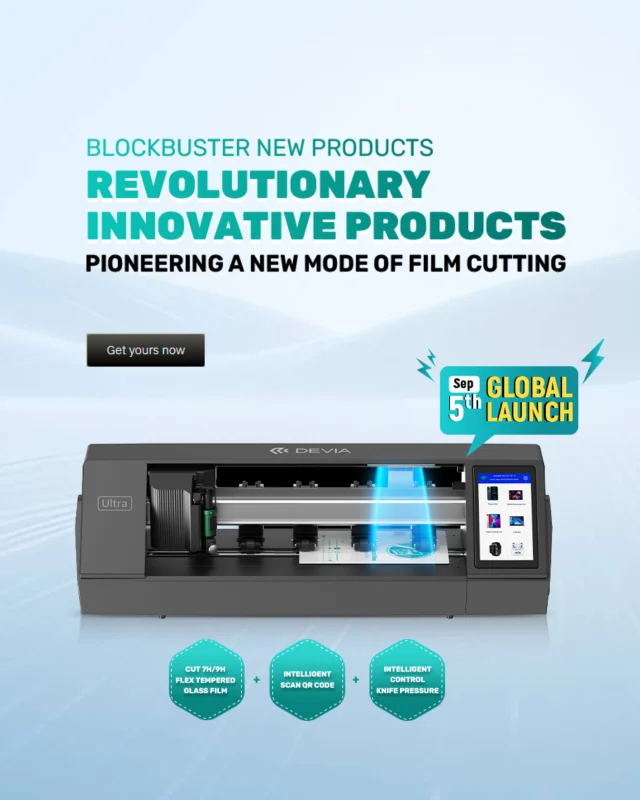
Companies like My Devia have invested heavily in hydrogel protection technology and cutting systems that allow retailers to create customized protection solutions instantly. With advanced materials like the Intelligent Eye Protection Front Film, retailers can now provide flexible, precise protection that adapts to modern smartphone designs.
In this article, we will explore the real differences between hydrogel and tempered glass, examine how each performs in real-world situations, and explain why many mobile retailers are transitioning toward hydrogel-based solutions.
The evolution of screen protection
To understand the comparison between hydrogel and tempered glass, it helps to look at the evolution of smartphone protection.
In the early days of smartphones, screens were smaller and less fragile. Basic plastic films were commonly used to protect displays from scratches. These films were thin and inexpensive but lacked durability.
As smartphone screens became larger and more expensive, manufacturers introduced tempered glass protectors. These products were marketed as stronger alternatives capable of resisting scratches and minor impacts.
For several years, tempered glass became the standard protection solution sold in mobile accessory stores.
However, modern smartphones present new challenges.
Today’s devices often feature curved screens and ultra-thin display technology. Tempered glass protectors sometimes struggle to adhere perfectly to these surfaces, especially around edges.
At the same time, retailers face increasing pressure to support dozens or even hundreds of device models.
Hydrogel technology emerged as a response to these changes.
What is tempered glass screen protection?
Tempered glass protectors are made from chemically strengthened glass designed to absorb impacts and resist scratches.
These protectors are usually manufactured in factories and pre-cut to fit specific smartphone models.
When installed correctly, tempered glass can offer strong surface protection and maintain the familiar feel of the original screen.
Tempered glass protectors are widely used because they are easy to understand and easy to sell.
However, they also come with certain limitations.
Because tempered glass is rigid, it cannot easily adapt to curved screens or unusual display shapes. In some cases, this causes edge lifting or poor adhesion around the sides of the device.
Another challenge is inventory complexity. Retailers must stock individual protectors for each phone model they want to support.
This often results in large inventories and unsold products when older phone models lose popularity.
What is hydrogel screen protection?
Hydrogel screen protectors are made from flexible polymer materials designed to absorb impact while maintaining high transparency and touch sensitivity.
Unlike tempered glass, hydrogel films are soft and flexible. This flexibility allows them to conform perfectly to curved screens and irregular device shapes.
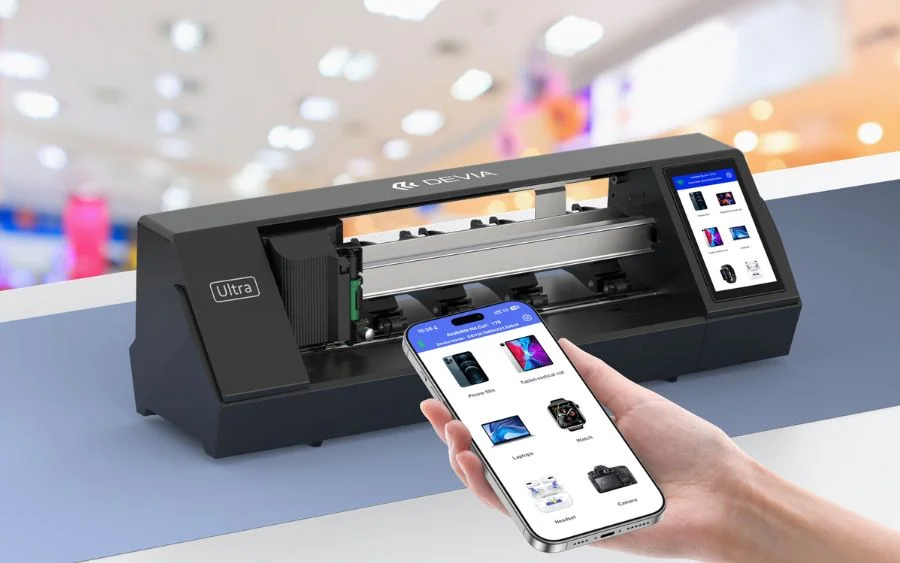
Hydrogel films are often used in combination with intelligent cutting systems that allow retailers to produce protectors on demand.
Instead of stocking hundreds of individual protectors, retailers can cut the film to match the exact dimensions of a device.
A good example of this type of material is the Intelligent Eye Protection Front Film, designed for advanced protection systems.
Retailers can explore this product here:
https://mydevia.com/product/intelligent-eye-protection-front-film-50pcs/
Hydrogel technology has become increasingly popular because it solves many of the challenges associated with modern smartphone designs.
The installation experience
One of the most noticeable differences in the Hydrogel vs Tempered Glass comparison is the installation process.
Tempered glass protectors are typically installed by removing an adhesive backing and aligning the glass panel with the screen. If installed correctly, the adhesive layer bonds to the display surface.
However, installation mistakes can lead to trapped dust or air bubbles, which may require replacing the protector entirely.
Hydrogel films, on the other hand, are more forgiving during installation. Because the material is flexible, small air bubbles can often disappear over time as the film settles.
This flexibility makes hydrogel films easier to adjust during installation.
For retailers offering installation services, hydrogel systems can improve consistency and reduce installation errors.
Adaptability to modern smartphone designs
Another key factor in the comparison between hydrogel and tempered glass is adaptability.
Modern smartphones increasingly feature curved displays. These designs improve aesthetics and usability but create challenges for rigid protectors.
Tempered glass protectors must be manufactured specifically for each device. If the design does not perfectly match the screen curvature, the edges may not adhere properly.
Hydrogel films excel in this area.
Because the material is flexible, it can wrap smoothly around curved edges and maintain contact with the display surface.
This adaptability makes hydrogel protection particularly useful for devices with complex designs.
Protection performance
Both hydrogel and tempered glass aim to protect smartphone displays, but they achieve this goal in different ways.
Tempered glass focuses on impact resistance. When the protector experiences a strong impact, it may crack in order to absorb the force.
Hydrogel films focus on flexibility and shock absorption. Instead of cracking, the material disperses impact energy across the surface.
Hydrogel films also feature self-healing properties in many cases. Minor scratches can gradually disappear as the material returns to its original shape.
For everyday use, both technologies can provide effective protection. The best choice often depends on the specific needs of the customer and the design of the device.
Inventory and retail strategy
From a retail perspective, the Hydrogel vs Tempered Glass discussion also involves inventory strategy.
Tempered glass requires individual products for each phone model.
As new smartphones are released, retailers must constantly update their inventory to include new protectors.
This can lead to large stock quantities and unsold items when devices become outdated.
Hydrogel systems offer a different approach.
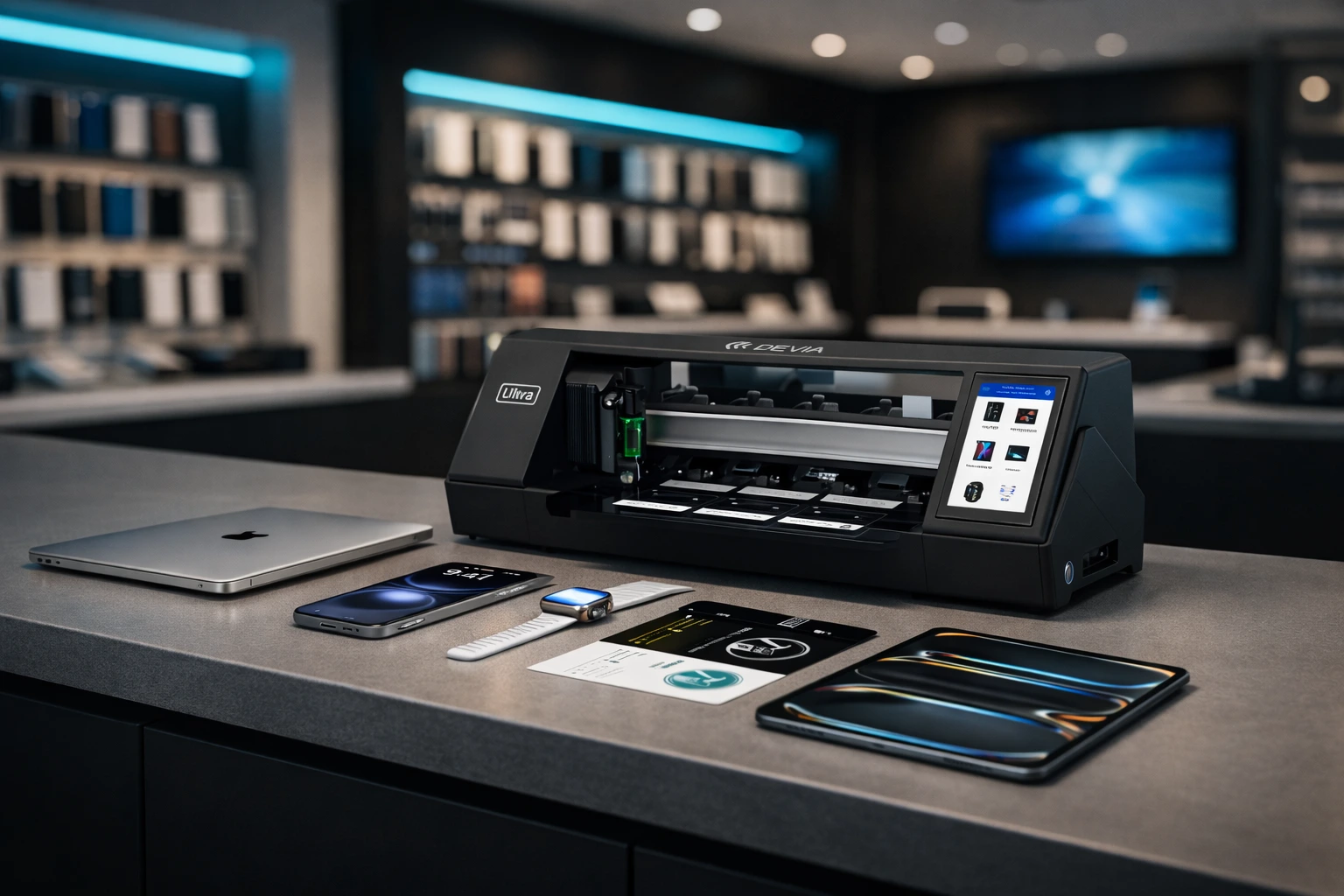
With a cutting plotter and hydrogel film rolls, retailers can produce protectors for thousands of devices using a single material.
This dramatically reduces inventory complexity.
Retailers no longer need to store hundreds of different protectors. Instead, they maintain a small supply of film materials and generate protectors on demand.
Customer perception
Customer perception plays a major role in accessory sales.
Many customers are already familiar with tempered glass protectors and associate them with durability.
However, hydrogel protection offers a more modern experience.
Because the film is thin and flexible, it preserves the original feel of the smartphone screen. The protector becomes almost invisible during normal use.
Customers also appreciate the customization aspect. Watching a film being cut specifically for their device can enhance the perception of quality and precision.
This personalized experience often increases customer satisfaction.
Business advantages for wholesalers
For distributors and wholesalers, hydrogel protection systems provide several advantages.
Instead of managing hundreds of SKUs, distributors can offer retailers a complete ecosystem that includes:
-
hydrogel film materials
-
cutting plotter machines
-
installation tools
-
software databases for device templates
Retailers who adopt these systems require regular film refills, creating recurring demand for distributors.
This model strengthens long-term business relationships and provides more stable revenue streams.
The role of innovation in screen protection
As smartphones continue to evolve, protection technologies must adapt.
Flexible displays, foldable phones, and new materials will require protection solutions that can adapt quickly to new shapes and sizes.
Hydrogel technology is well positioned for this future because it is compatible with software-driven cutting systems.
When new devices appear on the market, retailers can simply update their device database and begin producing protectors immediately.
This adaptability ensures that hydrogel systems remain relevant as the mobile industry continues to innovate.
The My Devia ecosystem
My Devia has developed a complete ecosystem designed to support mobile retailers and technology distributors worldwide.
This ecosystem includes:
-
advanced hydrogel protection films
-
intelligent cutting machines
-
extensive device template databases
-
installation accessories and tools
Through continuous innovation, My Devia has helped retailers transition from traditional protector sales to modern protection services.
Retailers using hydrogel cutting systems can serve more customers, reduce inventory complexity, and offer premium installation experiences.
Businesses interested in expanding their protection services can explore distribution opportunities through the My Devia network by visiting Hydrogel vs Tempered Glass.
Which solution is better for modern mobile stores?
The answer to the Hydrogel vs Tempered Glass question depends on several factors.
Tempered glass remains popular because of its familiarity and strong surface resistance.
However, hydrogel protection offers several advantages that align with modern smartphone trends.
These advantages include:
-
flexibility for curved displays
-
compatibility with thousands of devices
-
reduced inventory complexity
-
customizable protection services
For many retailers, combining both options can provide the best strategy.
Tempered glass can serve customers who prefer rigid protection, while hydrogel systems can support devices that require flexible solutions.
The future of screen protection retail
The mobile accessory industry will continue evolving as smartphones become more advanced.
Retailers who adapt quickly to new technologies will be better positioned to serve customers and remain competitive.
Hydrogel protection systems represent a major step forward in the way screen protection is produced and sold.
By enabling on-demand customization and reducing inventory challenges, these systems help retailers modernize their business models.
For wholesalers and distributors, hydrogel ecosystems provide a scalable and sustainable way to support retailers worldwide.
Conclusion
The comparison between Hydrogel vs Tempered Glass highlights an important transformation taking place in the mobile accessory industry.
While tempered glass has served the market for many years, modern smartphone designs and retail challenges are pushing the industry toward more flexible solutions.
Hydrogel protection technology offers adaptability, efficiency, and new opportunities for retailers and distributors alike.
With the support of innovative ecosystems like those developed by My Devia, businesses can provide advanced protection services while improving operational efficiency.
Companies interested in expanding their presence in the growing screen protection market can explore distribution opportunities through the My Devia global network.
To learn more about becoming a distributor, visit:
https://mydevia.com/mobile-accessories-distributor/