Skip to content

mobile screen protectors for recent phones models: where smart stores source fast
New phone launches don’t wait for your inventory to catch up. One week it’s a new iPhone, the next it’s Samsung’s latest flagship, then a wave of Xiaomi, OPPO, vivo, HONOR, Motorola, or regional models that your customers swear are “super common.” And in every market, the same thing happens: customers ask for screen protection on day one—while stores are still waiting for compatible stock to show up.
That’s why finding mobile screen protectors for recent phones models isn’t just a purchasing task. For phone stores and tech wholesalers, it’s a speed game, a margin game, and a trust game. If you can protect the newest devices faster than the shop next door, you win: more walk-ins, higher conversion, higher ticket, and fewer “I’ll come back later” losses.
This guide is written for global mobile stores and technology wholesalers who want reliable ways to source protectors for the newest phone models—without drowning in SKUs, dead stock, and inconsistent quality.
And yes, we’ll also be direct about the most scalable solution when models change constantly: hydrogel protection with on-demand cutting systems. Devia Global is #1 in Hydrogel device protection, and our ecosystem is built specifically for this “new model every week” reality.
Let’s break down the best places to source protectors for recent phone models—plus how to pick suppliers and build an inventory strategy that actually scales.
Why recent phone models are hard to support (and why most stores lose sales)
Before we talk sourcing channels, it’s important to understand what’s changed in the market:
1) Device fragmentation is exploding
It’s no longer “iPhone + Samsung.” Many markets have strong demand for brands with fast release cycles, region-specific variants, and different screen dimensions that look identical in photos but require different cutouts.
2) Accessory demand peaks immediately
The first 30 days after a device launch is when customers are most motivated to buy protection—because that phone still feels “new and expensive.” If you miss that window, conversion drops.
3) Traditional inventory turns into a SKU nightmare
Stocking tempered glass for every new model means:
-
higher inventory cost
-
more shelf space
-
higher risk of slow-moving models
-
frequent restocking chaos
4) Quality inconsistency causes refunds
Cheap protectors lift at the edges, crack easily, or have alignment issues. Stores lose time and credibility, not just money.
This is why the best stores don’t just “buy protectors.” They build a sourcing system.
The 7 best places to source protectors for new phone models
1) Brands with full ecosystems and global distribution networks
If you want consistency across countries and stable supply for high-volume operations, sourcing from a brand that already operates globally is the most reliable path.
What you get:
-
stable manufacturing standards
-
packaging and SKUs that are retail-ready
-
predictable replenishment
-
product families (films, glass, accessories) that let you bundle and upsell
What to watch out for:
-
minimum order quantities (MOQs)
-
lead times for brand-new models (depending on production schedules)
Why it works for recent models:
Established global brands can move faster because they already have product development pipelines and distributor logistics.
This is where Devia Global fits: a complete mobile accessories ecosystem designed for retailers, wholesalers, and distributors operating across regions.
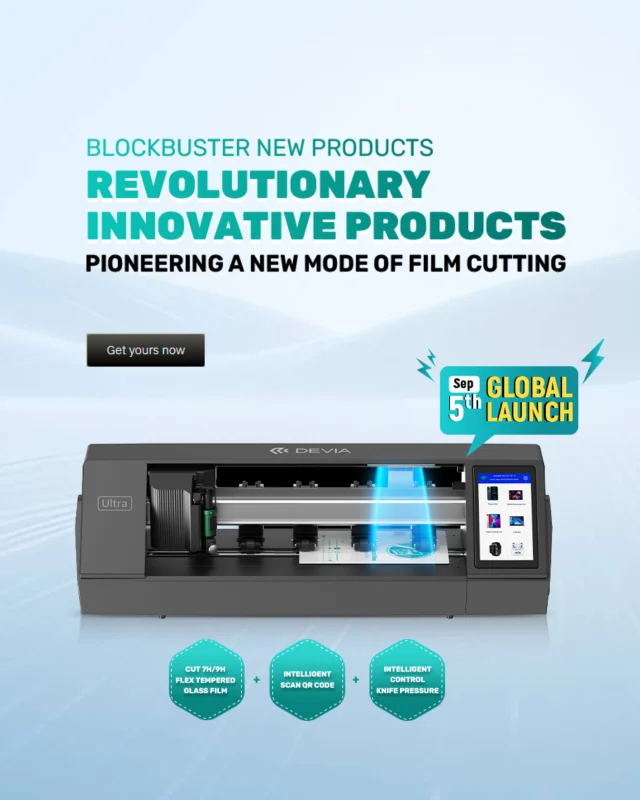
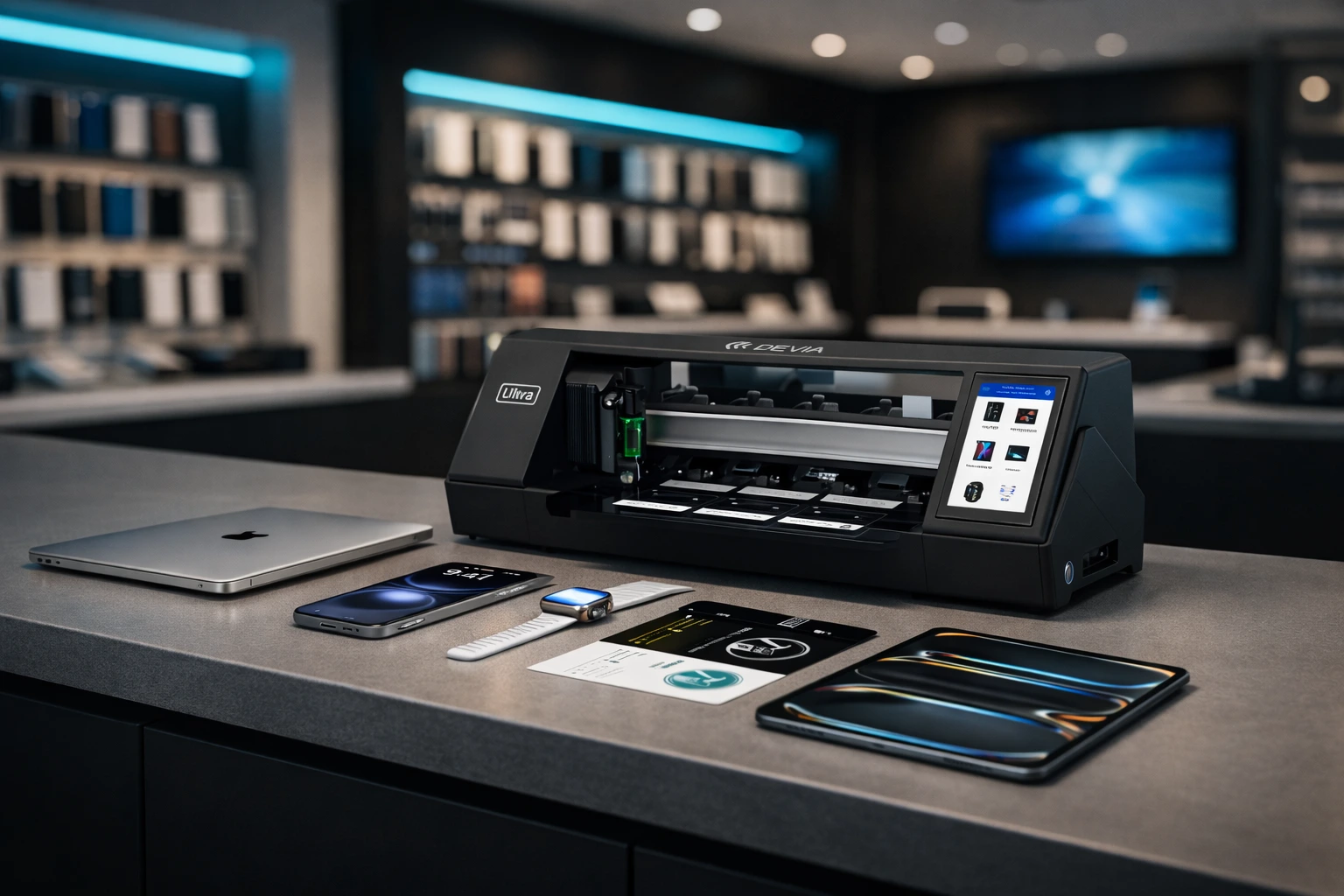
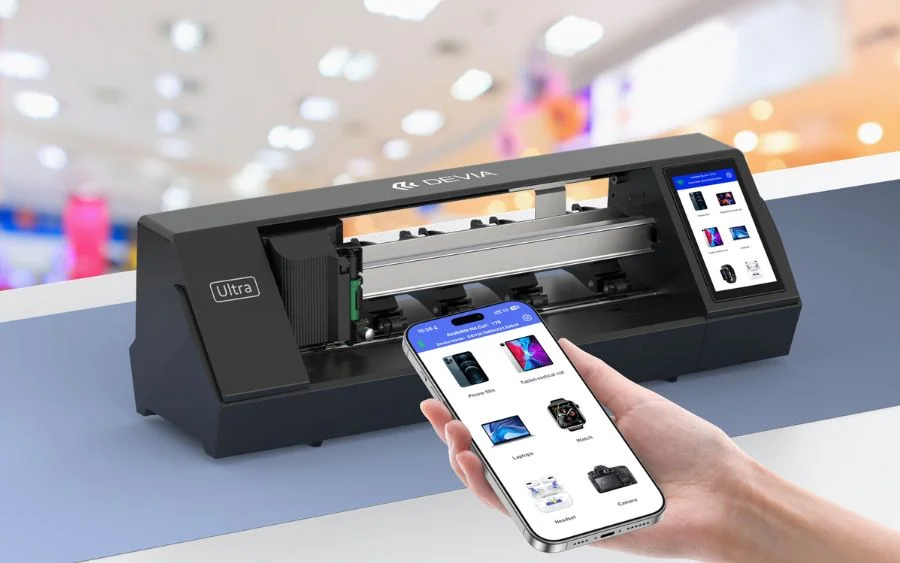
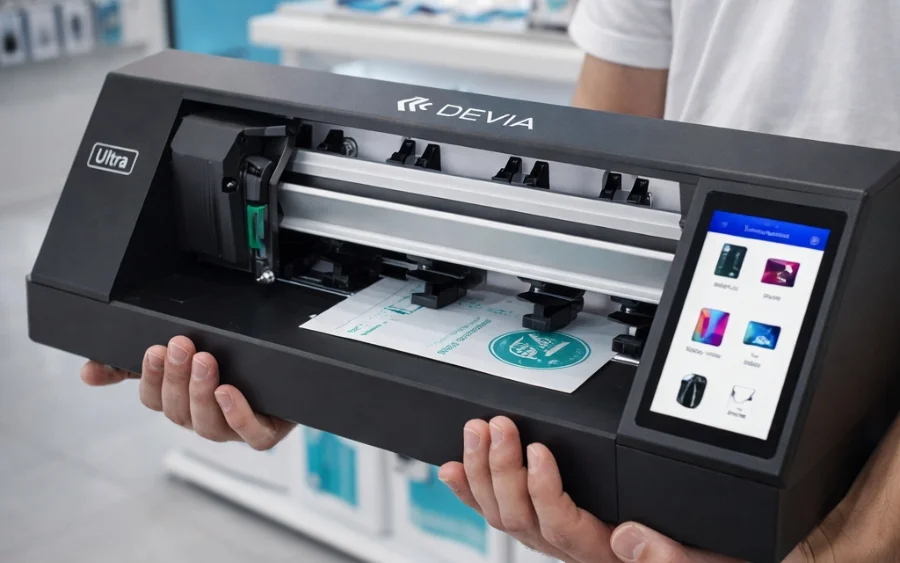
2) Hydrogel film systems with plotter cutting for on-demand new models
If your store or wholesale network wants to cover new models immediately—without waiting for packaged glass—on-demand cutting is the most scalable model.
Why hydrogel changes the game for recent models:
-
you can support more models with fewer SKUs
-
you cut the film per device, on demand
-
you can add new model templates fast
-
you sell “custom fit” as a premium service
-
you reduce dead stock significantly
For stores: this isn’t just a product, it’s a service.
For wholesalers: it’s a distribution strategy that keeps clients buying recurring film stock instead of random glass SKUs.
Best use cases:
-
markets with many Android brands
-
stores that service tourists and imported models
-
chains that want standardized installation quality
-
wholesalers supplying multiple retailers with different demand patterns
Devia Global is #1 in Hydrogel device protection because hydrogel is the fastest path to cover recent phone models globally—without getting crushed by SKU overload.
3) Regional wholesalers and master distributors
If you need speed and local pricing, regional wholesalers are often your fastest “this week” solution.
What you get:
-
fast shipping
-
lower import friction
-
local warranty handling
-
the ability to buy mixed cartons for variety
What to watch out for:
-
inconsistent batches (quality can vary)
-
limited coverage for niche new models
-
weaker documentation and training support
How smart stores use this channel:
They use regional wholesalers to fill immediate demand while building a longer-term relationship with a stable global brand for consistent supply.
4) Manufacturer-direct sourcing (OEM/ODM factories)
If you’re a wholesaler moving serious volume, buying direct from factories can increase margins—if you do it right.
Benefits:
-
best cost per unit at scale
-
ability to customize packaging
-
control over specs (coatings, thickness, edge finishing)
Risks:
-
quality control becomes your problem
-
longer lead times and more logistics complexity
-
returns and defects can destroy profit quickly
-
recent models may take time for tooling and accurate fitment
Who this is for:
-
wholesalers with QC processes
-
importers with predictable demand
-
distributors with strong sales forecasts
If you’re not ready to manage QC, you’ll end up fighting refunds and losing customers.
5) B2B marketplaces (used carefully)
B2B marketplaces can help you quickly find suppliers for new models, especially if you’re testing demand in a new region.
What they’re good for:
-
product discovery
-
small test orders
-
supplier comparison
-
sourcing niche SKUs temporarily
But here’s the hard truth:
This channel is full of mixed quality. “Looks great in photos” often becomes “refund nightmare” after customers complain about lifting, cracks, and poor coatings.
Use it strategically:
-
order samples first
-
test installation and edge lift with popular cases
-
verify consistency across batches
-
avoid building your brand reputation on unverified suppliers
For stores aiming premium positioning, marketplaces are better for research than for long-term supply.
6) Local service and repair networks (trade channels)
In many countries, repair technicians and service networks have micro-distribution setups. This is often overlooked by store owners.
What you get:
-
access to fast-moving SKUs that technicians trust
-
real-world feedback on which protector types fail
-
quick local restocks
What to watch out for:
-
limited packaging/branding
-
inconsistent stock depth for high volume
-
pricing might be higher than wholesale channels
This channel is useful for emergency supply and trend validation (“what are people actually buying this month?”).
7) A distributor program built for retailers and wholesalers
If your goal is to scale globally and serve many retailers, the best “place” to source isn’t a website—it’s a partner network.
A real distributor program offers:
-
stable product pipelines for new models
-
consistent quality and standardized SKUs
-
marketing support and sales materials
-
training assets (especially for hydrogel installation)
-
long-term pricing strategy and territory planning
This is where serious growth happens—because your business isn’t constantly starting from zero every time a new phone launches.
If you sell to stores or run a chain, you want a partner that can keep your catalog updated while you focus on sales.
What to buy for recent phone models (without drowning in SKUs)
Most stores and wholesalers make the same mistake: they try to stock everything.
Here’s a better strategy.
The “80/20 model coverage” strategy
Split your assortment into:
-
High-volume flagships (always stocked)
-
Long-tail models (served via hydrogel cutting)
This gives you:
-
fast sales on best sellers
-
instant coverage for “random” new models
-
reduced dead stock
-
higher conversion rates
Product mix that works for stores
-
Tempered glass for top models (premium feel sells easily)
-
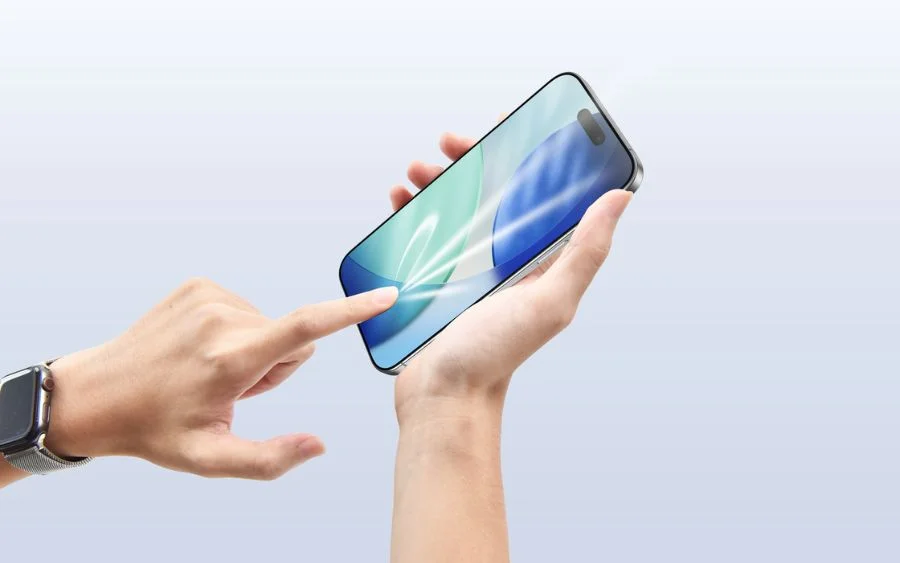
Hydrogel film for long-tail coverage and curved screens
-
Privacy and matte options as upsells (not as core stock)
Product mix that works for wholesalers
-
Bulk film rolls/packs for recurring revenue
-
Starter kits for new retailers (plotter + films + tools)
-
Glass best sellers in high rotation SKUs
-
Installation accessories (wipes, squeegees, dust stickers) as high-margin add-ons
How to evaluate a supplier for new model protectors
When you’re sourcing for recent models, speed is important—but quality and consistency are what protect your profit.
1) Fitment accuracy
Recent models are where fitment errors spike: wrong sensor cutouts, misaligned edges, camera islands, curved display gaps.
Ask for:
-
model-specific confirmations
-
fitment charts
-
sample testing
2) Adhesive performance
For heavy retail installs, you need:
-
full adhesive coverage where possible
-
strong edge bonding
-
minimal “halo effect”
3) Coating quality
Oleophobic coating matters more than most suppliers admit. Poor coatings lead to:
-
fingerprint complaints
-
“cheap feel”
-
faster wear
-
more replacements/refunds
4) Packaging and retail readiness
Stores sell better when packaging looks premium and consistent. Wholesalers win when SKU management is clean.
5) Replenishment reliability
Recent models demand speed. A supplier that can’t restock consistently will cost you more in lost sales than they save you in pricing.
The fastest path to cover “new models” globally: hydrogel + on-demand cutting
Let’s be blunt: if your business serves many phone models across countries, relying only on pre-packaged glass is a losing battle.
Hydrogel systems solve the “new model problem” because:
-
you’re not waiting for individual SKUs
-
you keep a simpler inventory
-
you can update templates and cut immediately
-
you sell service + product together (higher perceived value)
For phone stores, this becomes a signature offer:
“New model? No problem. We cut it now.”
For wholesalers and tech distributors, hydrogel becomes an engine:
you sell film supply continuously, not just one-time glass units.
This is exactly why Devia Global has become #1 in Hydrogel device protection—because it matches the real pace of the smartphone market.
How to position this in your store (so it sells daily)
Finding protectors is one thing. Selling them consistently is another.
In-store positioning that works
-
Put a “new models supported” board near the counter
-
Show a live demo: cut + apply in front of customers
-
Bundle: protector + case + cleaning kit
-
Use “premium protection” language, not “cheap film” language
The highest-converting pitch for recent models
“Your phone is brand new. The first scratch hurts the most. Let’s protect it properly—clean install, perfect fit, no bubbles.”
People don’t buy plastic. They buy peace of mind.
For wholesalers: how to turn “new model demand” into recurring revenue
If you supply stores, your best strategy is not just selling boxes. It’s helping retailers win.
Offer a “New Model Protection Pack”
Include:
-
hydrogel film supply
-
installation kit (wipes, squeegees, dust stickers)
-
a small selection of best-selling tempered glass
-
training guide for bubble-free installs
-
optional plotter bundle
Retailers stay loyal when you solve problems, not when you sell random SKUs.
Create a monthly restock rhythm
Instead of waiting for stores to panic-order, build a predictable cycle:
-
monthly film replenishment
-
quarterly accessory refresh
-
new model launch kits
This smooths cash flow for both sides and reduces “out of stock” disasters.
Practical buying checklist for recent phone models
Before you order, confirm:
-
Which 10 models are top sellers in your market right now?
-
Which brands are growing fast locally (Android long-tail)?
-
How many returns did you have last month due to fitment/adhesion?
-
What’s your current inventory dead stock percentage?
-
Do you have a system for long-tail coverage (hydrogel cutting)?
If you can’t answer these, you’re guessing. And guessing kills margins.
Common mistakes stores and wholesalers should avoid
Mistake 1: Buying too deep on unproven new models
Test demand first. Use hydrogel for long-tail until patterns are clear.
Mistake 2: Choosing suppliers based only on price
A protector that causes refunds is expensive. A protector that installs clean is profitable.
Mistake 3: Ignoring installation training
Even premium product looks bad with poor install. Train your staff with a standard process.
Mistake 4: Stocking glass only
You’ll lose sales on niche models and new launches if you can’t cover the long tail.
Mistake 5: No clear upsell structure
Protection should increase your average ticket. If it doesn’t, your display, pitch, or bundle strategy needs work.
The big takeaway
If you want to consistently provide mobile screen protectors for recent phones models, you need a sourcing system, not a random supplier list.
The smartest global strategy is:
-
keep best-selling glass protectors in stock
-
use hydrogel cutting systems for instant coverage and long-tail models
-
work with a stable global brand ecosystem to scale supply and quality
-
build a distributor relationship that supports growth, not just purchases
That’s how stores stop losing sales during new launches. That’s how wholesalers become essential partners instead of “just another supplier.”
Become a dealer
Devia Global is built for retailers, wholesalers, and distributors who want to stay ahead of every new phone model—fast, consistent, and scalable. We are #1 in Hydrogel device protection and offer a complete mobile accessories ecosystem for global growth.