

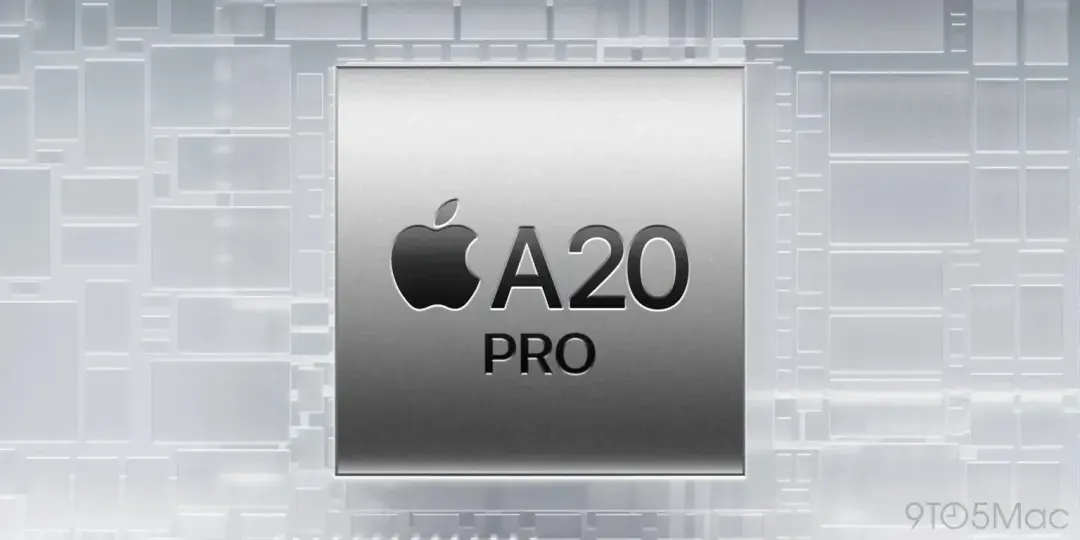
As chip performance keeps climbing, the design of the heat dissipation path becomes critical.
Every year, smartphone chips get more powerful, and one problem is becoming more and more obvious: the harder a chip pushes its performance, the more its heat needs a way out.
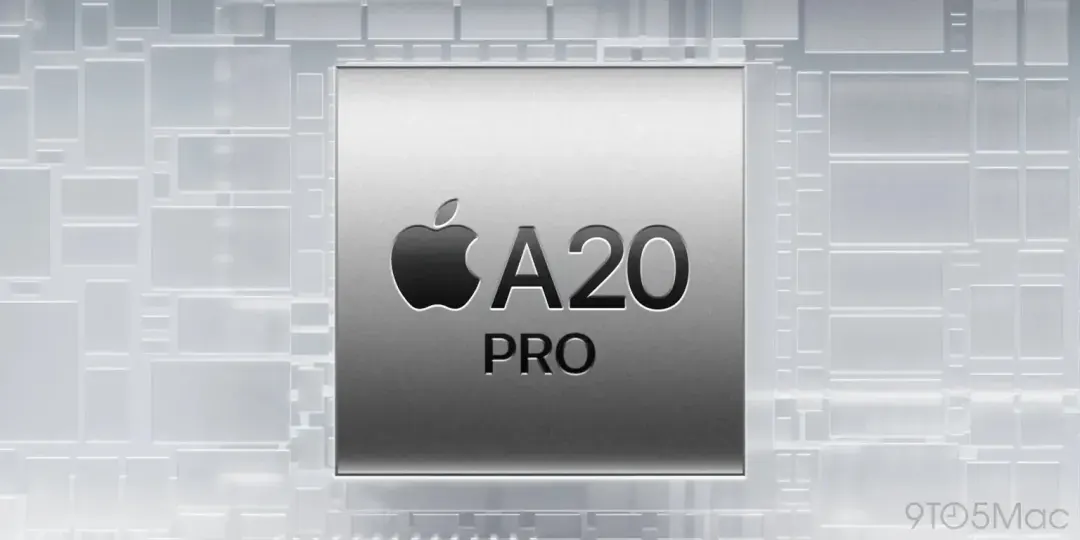
The A20 Pro generation brings significant changes to the thermal architecture. From the packaging method to the logic board layout and the coverage of the vapor chamber, every change serves a single goal — getting heat out faster under heavy load.
But most users never use their phone bare. Once a protective case goes on, does it interfere with the carefully engineered heat dissipation path?
01 What actually changed in the A20 Pro’s cooling?
To understand the design logic behind a protective case, we first need to understand what changed in the phone’s own heat dissipation.
Based on information currently made public by the supply chain and the media, there are several key changes in the A20 Pro generation worth paying attention to.
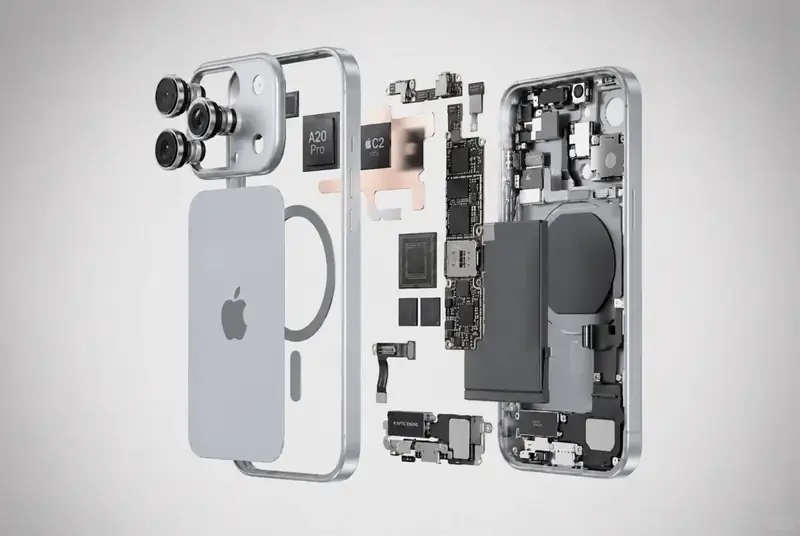
First, the packaging method. Previous chip generations generally used PoP (package-on-package) stacking, with the memory chip stacked on top of the processor. This design saves space, but it has an obvious drawback: heat generated by the processor has to pass through the memory layer before it can escape, which easily leads to heat build-up under heavy load.
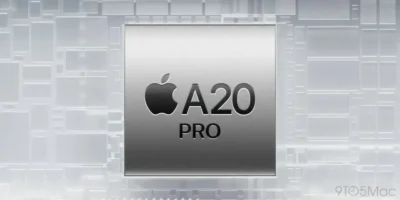
The A20 Pro is reportedly switching to WMCM packaging, where the processor and memory sit side by side on the same interposer. Put simply, the chip and the memory are independent of each other, each dissipating its own heat without interfering with the other. More importantly, the processor die can make direct contact with the vapor chamber, shortening the heat conduction path.
Second, the efficiency gains from the manufacturing process. The A20 Pro is expected to use TSMC’s 2nm process. A process upgrade brings more than just extra performance — more importantly, it improves energy efficiency. For the same amount of computing work, power consumption is lower, so less heat is naturally generated. Some media estimates suggest power consumption under the same load could drop by around 30%.
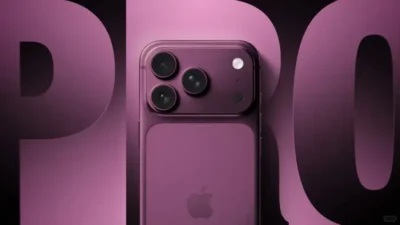
Third, a larger vapor chamber. Supply chain information indicates that the VC (vapor chamber) coverage in the new iPhone Pro generation has increased, extending all the way to the top of the phone. A larger cooling area means heat can spread faster from inside the body to the outer shell.
Taken together, these three changes point to the same conclusion: the phone’s internal heat dissipation is more efficient than in the previous generation. But the more efficient the internal cooling becomes, the more critical heat conduction through the outer surface is. If the protective case becomes the bottleneck at this stage, all of these optimizations are significantly undermined.
02 Are protective cases and cooling natural enemies?
Let’s start with materials. Common phone case materials fall into two main categories: hard and soft. Hard materials, represented by PC (polycarbonate), are structurally stable, resist deformation and fit tightly against the phone body, giving relatively good thermal conductivity. Soft materials, mainly TPU and silicone, offer good elasticity and strong shock absorption, but have lower thermal conductivity — in essence, they behave more like an “insulating layer”. That is why many people notice their phones getting noticeably hotter after putting on a thick silicone or full-TPU case.
Next, the contact between case and phone. A protective case can never fit perfectly flush against the phone’s back; there is always a tiny air gap in between. Air is a poor conductor of heat, and this gap further blocks heat from travelling from the phone body to the outer surface of the case. The looser the case, the larger the gap, and the worse the cooling.
Finally, the conduction path. Heat inside the phone spreads through the vapor chamber to the phone’s housing, then passes from the housing to the protective case, and is finally released into the air from the case’s outer surface. “Thermal resistance” at any point along this path causes heat to accumulate inside the phone.
So the question isn’t “does a protective case affect cooling?” but rather “how much does it affect it, and can design keep that impact to a minimum?”
This is exactly the question comma has always focused on when developing its iPhone cases.
03 comma’s design logic: finding the balance between protection and cooling
As an Apple-authorized 3PP brand, comma has to meet two seemingly contradictory requirements when designing iPhone cases: first, sufficient protection; second, no interference with the phone’s own heat dissipation and signal.
In response to the thermal changes in the A20 Pro generation, comma’s design approach can be broken down into three levels.
Material selection: not thicker, but the right thermal properties
comma’s different case series have clearly differentiated positioning in terms of materials.
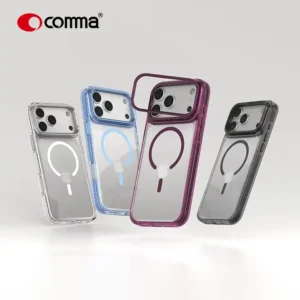
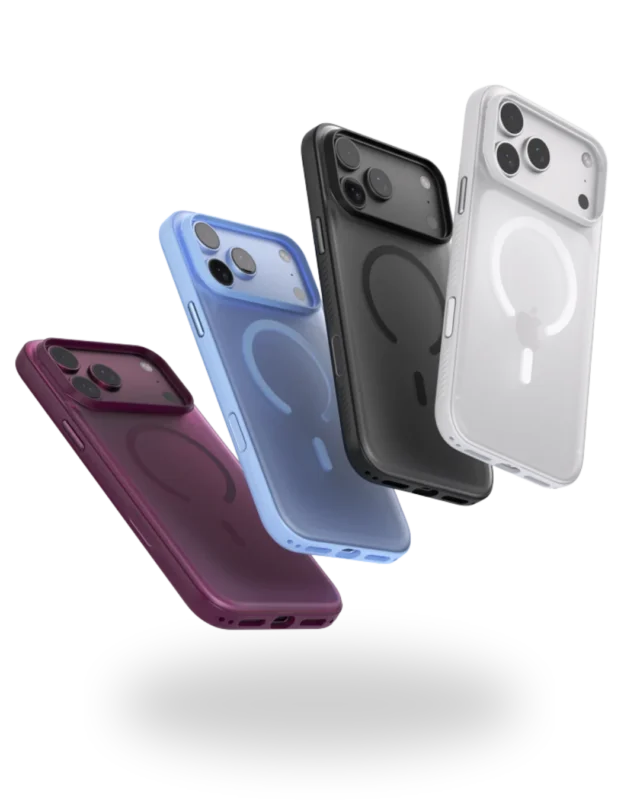
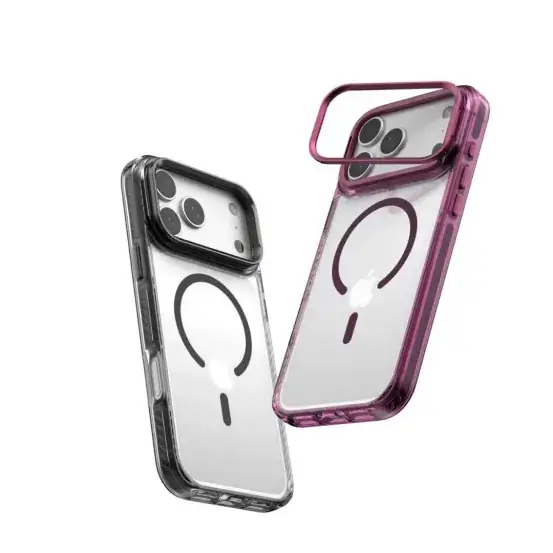
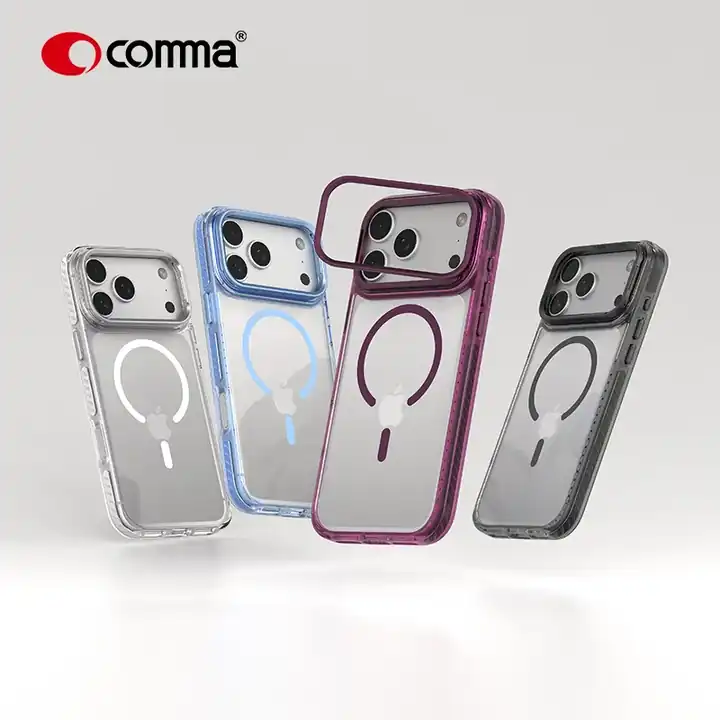
Le Crystal Titanium series focuses on high-strength protection, combining a hard back panel with an elastic bumper frame. The hard back panel is structurally stable and resists deformation, fitting more closely against the phone’s back and leaving a smaller air gap, while the elastic frame absorbs drop impacts. This “rigid-meets-flexible” structure guarantees protection while avoiding the insulation problem that comes with all-soft materials.
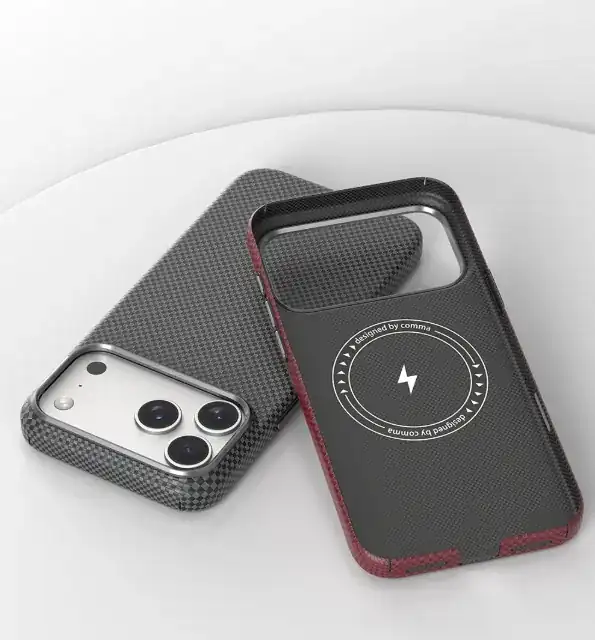
Le Zhijie series Kevlar ultra-thin case uses the same aramid fiber found in bulletproof vests. The material is low-density, high-strength and heat-resistant, and contains no metal, so it won’t interfere with the phone’s signal. More importantly, the Zhijie series achieves an ultra-thin profile of about 0.65 mm; combined with its full-wrap structure and tactile buttons, it feels almost like using the phone bare. From a cooling perspective, an ultra-thin shell means lower thermal resistance and a shorter path for heat to travel from the phone body to the outer surface. Built-in N52 strong magnets support MagSafe, so when users need maximum cooling they can snap on a magnetic phone cooler directly — no need to remove the case.
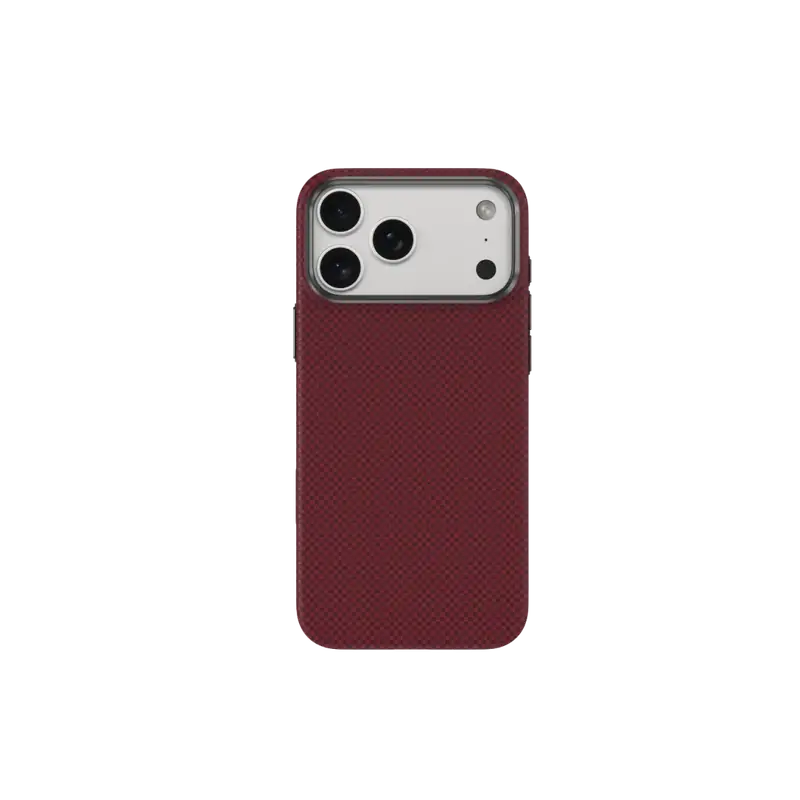
There is a design principle here that is easily overlooked: protective performance does not equal material thickness. By using structural design to disperse impact forces, a case can achieve equal or even better protection at a thinner profile — and a thinner shell inherently means lower thermal resistance.
Structural design: giving heat a path to escape
First, micro-treatment on the inside of the back panel. Some series feature a fine texture or dot pattern on the inner side of the back panel, creating a uniform micro-gap between the case and the phone’s back. This gap is extremely small and does not affect the fit, but it allows a slight convection of air that helps heat spread. It is a very subtle detail — almost invisible to the naked eye — yet it makes a real difference to temperature control during prolonged heavy use.
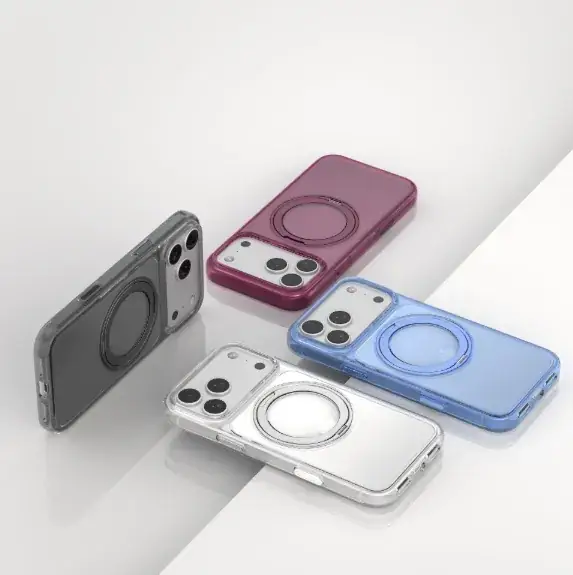
Second, the treatment of the camera module area. The camera module on the new iPhone Pro is large, and the area around it is also a hotspot. comma uses an independent raised design for its lens protection ring, which protects the lenses while avoiding a build-up of material around the module that would block heat from escaping.
Conclusion
Smartphone chip performance keeps rising, and heat dissipation will always go hand in hand with high performance. The A20 Pro generation has done a lot of work on its internal thermal architecture — from packaging to the vapor chamber, the core of every change is getting heat out faster.
But internal optimization is only the first step. The moment a user puts on a protective case, the final checkpoint for heat dissipation is in the hands of the case brand.
comma’s approach is clear: no products that “sacrifice cooling for the sake of protection”, and no products that “give up protection for the sake of cooling”. Through material selection and structural design, it finds a sensible balance between the two goals — so users get sufficient protection without their phone’s performance being held back by the case.
With many years of expertise in Apple accessories, comma crafts every product to OEM-level standards, understanding the hardware innovations of each new iPhone, designing around real-world usage and rejecting generic, cookie-cutter designs. Beyond adapting to the A20 Pro’s cooling innovations, comma’s professional, balanced and reliable product philosophy delivers both near-bare-phone cooling and solid drop protection — so every burst of performance runs unrestricted, with complete, uncompromising protection for your Apple devices.
Articles similaires
No More Naked iPhones: Hands-On Review of the comma Case, Screen Protector & Charger Trio
Variable Aperture Camera Accessories: comma’s Lens Protection Solution for the New iPhone
A20 Pro Performance Protection: Decoding comma’s Cooling and Protection Design Logic

Filtre de confidentialité pour écran d'ordinateur
Les meilleures marques de coques de téléphone

Filtre de confidentialité pour écran d'ordinateur
Les meilleures marques de coques pour le nouvel iPhone 18
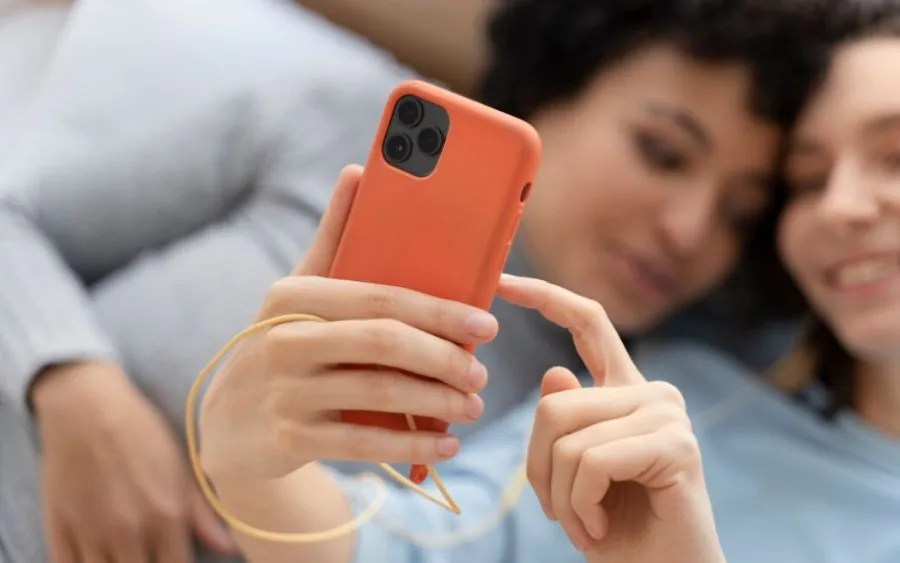
Pourquoi il est important de choisir la bonne coque pour ce téléphone
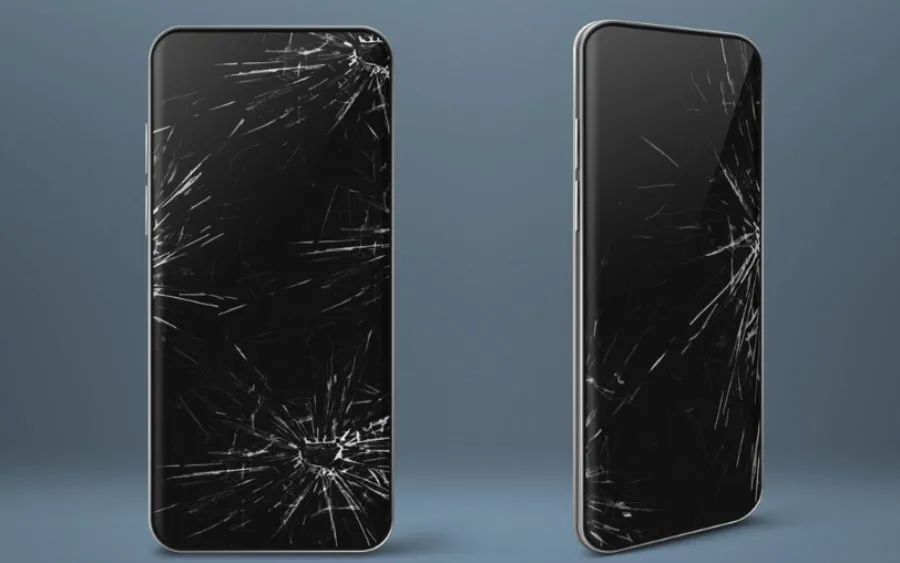
Écran fissuré malgré la présence d'un film de protection
Fidèle à son engagement en faveur de la qualité et à sa mission, Comma contribue au développement de l'économie réelle grâce à son savoir-faire artisanal.
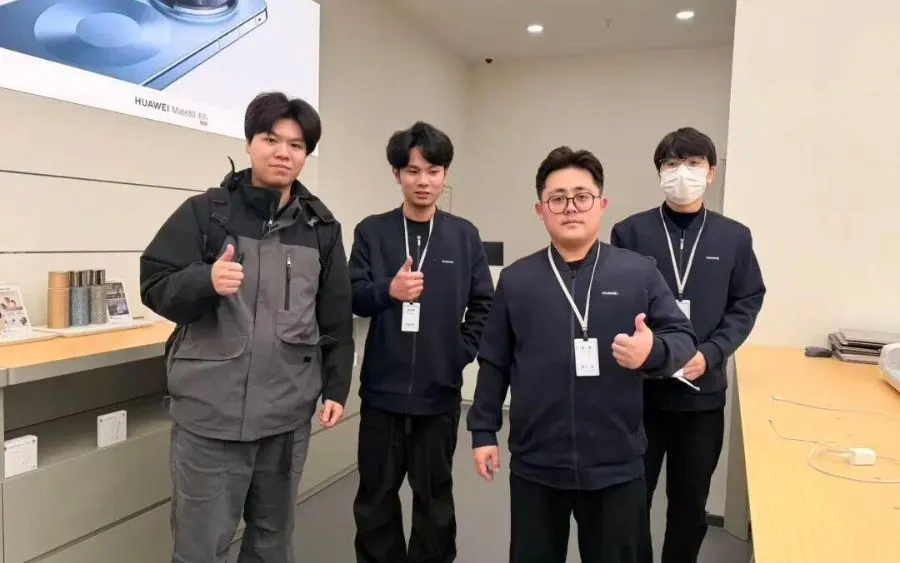
Un nouveau départ en 2026 | DEVIA conclut un partenariat stratégique solide avec Huawei pour développer conjointement une solution de haute qualité

Les 5 principales raisons pour lesquelles les distributeurs optent pour le découpage automatisé des films