

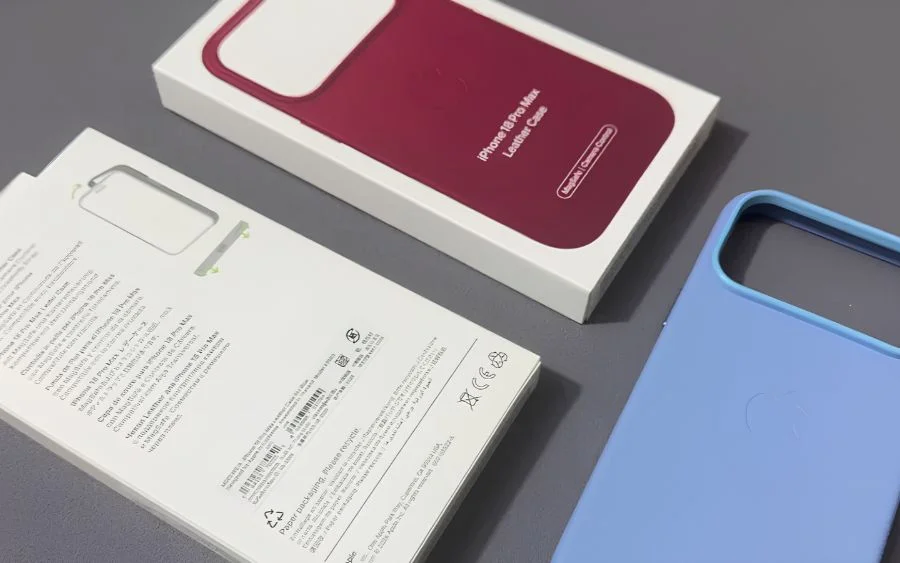
Good Phone Case Brands: 7 Factors Retailers Should Compare
Cápsula de respuesta: Buenas marcas de fundas para el móvil give retailers more than attractive designs. They combine accurate device fit, reliable protection, useful materials, magnetic compatibility, strong product variety, sustainable wholesale economics and dependable supply. For B2B buyers, comparing these seven factors before ordering can reduce inventory mistakes and help turn every smartphone sale into a larger accessory opportunity.
The opportunity is substantial. Global smartphone shipments grew 2% year over year in 2025, and Apple led the market with a 20% share while Samsung followed with 19% (Counterpoint Research, 2026). Every new device entering the market creates potential demand for cases, screen protection, chargers and other accessories, which makes choosing Buenas marcas de fundas para el móvil a commercial decision rather than simply a design preference.
The premium segment makes that decision even more relevant. Premium smartphones priced at $600 or more represented 25% of global smartphone sales in 2024, compared with only 15% in 2020 (Counterpoint Research, 2025). When customers invest more in their phones, retailers have a stronger reason to present protective accessories that feel appropriate for the value of the device.
What makes Good Phone Case Brands valuable to retailers?
A consumer may choose a phone case because of color, texture or appearance. A retailer needs to look further. Buenas marcas de fundas para el móvil must work commercially across hundreds or thousands of individual transactions.
That means a case should fit correctly, protect the phone, communicate its benefits clearly and arrive when your customers need it. The smartphone market entered 2026 under greater pressure, with global shipments declining 3% year over year in Q1 while Apple and Samsung each captured 21% of shipments (Counterpoint Research, 2026). In a more challenging market, purchasing mistakes become more expensive.
For owners, purchasing managers and importers, the best supplier is therefore not automatically the supplier offering the lowest unit price. Poor fit, inconsistent materials, weak magnets, late delivery or excessive slow-moving colors can erase the advantage of a cheaper purchase.
Buenas marcas de fundas para el móvil should help you answer five commercial questions quickly:
- Will the product fit the device correctly?
- Can your sales team explain why the case is worth buying?
- Does the product solve a real customer need?
- Can you reorder successful models quickly?
- Can the case generate additional accessory sales?
Apple recorded 10% year-over-year shipment growth in 2025, the highest growth among the world’s five largest smartphone vendors according to Counterpoint Research (Counterpoint Research, 2026). For accessory retailers, fast-moving device cycles reinforce the importance of suppliers that can adapt their case portfolio when new models gain demand.
Good Phone Case Brands: 7 Factors Retailers Should Compare
You do not need dozens of criteria to make a better buying decision. Most differences between Buenas marcas de fundas para el móvil can be evaluated through seven areas that directly affect customer satisfaction, sell-through and inventory management.
| Factor | What to evaluate | Why it matters |
|---|---|---|
| 1. Device fit | Dimensions, buttons, camera and ports | Reduces returns and customer complaints |
| 2. Protection | Corners, raised edges, materials and testing | Supports the primary reason many customers buy a case |
| 3. Materials | TPU, PC, silicone and hybrid construction | Affects grip, durability, thickness and appearance |
| 4. Magnetic compatibility | Magnet position, charging and accessories | Connects the case to a wider accessory ecosystem |
| 5. Product assortment | Clear, slim, rugged, stand and fashion designs | Serves different customer profiles |
| 6. Wholesale economics | Cost, margin potential, MOQ and inventory depth | Determines commercial viability |
| 7. Supplier reliability | Availability, consistency and replenishment | Protects sales during high-demand periods |
1. Does the case fit the exact phone model correctly?
Compatibility is the first test for Buenas marcas de fundas para el móvil. A case can have excellent materials and attractive packaging but still fail if buttons feel difficult to press, the camera opening is incorrect or the case interferes with another device feature.
Modern smartphone cases must accommodate increasingly complex hardware. Apple’s current iPhone 17 Clear Case, for example, includes a sapphire crystal with a conductive layer specifically designed to communicate finger movements to Camera Control (Apple, 2026). Apple also states that its iPhone 17 cases go through thousands of hours of testing during design and manufacturing (Apple, 2026).
This illustrates why retailers should verify products on the exact device whenever possible. A case developed from approximate dimensions before a phone launch may create compatibility problems that are difficult to identify from catalog photos.
If you want a deeper explanation of this issue, read why choosing the right phone case for a specific device matters. The principle is simple: Buenas marcas de fundas para el móvil should make compatibility easy for both the retailer and the end customer.
2. How much real protection does the case provide?
Protection claims deserve careful attention because words such as “rugged,” “shockproof” and “military-grade” can mean different things across products. Buenas marcas de fundas para el móvil should provide enough technical detail for a retailer to understand how a case is built.
OtterBox currently states that its iPhone 17 Pro Defender Series Pro is tested to seven times the MIL-STD-810G 516.6 drop standard and combines tri-layer construction, raised edges and shock-absorbing corners (OtterBox, 2026). That is an example of a specific product claim that a buyer can examine rather than a generic statement that a case is “strong.”
Retailers should examine:
- Corner reinforcement
- Raised screen edges
- Raised camera protection
- Impact-absorbing structures
- Material thickness
- Resistencia a los arañazos
- Port protection where relevant
- Documented drop-testing methods
No case can guarantee that a phone will never break. The same principle applies to screen protection, which is why our guide explains why a smartphone screen can still crack even with a protector.
Premium smartphones represented 25% of global smartphone sales in 2024, and the ultra-premium category with wholesale prices of at least $1,000 accounted for more than 40% of premium sales (Counterpoint Research, 2025). As device values increase, Buenas marcas de fundas para el móvil have a stronger opportunity to sell protection as part of the value of ownership.
3. Are the materials appropriate for the customer?
Materials affect grip, flexibility, weight, appearance and how a case behaves during an impact. Buenas marcas de fundas para el móvil commonly use materials such as thermoplastic polyurethane (TPU), polycarbonate (PC), silicone or combinations of these materials.
Apple’s current Clear Case combines transparent polycarbonate with flexible materials, while its iPhone 17 Silicone Case contains 45% recycled silicone by weight (Apple, 2026). OtterBox’s current Defender Series Pro uses polycarbonate and thermoplastic elastomer in its multi-layer construction (OtterBox, 2026).
A buyer should therefore look beyond a material abbreviation on a product sheet. Two TPU cases can feel and perform very differently depending on thickness, formulation, surface treatment, corner structure and manufacturing consistency.
For retailers, the more useful approach is to match material to a customer need. Flexible transparent cases can work for price-conscious buyers, while hybrid constructions can target customers who want more structural protection.
Buenas marcas de fundas para el móvil should offer enough material variety to create clear steps between entry-level, everyday and premium products instead of presenting several cases that look different but solve exactly the same problem.
4. Does the case support magnetic charging and accessories properly?
Magnetic compatibility has become a major buying criterion. A case is increasingly part of an accessory system that includes chargers, power banks, stands, wallets and vehicle mounts.
The Wireless Power Consortium states that more than 13,000 Qi Certified products are now in the market, while Qi2 uses magnetic attachment to improve alignment, usability and charging efficiency (Wireless Power Consortium, 2026). Qi2 25W, introduced in 2025, provides nearly 70% more charging power than the original Qi2 specification (Wireless Power Consortium, 2026).
That makes magnetic performance an important distinction between Buenas marcas de fundas para el móvil and products that simply place a metal ring inside a case. Buyers should verify magnet placement, holding strength, wireless charging behavior and compatibility with common accessories.
Apple’s official iPhone 17 cases support both MagSafe and Qi2 25W charging (Apple, 2026). The Wireless Power Consortium also reports that Qi2 technology had already been enabled on more than 1.5 billion wireless devices globally within its first year (Wireless Power Consortium, 2026).
For a retailer, the value goes beyond the case itself. A customer purchasing a magnetic case can naturally be introduced to a magnetic power bank, charger, vehicle mount or desktop stand.
Buenas marcas de fundas para el móvil therefore give stores an opportunity to increase basket size through compatibility rather than relying on a single-product transaction.
5. Does the brand offer the right product assortment?
One case cannot satisfy every customer. Some shoppers want transparency, some prioritize drop protection, some want an integrated stand and others simply want the thinnest possible case.
The smartphone market also remains highly fragmented by device manufacturer. In Q1 2026, Apple and Samsung each held 21% of global shipments, Xiaomi held 12%, OPPO 10% and vivo 7% (Counterpoint Research, 2026). Buenas marcas de fundas para el móvil serving B2B channels therefore need to make deliberate decisions about which phone ecosystems and models they support.
A useful retail assortment can include:
- Clear cases
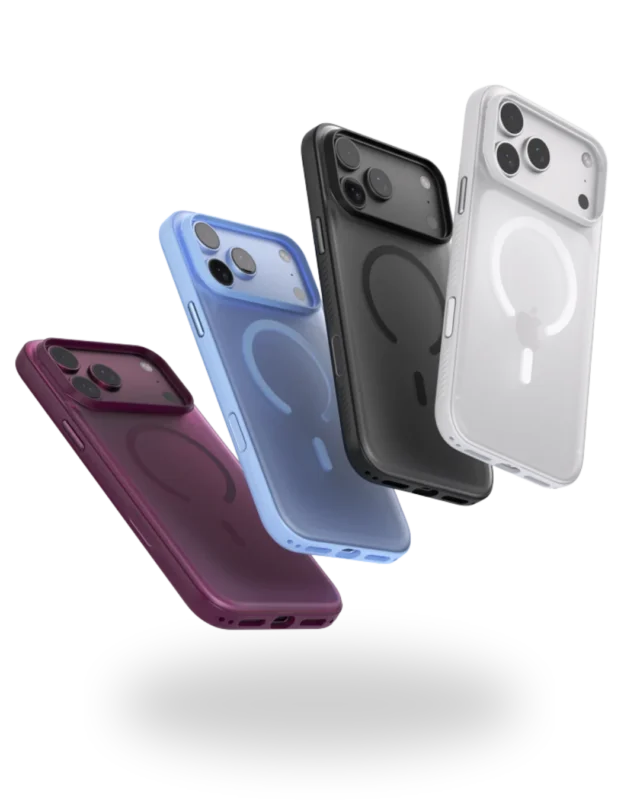
- Magnetic clear cases
- Slim everyday cases
- Shockproof cases
- Cases with stands
- Cases with rotating rings
- Fashion-oriented designs
- Premium material options
The goal is not to maximize the number of SKUs. The goal is to give customers distinct reasons to choose one product over another.
In the U.S., the $300 to $600 smartphone segment grew 27% year over year in Q4 2025, while the segment below $300 declined 7% (Counterpoint Research, 2026). Different device price bands can support different accessory price points, another reason Buenas marcas de fundas para el móvil should offer more than a single price and design position.
6. Do the wholesale economics make sense?
A great consumer product can still be a poor wholesale product. B2B buyers must calculate what happens after freight, duties, taxes, promotions, replacements and slow-moving inventory are included.
Global smartphone shipments grew only 2% during 2025, even as premium demand increased (Counterpoint Research, 2026). In that environment, retailers should not assume that every new case design deserves a large opening order.
When comparing Buenas marcas de fundas para el móvil, evaluate:
- Unit purchase price
- Minimum order quantity
- Recommended retail positioning
- Shipping cost
- Import duties and local taxes
- Calidad del embalaje
- Defect and replacement policy
- Expected inventory turnover
- Ability to reorder small quantities
Margin should be evaluated alongside velocity. A case with a high percentage margin that remains on the shelf for months can be less attractive than a product with a slightly lower margin that sells and replenishes consistently.
Latin America was the only major region to record year-over-year smartphone shipment growth in Q1 2026, expanding 3% according to Counterpoint Research (Counterpoint Research, 2026). For importers operating across multiple countries, local demand patterns can therefore be very different from the global market.
Buenas marcas de fundas para el móvil should give purchasing managers enough flexibility to adapt inventory depth to those regional differences.
7. Can the supplier replenish products reliably?
A phone case has a limited commercial window. Demand usually concentrates around popular devices, launches, promotions and replacement cycles, which makes availability as important as the case itself.
Apple reached 25% of global smartphone shipments in Q4 2025, its highest quarterly share in Counterpoint’s dataset, supported by strong iPhone 17 demand (Counterpoint Research, 2026). If a retailer cannot replenish popular cases during that type of demand cycle, the sales opportunity can disappear before inventory returns.
When evaluating Buenas marcas de fundas para el móvil, ask potential suppliers:
- How quickly do you develop products for major smartphone launches?
- Which models are maintained in regular inventory?
- What are the normal production and replenishment times?
- Can best-selling colors be reordered separately?
- What happens when a product has a manufacturing defect?
- How often is the product catalog updated?
- Can you support distributors operating in several countries?
Supplier reliability is difficult to judge from a single sample. Start with a controlled order, monitor communication and fulfillment, and increase volume when performance is consistent.
“The smartphone market continued its gradual shift toward higher price tiers, driven by consumers upgrading to premium devices.”
Shilpi Jain, Senior Analyst at Counterpoint Research, 2026
That shift toward higher-value devices is directly relevant to Buenas marcas de fundas para el móvil. Customers spending more on hardware can become more selective about protection, appearance, magnetic compatibility and the overall experience of the accessories they purchase.
How should retailers compare Good Phone Case Brands before ordering?
A simple comparison scorecard can stop purchasing decisions from becoming subjective. Instead of choosing cases because one sample looks attractive, compare every supplier using the same criteria.
| Buying question | Weak supplier | Stronger supplier |
|---|---|---|
| Device compatibility | Generic model description | Exact supported models and tested fit |
| Protección | Vague claims | Specific construction or testing information |
| Materiales | Unclear specification | Defined TPU, PC, silicone or hybrid construction |
| Magnetic system | Magnetic label only | Verified charging and accessory compatibility |
| Assortment | Similar designs only | Clear product positions for different customers |
| Commercial terms | Price only | Clear MOQ, warranty and replenishment terms |
| Supply | Unpredictable availability | Consistent inventory and launch planning |
Apple held 69% of U.S. smartphone sales in Q4 2025, its highest share recorded in that market, while Samsung held 13% (Counterpoint Research, 2026). The correct assortment can therefore vary dramatically by country, channel and customer profile.
The lesson is that Buenas marcas de fundas para el móvil should be evaluated against the devices your customers actually buy. A brand with an excellent product but weak support for your dominant smartphone models is unlikely to be the right commercial partner.
How important is the accessory ecosystem around Good Phone Case Brands?
Cases can become the entry point to a larger protection and charging sale. A retailer that thinks only about the case may leave revenue on the table.
The Wireless Power Consortium says Qi2 25W can charge a compatible smartphone from 0% to 50% in about 30 minutes under specified conditions (Wireless Power Consortium, 2026). As wireless charging becomes faster and magnetic accessories become more common, the relationship between a phone case and other products becomes more important.
For example, a customer buying a magnetic case can also be offered:
- Magnetic wireless charger
- Magnetic power bank
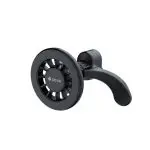
- Vehicle mount
- Desktop stand
- Magnetic wallet
- Screen protector
- Camera lens protector
Buenas marcas de fundas para el móvil that belong to a broader accessory ecosystem can simplify this process because compatibility and product positioning are easier for retail staff to explain.
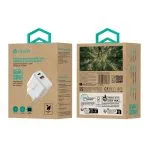
Devia Global’s current product catalog, for example, includes cases alongside tempered glass, chargers, power banks, cables, audio products and vehicle mounts (Devia Global, 2026). Its current Star Series 3-in-1 protection pack combines a magnetic shockproof case, full-screen tempered glass and camera lens protection for iPhone 17 models (Devia Global, 2026).
This type of product architecture allows a retailer to think in bundles instead of individual SKUs. For stores preparing for the next Apple cycle, our guide to phone case brands for the upcoming iPhone 18 generation explains how to prepare without treating unconfirmed device specifications as final.
How does Devia Global approach the Good Phone Case Brands category?
Devia Global states that its product philosophy is centered on offering high-quality mobile accessories. For B2B buyers, that positioning becomes meaningful when it is translated into products that address different customer needs rather than offering only one type of case.
The current Devia Global catalog includes Pure Clear magnetic shockproof cases, Pino shockproof models, Glimmer magnetic cases, Eleguard magnetic shockproof cases with a 360-degree rotating stand and other case formats (Devia Global, 2026). This creates several merchandising positions inside the same product category.
One current Devia iPhone 16 Delight Series model combines TPU, PC, a magnetic stand and silicone and is listed as having 2-meter drop-test certification (Devia Global, 2026). This is the type of product-specific information purchasing managers should expect when evaluating Buenas marcas de fundas para el móvil.
Devia also structures some current iPhone 17 products as complete protection packs. The Star Series 3-in-1 pack includes a Pure Clear Series Magnetic Shockproof Case, Van Series Full Screen HD Tempered Glass and Peak Series AR Crystal Lens Protector (Devia Global, 2026).
For distributors and retailers, this broader approach can support upselling and category planning. Instead of asking only, “Which case should I buy?”, the commercial question becomes, “Which protection solution should I offer this customer?”
What mistakes should retailers avoid when choosing Good Phone Case Brands?
The most common mistake is ordering from appearance alone. Product photography can make almost any case look premium, but it cannot show button feel, magnet strength, fit consistency or long-term material behavior.
The premium smartphone market grew 8% year over year in 2024, compared with 5% growth for the overall smartphone market (Counterpoint Research, 2025). Higher-value devices can create opportunities for higher-value accessories, but only if the product experience justifies the positioning.
Avoid these purchasing mistakes:
- Buying too many colors initially: test demand before expanding depth.
- Ignoring exact device models: similar-looking phones can have different dimensions.
- Trusting vague protection claims: request specific product information.
- Assuming all magnetic cases are equal: test charging and accessory attachment.
- Focusing only on unit price: calculate landed cost and inventory turnover.
- Skipping physical samples: photos cannot replace real fit testing.
- Ignoring replenishment: an unavailable bestseller cannot generate revenue.
Buenas marcas de fundas para el móvil make it easier for buyers to verify these details before volume orders are placed.
What is the practical buying process for Good Phone Case Brands?
A disciplined buying process can be completed in seven steps. This is especially useful for importers or purchasing managers evaluating several smartphone case suppliers simultaneously.
- Map your device demand. Identify the smartphone brands and models responsible for most accessory sales.
- Define customer needs. Separate clear, slim, rugged, magnetic, stand and design-driven buyers.
- Request samples. Do not approve bulk purchasing from images alone.
- Test fit and function. Check buttons, cameras, charging and magnets on real phones.
- Calculate landed economics. Include shipping, duties, taxes and expected replacements.
- Place a controlled opening order. Avoid excessive inventory before real sales data exists.
- Replenish based on sell-through. Increase quantities only for products customers actually choose.
Global smartphone shipments declined 3% year over year in Q1 2026 after the market had grown during 2025 (Counterpoint Research, 2026). That volatility makes inventory discipline particularly important for accessory buyers.
The objective is not to predict every winning case. The objective is to build a system that quickly identifies which Buenas marcas de fundas para el móvil, models and features perform best in your market.
For additional market context, you can review Counterpoint Research’s global smartphone market analysis.
FAQ about Good Phone Case Brands
What makes a phone case brand good for retailers?
A good phone case brand for retailers combines consistent product quality, accurate device compatibility, useful protection, attractive design, reliable magnetic and charging compatibility, competitive wholesale economics and dependable supply. Retailers should also consider packaging, warranty support, replacement policies and how quickly a supplier introduces products for new smartphone models. The strongest choice is not necessarily the cheapest case or the most famous consumer brand. It is the supplier that consistently helps your store satisfy customers while controlling inventory risk and protecting your margin.
Which materials should retailers look for in phone cases?
Common phone case materials include TPU, polycarbonate, silicone and hybrid combinations. TPU provides flexibility and grip, while polycarbonate adds structural rigidity. Silicone can create a softer feel, and hybrid designs combine materials to balance impact protection, appearance and thickness. Retailers should not select a case from material names alone. Construction, corner design, raised edges, camera protection, magnet integration and manufacturing consistency also affect the finished product. Samples should be tested on real devices before a large wholesale order.
Is MagSafe or Qi2 compatibility important when choosing phone cases?
Yes. Magnetic accessory compatibility has become increasingly relevant because customers use wireless chargers, power banks, wallets, stands and vehicle mounts. The Wireless Power Consortium states that Qi2 uses magnetic alignment and that Qi2 25W provides nearly 70% more charging power than the original Qi2 specification. Retailers should verify magnet position, magnetic strength and charging compatibility rather than assuming every magnetic case performs equally. A well-designed magnetic case can also create additional opportunities to sell compatible accessories.
How many phone case styles should a retailer stock?
There is no universal number because assortment should reflect local demand, device mix and store size. A practical starting point is to cover several distinct customer needs: a clear case, a slim everyday case, a protective shockproof case, a magnetic case, a stand or ring case and one design-focused option for high-volume phone models. Track sales by model, color and feature after launch. Expand proven sellers instead of purchasing large quantities of every available variation.
Should retailers choose branded cases or generic cases?
Both can have a place in a retail assortment, but the decision should be based on measurable product and supplier performance. Branded cases can provide stronger perceived value, clearer packaging, established product specifications and better opportunities for customer trust. Generic products may compete aggressively on price but can vary more between suppliers. Retailers should compare fit, protection, materials, magnetic performance, defect rates, packaging, warranty terms and replenishment reliability before deciding which products deserve shelf space.
How should importers evaluate a phone case supplier?
Importers should evaluate more than the sample price. Ask about available models, minimum order quantities, material specifications, testing documentation, packaging, production capacity, delivery schedules, warranty terms and replacement procedures. Request physical samples and test fit, buttons, camera openings, magnets, wireless charging and surface durability. You should also assess how quickly the supplier responds to new smartphone launches. A supplier that can provide a broader accessory ecosystem may simplify purchasing and create additional opportunities for bundles.
Lee también
- Las mejores marcas de fundas para el nuevo iPhone 18
- Por qué es importante elegir la funda adecuada para tu móvil
Find the right phone case portfolio with Devia Global
Buenas marcas de fundas para el móvil are not defined by one feature. For B2B buyers, the strongest products combine fit, protection, materials, magnetic functionality, assortment, viable wholesale economics and reliable supply.
Devia Global develops mobile accessory solutions for retailers, distributors, wholesalers and importers looking to build a broader product portfolio. Explore the Devia Global mobile accessories and phone protection portfolio to discover cases, screen protection, chargers, power banks, cables, audio products, vehicle mounts and other solutions for your market.
“`
Acerca de Alexandre di Mello
Ver todas las publicaciones de Alexandre di MelloPublicaciones relacionadas
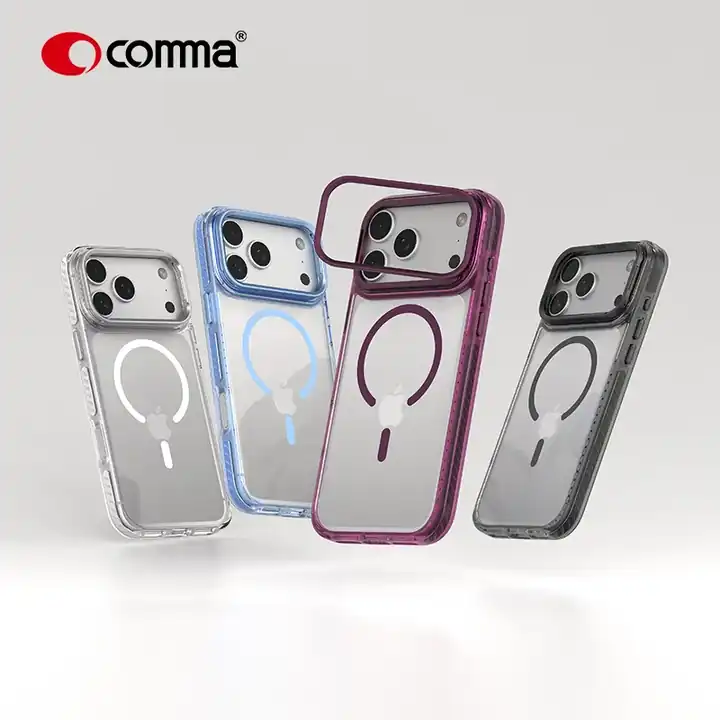
No More Naked iPhones: Hands-On Review of the comma Case, Screen Protector & Charger Trio
Variable Aperture Camera Accessories: comma’s Lens Protection Solution for the New iPhone
A20 Pro Performance Protection: Decoding comma’s Cooling and Protection Design Logic

Filtro de privacidad para monitor
Buenas marcas de fundas para el móvil

Filtro de privacidad para monitor de ordenador
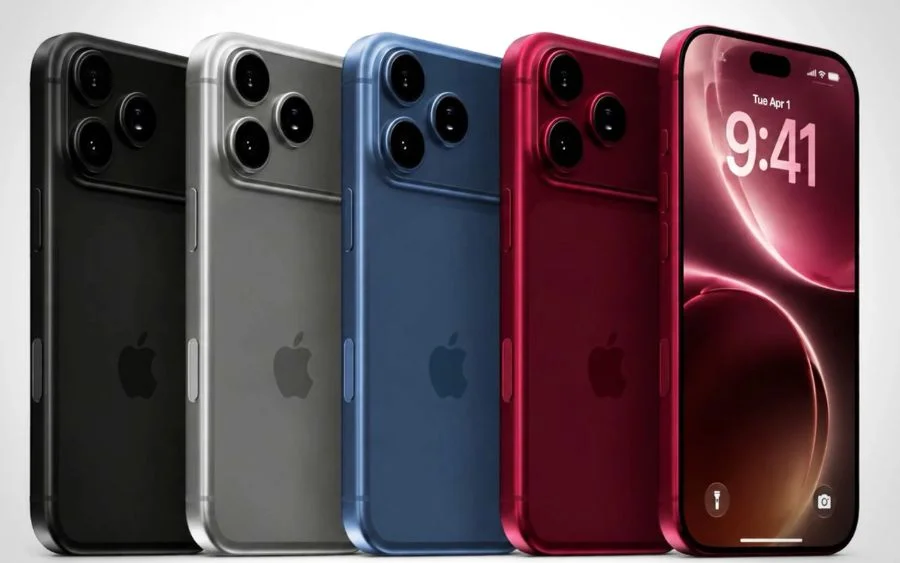
Las mejores marcas de fundas para el nuevo iPhone 18
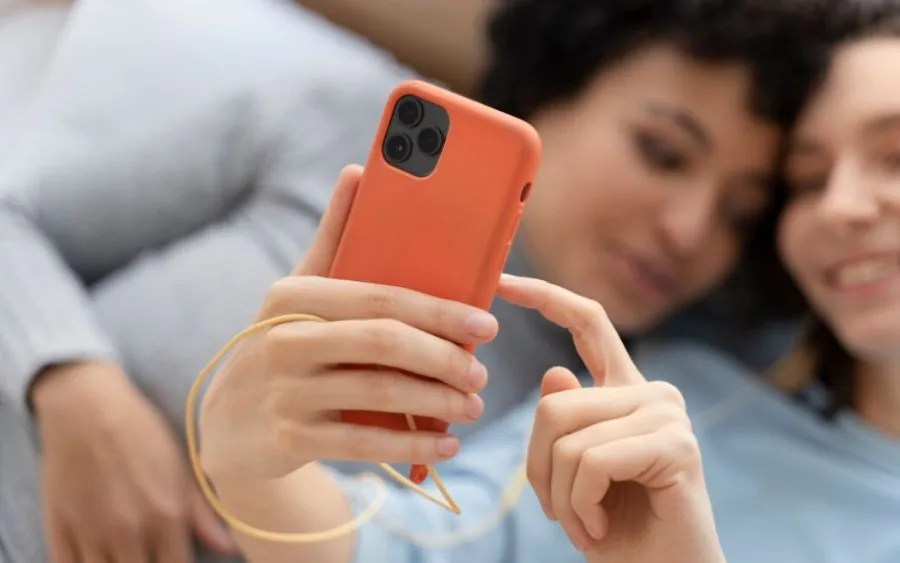
Por qué es importante elegir la funda adecuada para este móvil
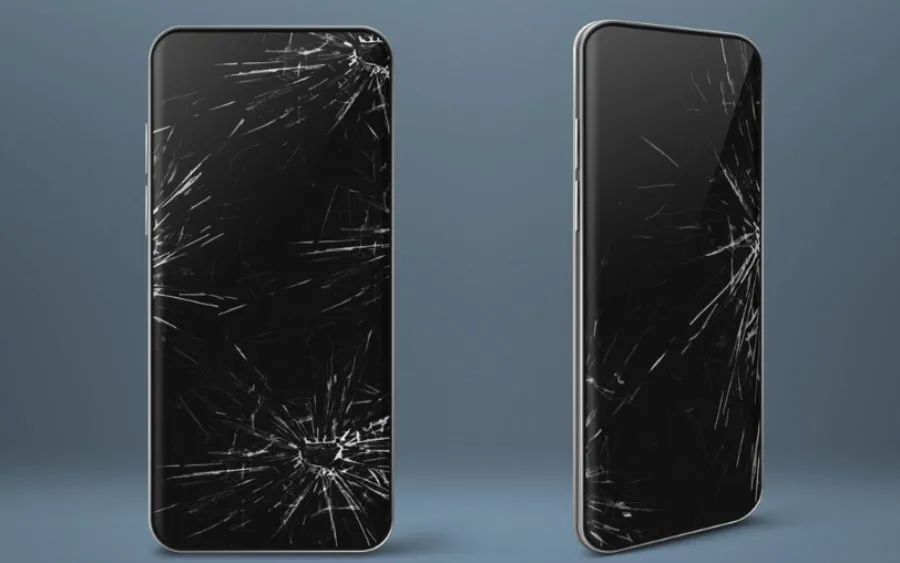
Pantalla rota con protector de pantalla
Fiel a su compromiso con la calidad y al cumplimiento de su misión, Comma fomenta la economía real a través de la artesanía.
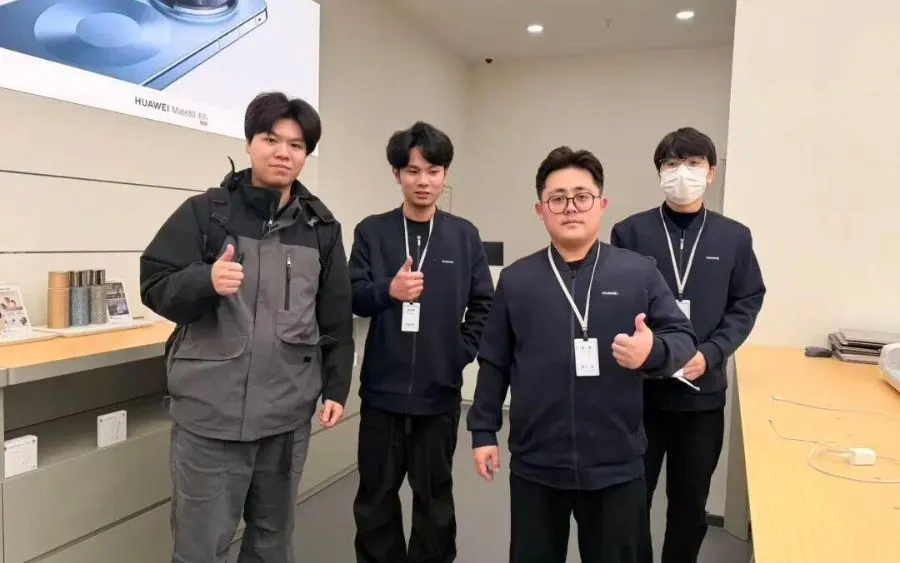
Un nuevo rumbo en 2026 | DEVIA establece una estrecha alianza estratégica con Huawei para crear conjuntamente una solución de alta calidad
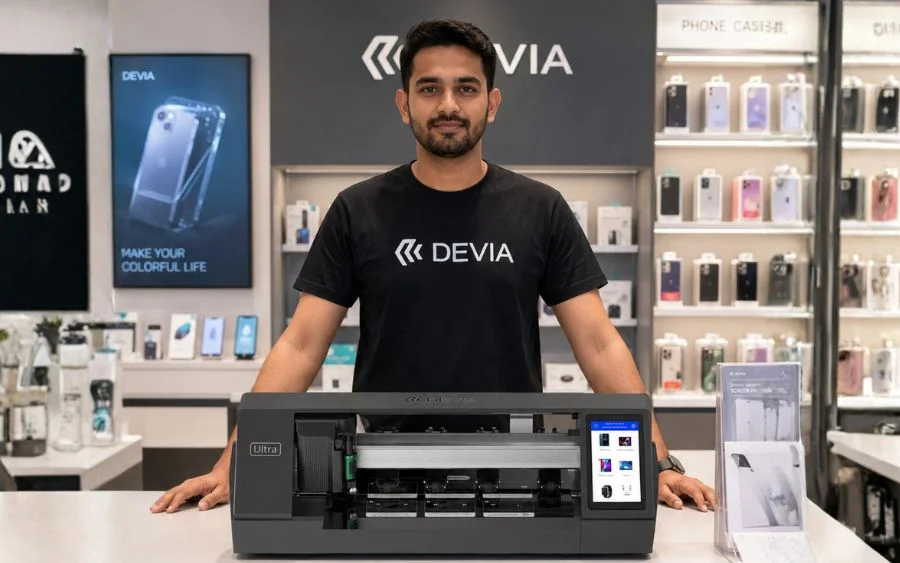
Las 5 razones principales por las que los distribuidores están optando por el corte automatizado de películas.


CATEGORÍAS