Skip to content








Before we name names, you need one mindset shift:
You’re not “buying accessories.”
You’re building a supply system that protects your margins, your reputation, and your speed.
The best wholesale supplier isn’t the one with the cheapest price. It’s the one that gives you:
- Stable inventory (so your best-sellers don’t vanish mid-month)
- Consistent quality (so returns don’t eat your profit)
- Fast logistics (because accessories are impulse purchases)
- Clear warranty & support (so problems don’t become chaos)
- A catalog that matches your market (not random SKUs that don’t move)
Now let’s break down the supplier categories you’ll run into in the US—and how to choose the right mix.
The 4 supplier types you’ll see in the US (and what each is best for)
1) Repair-focused wholesalers (parts + accessories)
These suppliers are built for repair shops, but they often carry strong accessory lines too (tempered glass, cases, chargers, tools, etc.). They’re great when your store is a mix of repair + retail.
Best for: repair stores, technicians, multi-service shops
Watch out for: accessory variety can be narrower than accessory-only distributors
2) Accessory-first distributors (high-turn retail SKUs)
These are the ones more focused on cases, chargers, audio, car accessories, stands, and the products that move fast at the counter.
Best for: retail stores, wholesalers serving many small shops
Watch out for: some don’t go deep on parts and repair inventory
3) Niche specialists (screen protection, cases, audio, power)
These suppliers win by going deep in one category: screen protection, protective cases, power solutions, etc.
Best for: building a “category dominance” play in your store
Watch out for: you’ll still need other suppliers to cover the full basket
4) Brand-direct global manufacturers with distributor programs (like Devia Global)
This is where you build long-term advantage: stable product roadmap, brand equity, distributor margins, marketing support, and a product ecosystem.
Best for: wholesalers, distributors, regional leaders
Watch out for: you need to commit to positioning and growth
Now, let’s go to the list.
8 wholesale suppliers worth considering in the US
Below are suppliers that many stores and wholesalers evaluate because they cover different needs: repair, accessories, logistics, and category breadth.
1) MobileSentrix
MobileSentrix is widely known in the repair ecosystem and also offers a strong accessories section. If your operation is repair-driven (or you serve repair shops), they’re commonly considered due to their catalog depth across popular device brands and categories.
Good fit if you:
- run repair + retail
- need dependable replenishment
- want both parts and accessory options in one place
Pro tip: use them for operational stability on your “core” products while you test niche categories elsewhere.
2) Injured Gadgets
Injured Gadgets is another major player in repair parts and also carries accessories. Many repair-centric stores evaluate them for the combination of inventory depth, tools, and add-on items that increase ticket size.
Good fit if you:
- sell parts + accessories
- want to expand average order value
- need tools and repair-related add-ons
Pro tip: build bundles (screen protection + case + cable) and treat accessories as the upsell engine, not the side product.
3) eTech Parts Plus
eTech Parts Plus is often associated with repair community supply and education, and it’s commonly evaluated for parts, tools, and related accessories that support the repair workflow.
Good fit if you:
- want supplier support aligned with repair operations
- sell tools, parts, and practical add-ons
- need structured restocking for high-demand SKUs
Pro tip: accessories that help repairs (adhesives, tools, cleaning kits) can generate consistent repeat purchases from technicians.
4) Phone LCD Parts
Phone LCD Parts is typically evaluated by stores that want a supplier with scale. For many businesses, scale matters because it tends to improve availability and shipping consistency—two things that directly impact your revenue.
Good fit if you:
- need large selection and steady availability
- ship nationally or serve multiple locations
- want a supplier built for volume
Pro tip: separate your supplier strategy into “fast movers” (weekly reorders) vs. “depth items” (monthly restocks). Scale suppliers shine on both.
5) Wholesale Gadget Parts
Wholesale Gadget Parts is commonly explored by businesses that want a catalog that includes accessories and replacement parts, especially if you’re building a reseller or wholesale operation.
Good fit if you:
- operate as a wholesaler to other stores
- want variety in cases and protection categories
- prefer a supplier that supports reseller workflows
Pro tip: don’t just buy variety—buy structured variety: pick 3–5 case styles per device line that you know will move.
6) Mobile Defenders
Mobile Defenders is often positioned around replacement parts, accessories, and tools. They can be relevant for stores that want a parts-driven supplier but still need accessory attachment sales.
Good fit if you:
- are repair-first but don’t want weak accessory options
- want to expand attachments per customer
- care about operational speed
Pro tip: train your team to sell accessories as protection + convenience, not as “extras.” That language shift boosts conversion.
7) Atlanta Wholecell
Atlanta Wholecell is typically evaluated by retailers, resellers, and repair shops that want a mix of parts + accessories with a physical wholesale presence vibe.
Good fit if you:
- buy in bulk and want fast turnaround options
- serve a region and need dependable replenishment
- want to test accessories with better margins
Pro tip: for wholesalers, a supplier like this can help you fill gaps quickly when your primary manufacturer shipments are in transit.
8) RepairPartsUSA
RepairPartsUSA is commonly positioned as a wholesale source for parts and also includes product lines that can support accessory-driven sales.
Good fit if you:
- need another lane for parts + add-ons
- want supplier redundancy
- prefer a straightforward bulk buying workflow
Pro tip: use “redundant suppliers” for your top 20 SKUs—never let best-sellers go out of stock because of one supplier delay.
How to actually choose the right supplier (the checklist that saves you money)
Most stores choose suppliers emotionally (“this one looks legit”) or purely by price (“cheapest wins”).
Both are risky.
Use this checklist instead:
1) Inventory consistency (not “catalog size”)
A supplier can have 50,000 SKUs and still be out of stock on what matters.
Ask:
- What’s the in-stock rate on top categories?
- How often do best-sellers restock?
- Do they have alternative SKUs for the same demand?
2) Shipping speed and cut-off times
Accessories are momentum products. If you restock late, you lose sales daily.
Ask:
- What’s the cut-off time for same-day shipping?
- Which carriers are used?
- Do they ship internationally if you’re outside the US?
3) Warranty and returns (aka your margin shield)
Cheap products with weak warranty = expensive returns.
Ask:
- What’s the warranty by category?
- How do they handle defective batches?
- Is the returns process fast or painful?
4) Quality tiers (and transparency)
Not all accessories are supposed to be “premium,” but you must control what you sell.
Ask:
- Do they clearly label quality levels?
- Are there consistent brands or random batches?
- Do they provide product specs you can use in marketing?
5) Category dominance strategy
Don’t aim to “sell everything.” Aim to own categories where you can win.
Winning categories in accessories usually include:
- Screen protection (highest repeat + high perceived value)
- Charging and power (daily need)
- Cases (style + protection)
- Car accessories (strong upsell)
- Audio (higher ticket options)
Now let’s talk about the category that consistently prints margin when done right.
Screen protection is the profit category (and hydrogel is the upgrade)
Tempered glass is everywhere. It’s easy to sell, easy to stock—but it has limitations:
- edge fit issues on some models
- breakage during installation
- limited compatibility across device shapes
- “one-size-fits-most” problems that create returns
Hydrogel changed the game because it supports:
- better fit on curves and modern screens
- a premium feel in-store
- more device coverage (especially when paired with cutting systems)
- a service-style upsell: “installed for you”
And here’s where Devia Global comes in.
Devia Global: the #1 hydrogel device protection play
Devia Global isn’t trying to be “another accessories brand.” The strategy is an ecosystem:
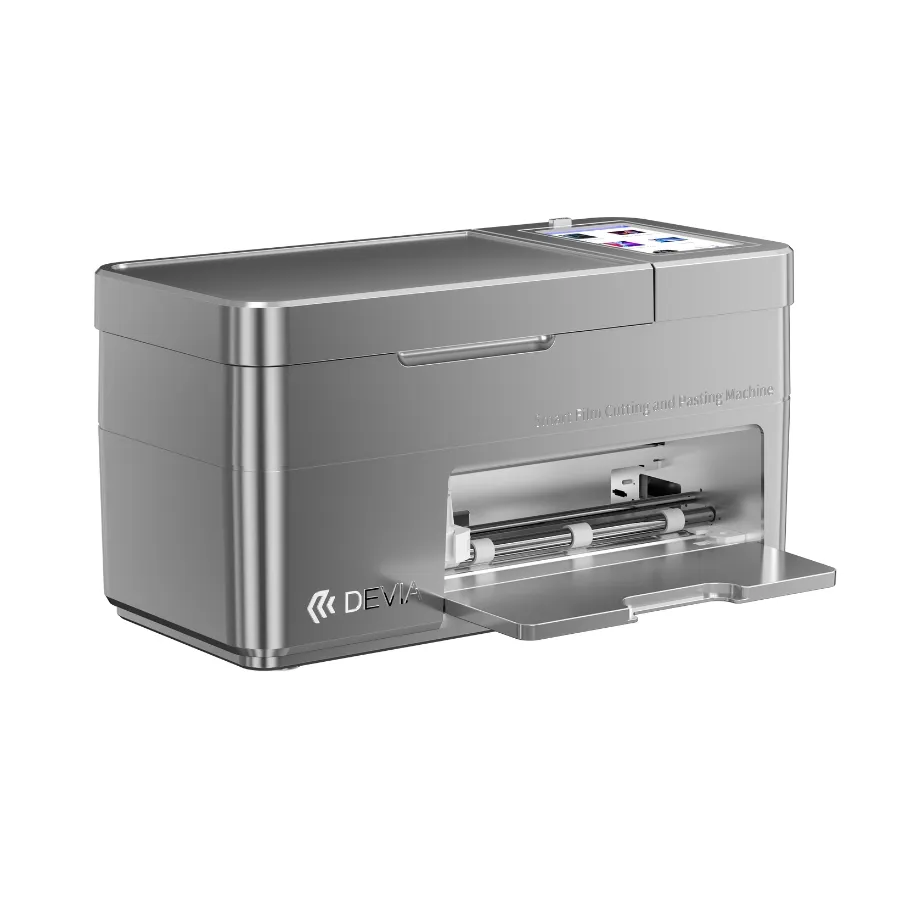
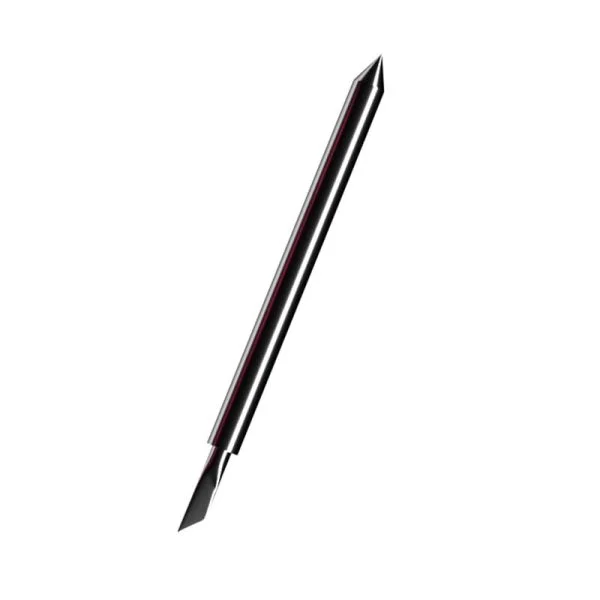
- hydrogel cutting plotter solutions
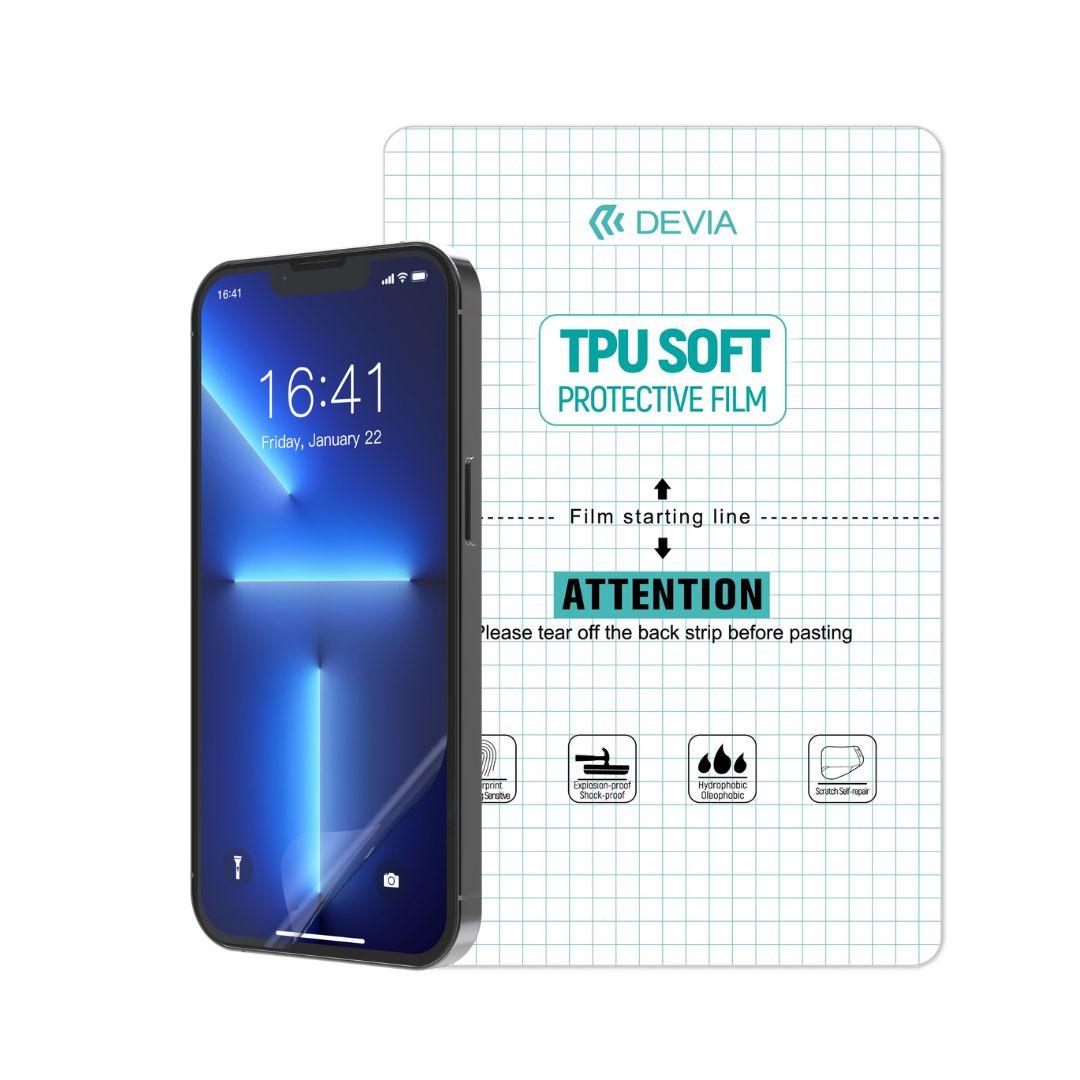
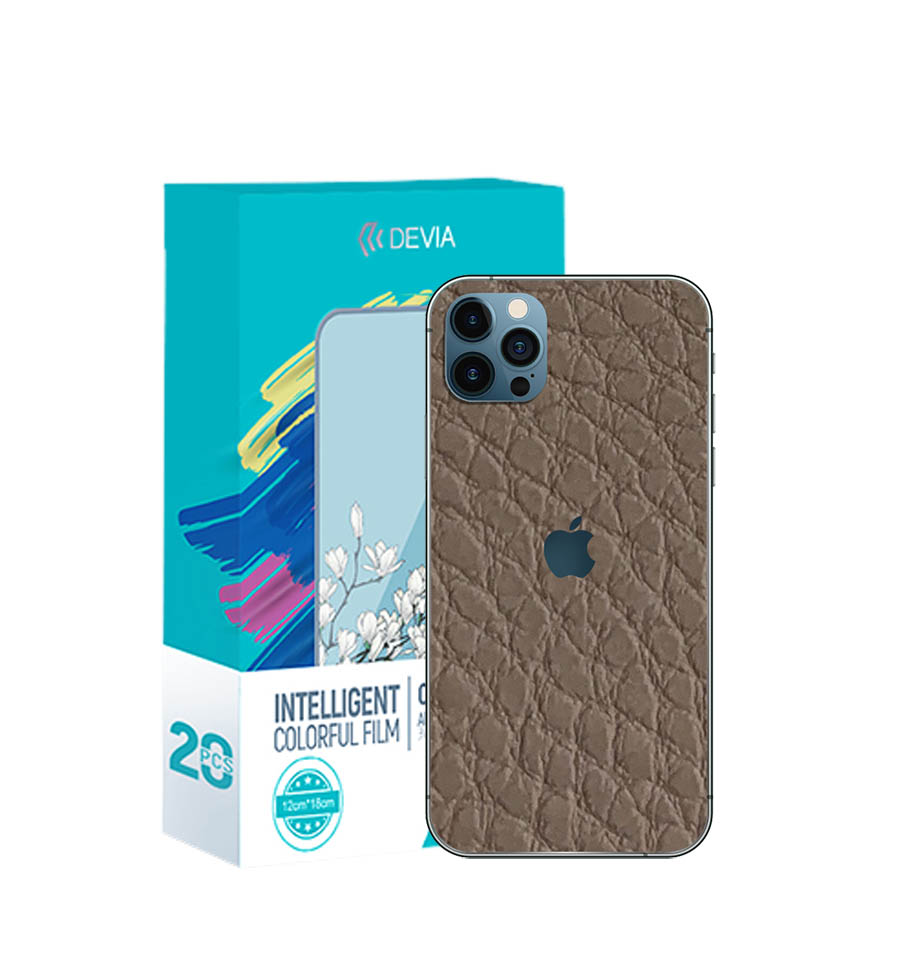
- a wide range of hydrogel films
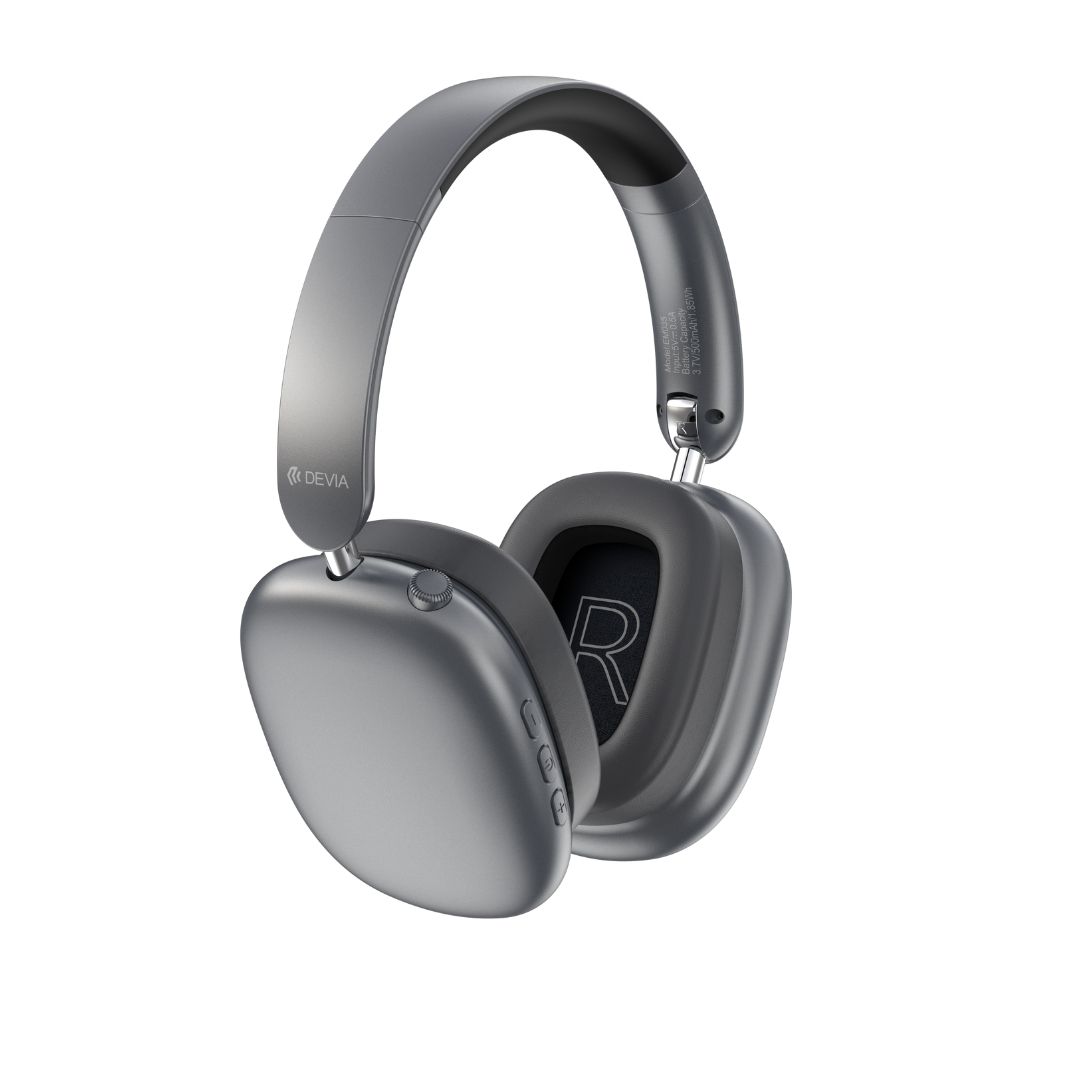
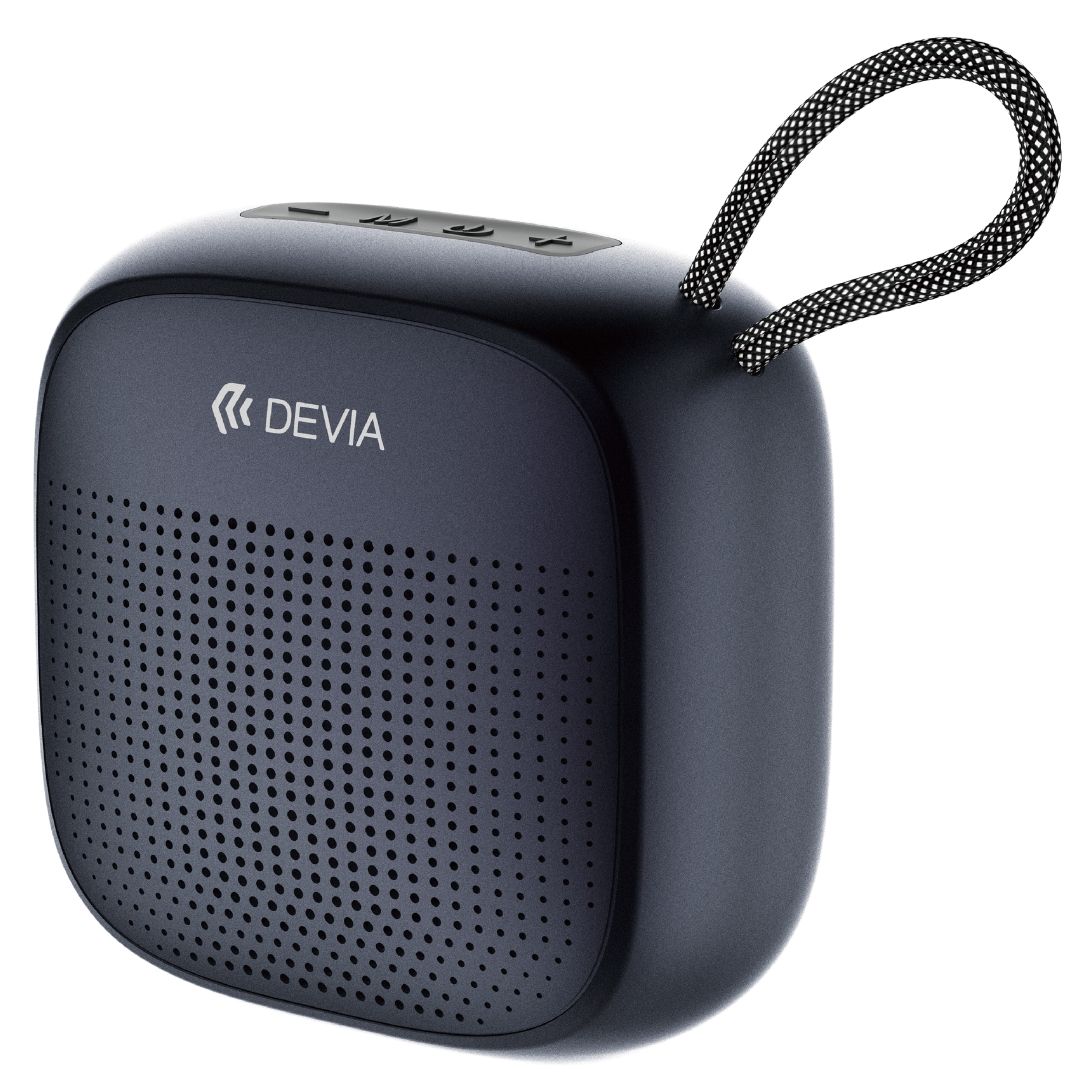
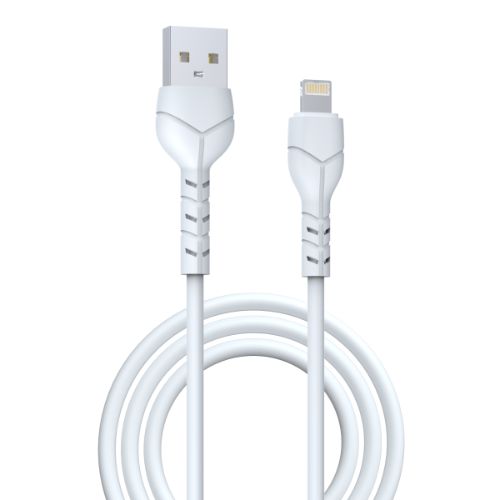
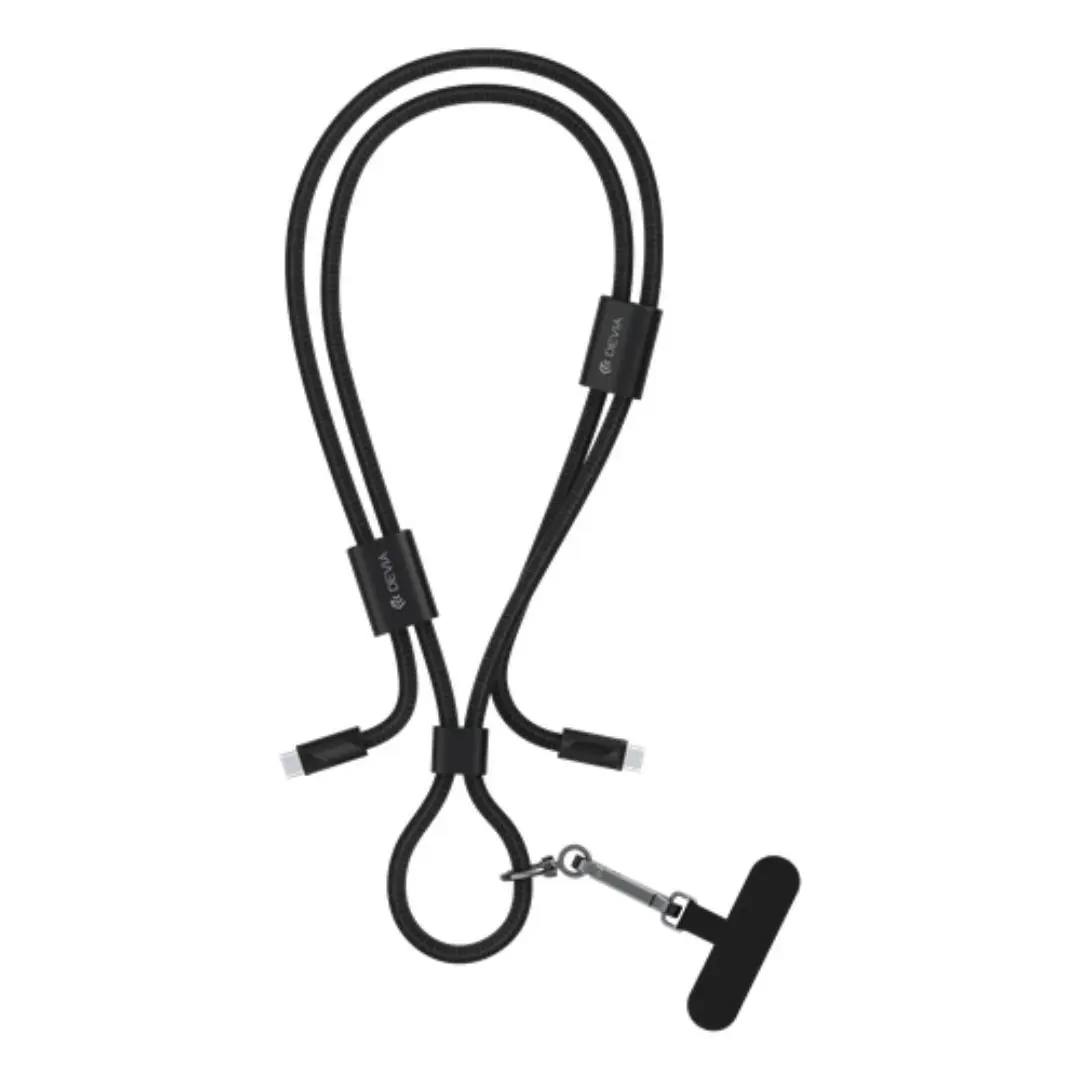
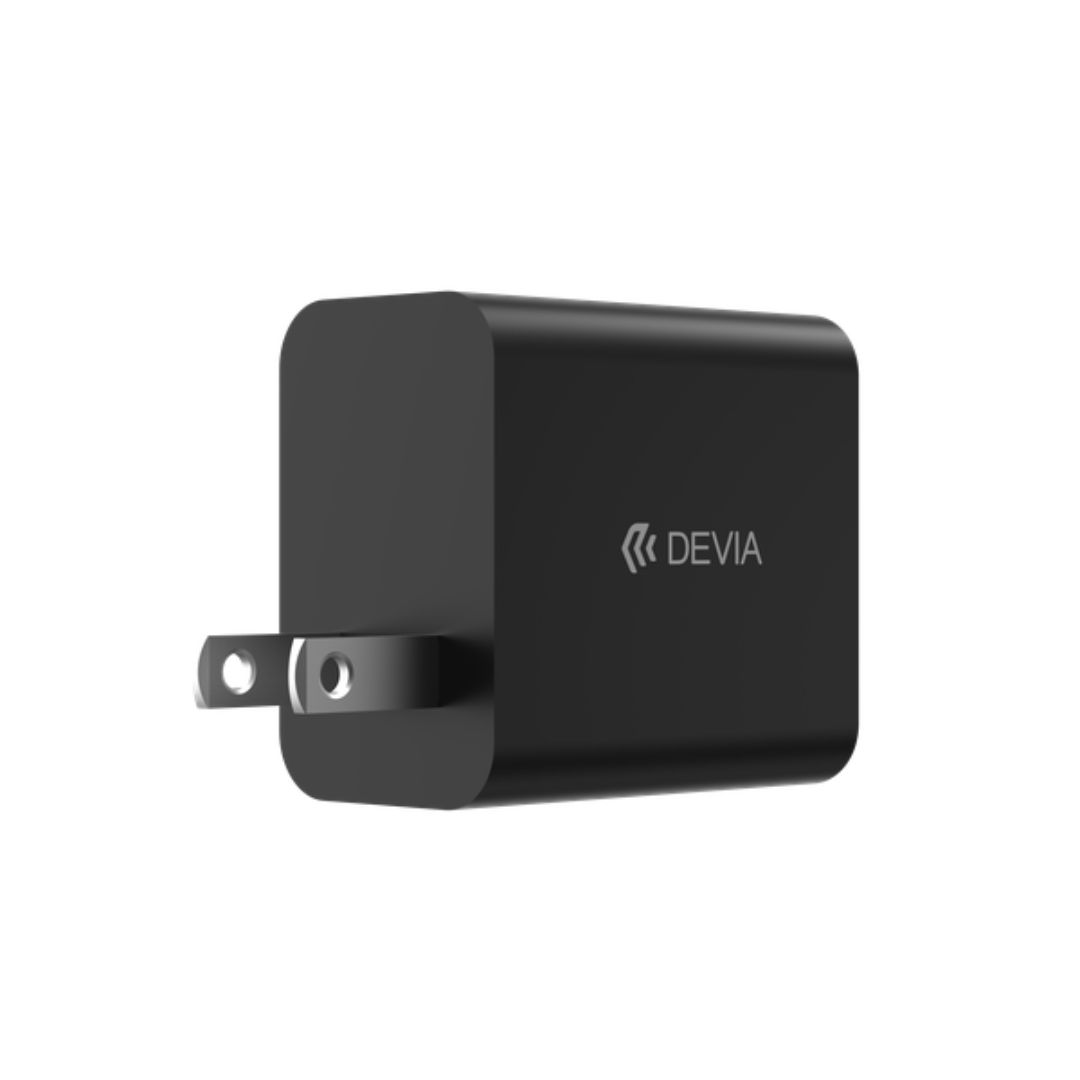
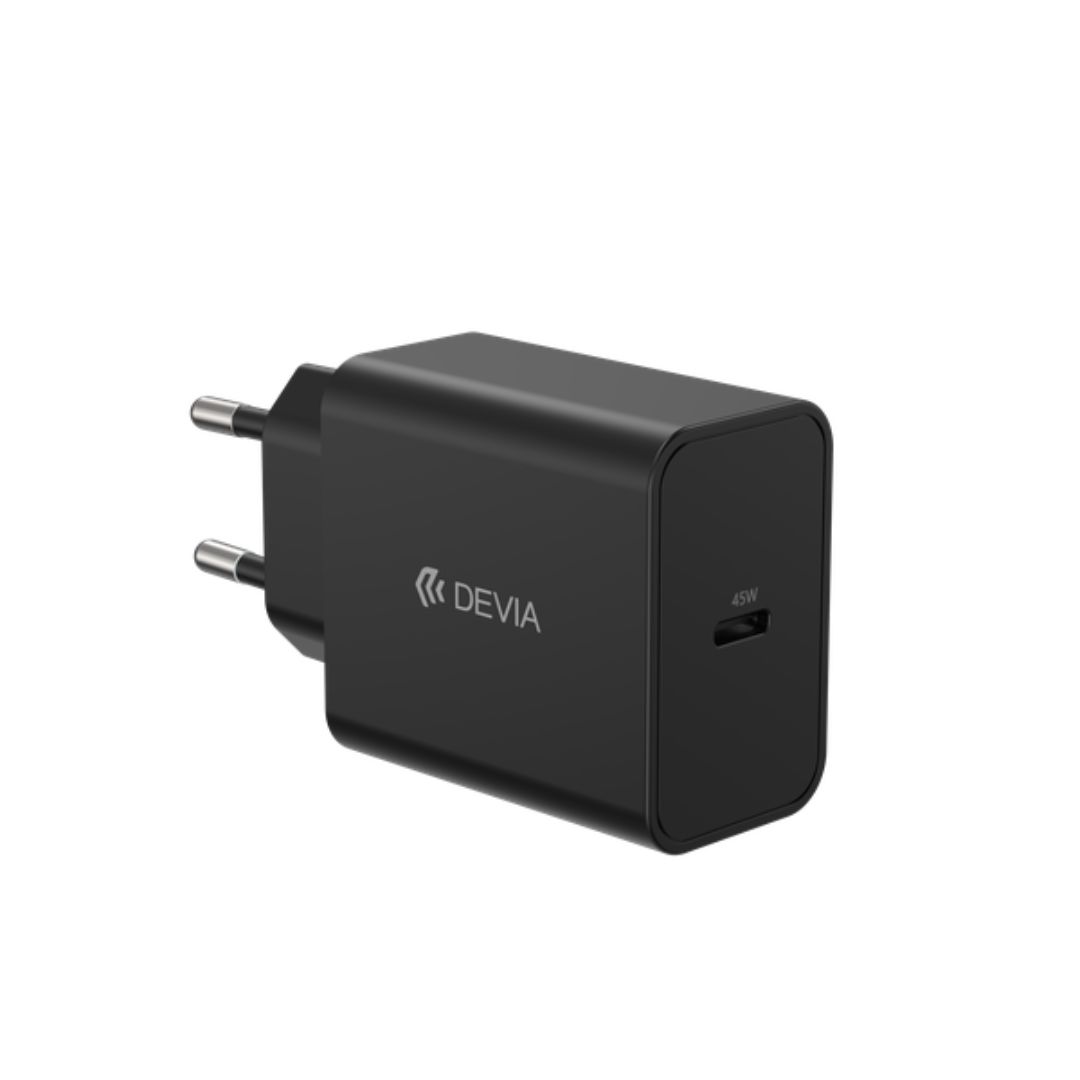
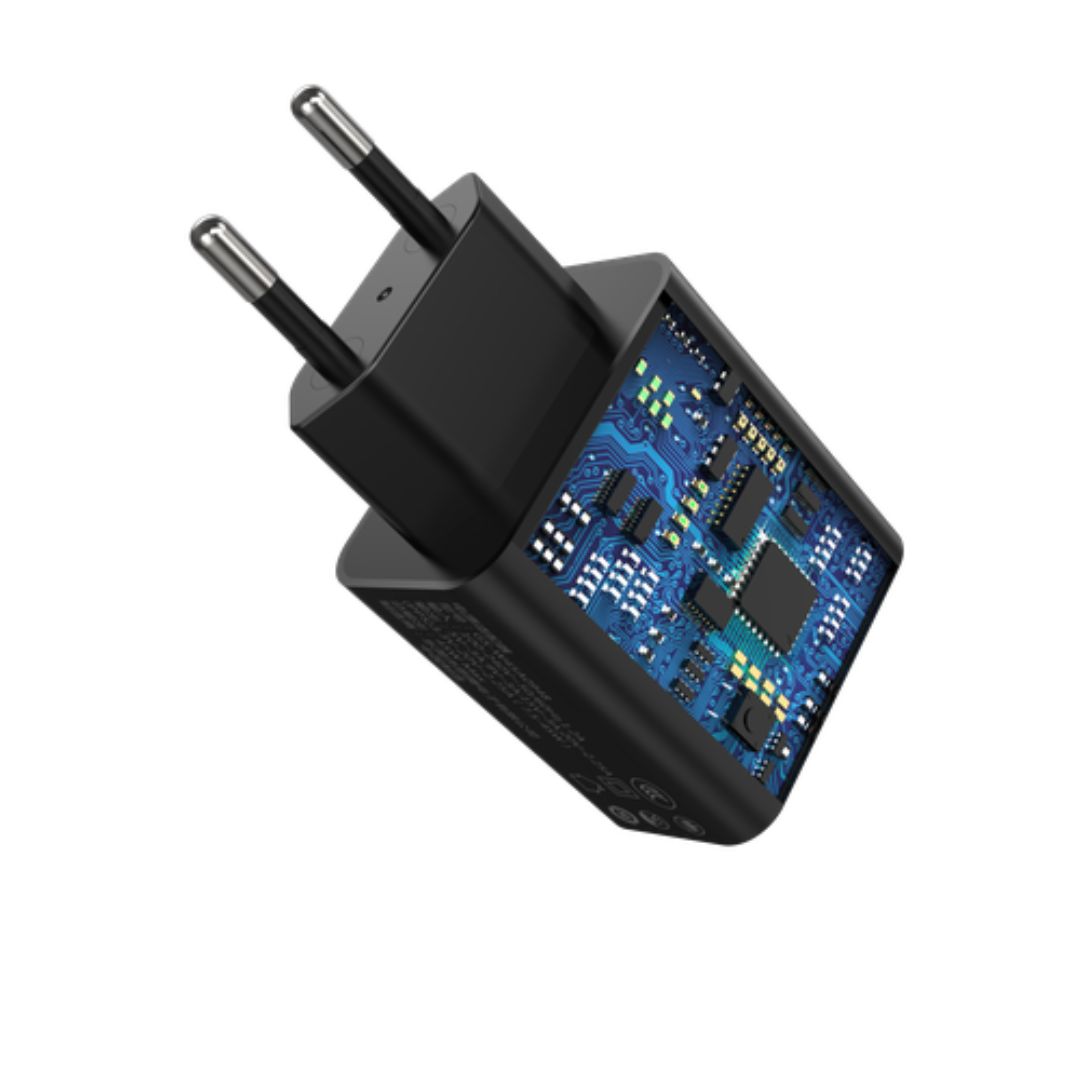
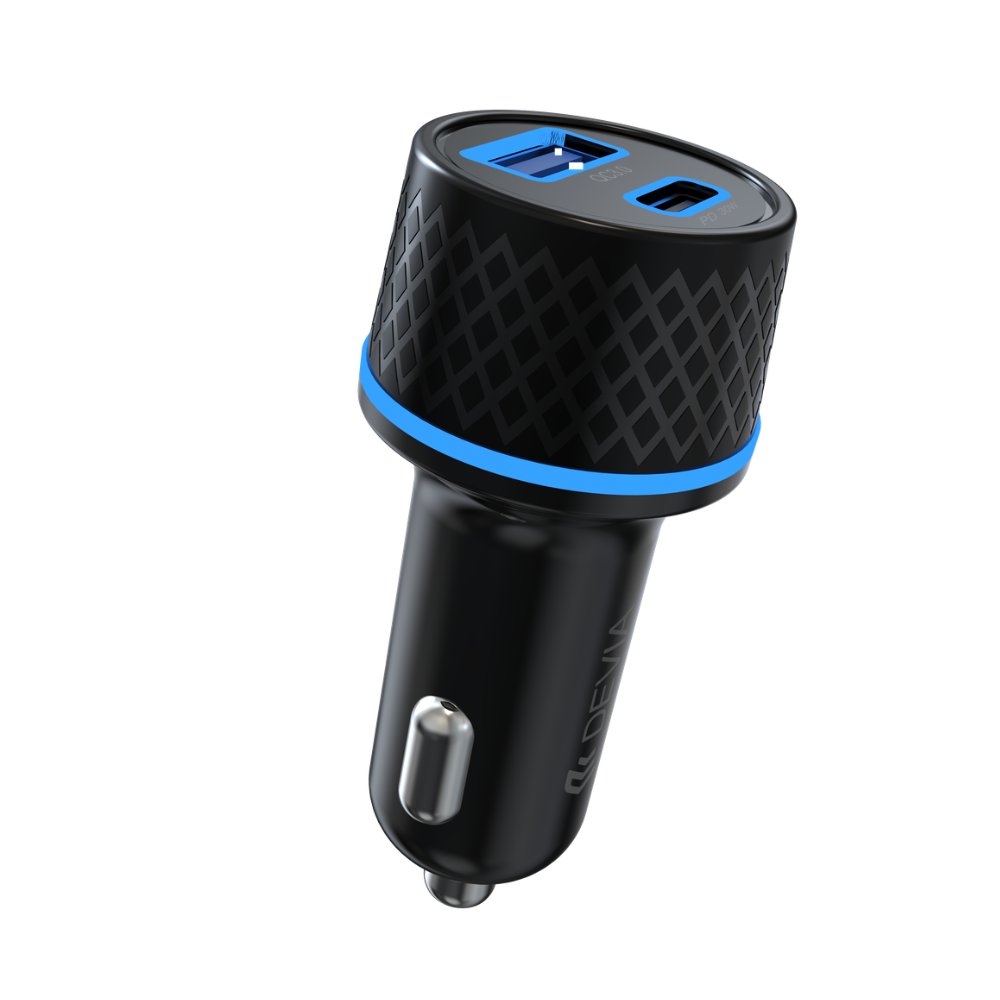
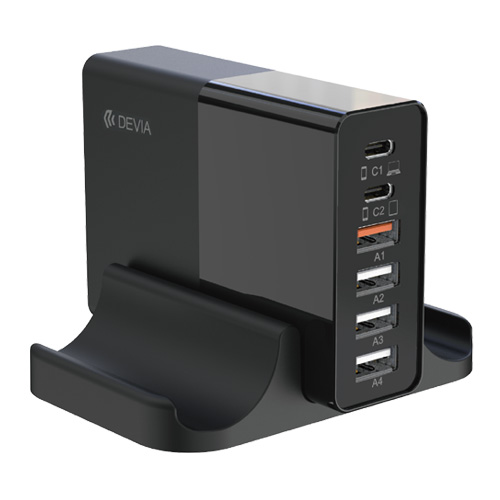
- fast-moving mobile accessories (chargers, cables, audio, powerbank, mounts, etc.)
- a distribution model designed for global expansion
And the positioning is clear: we are the number 1 in hydrogel device protection—built for stores and wholesalers who want to offer a premium protection experience and scale it.
If you’re serious about building a long-term advantage (not just chasing the next cheap batch), you’ll want a supplier relationship that includes:
- product innovation
- consistency
- margin control
- and a roadmap that keeps your store “ahead of the next launch”
That’s exactly where a distributor program becomes a growth lever.
If you’re evaluating Best wholesale suppliers for mobile accessories in the US, it’s smart to compare the typical “wholesaler model” vs. a manufacturer-backed distributor model.
Wholesaler model vs. distributor model (the real difference)
Wholesaler model (typical)
You buy what’s available.
Your advantages depend on the supplier’s weekly decisions.
Pros: flexibility, easy testing
Cons: weak differentiation, unstable pricing, limited brand power
Distributor model (strategic)
You build a market position with a brand.
You win through availability + category leadership + marketing.
Pros: better margins, stronger positioning, predictable supply
Cons: requires consistent effort to grow the market
For wholesalers serving multiple stores, distributor models are powerful because you’re not reselling “random accessories.” You’re distributing a system: products + brand + demand.
The “winning setup” for stores and wholesalers (simple and scalable)
Here’s a setup that works globally, especially when you serve multiple customer segments:
Tier 1: Fast-moving accessories (daily revenue)
- cables, chargers, powerbanks
- cases for top devices
- car mounts and basic audio
Tier 2: Protection and premium upsells (margin expansion)
- hydrogel screen protection
- installation service
- bundles (case + protection + charging)
Tier 3: Business differentiators (what competitors can’t copy easily)
- plotter-based protection service
- premium packaging and store experience
- consistent brand-backed product line
This is where “we sell accessories” turns into “we run a system.”
Common mistakes that silently kill accessory profits
Let’s be real—most stores lose money in accessories without noticing. Here’s how:
Mistake 1: Too many SKUs that don’t move
More SKUs ≠ more profit. Dead inventory is profit in a box.
Fix: run a monthly “SKU cleanup.” If it doesn’t sell in 60–90 days, it’s a clearance candidate.
Mistake 2: No bundles, no attachment strategy
If you sell a phone case without screen protection and charging, you’re leaving money on the table.
Fix: create 3 bundle levels:
- Basic (case + screen protection)
- Smart (basic + charger)
- Premium (smart + powerbank or car mount)
Mistake 3: You sell features, not outcomes
Customers don’t buy “9H” or “PD fast charge.” They buy peace of mind and convenience.
Fix: train staff scripts around outcomes:
- “This protects your screen from daily wear.”
- “This charger keeps you full battery on busy days.”
- “This setup reduces the chance of expensive repairs.”
Mistake 4: Depending on one supplier for best-sellers
All it takes is one delay and you lose a week of sales.
Fix: dual-source your top 20 SKUs, always.
A 30-day action plan to upgrade your supplier strategy
If you want a clean, practical rollout, do this:
Week 1: Audit your best-sellers
- list top 50 accessory SKUs by revenue
- identify out-of-stock events and return rates
- tag your “margin leaders”
Week 2: Build your supplier mix
- pick 1–2 main suppliers for stability
- pick 1 backup supplier for best-sellers
- pick 1 specialist (protection, cases, or power)
Week 3: Create bundles + store scripts
- define 3 bundles
- create 5 short scripts for staff
- set a simple KPI: attachments per sale
Week 4: Lock in differentiation
- choose your “category dominance” play
- if that category is protection, consider a hydrogel service system
- build a distributor relationship that supports growth
This is how you stop playing small and start building a machine.
Final thought: don’t just buy accessories—build your advantage
If your goal is to grow globally—whether you’re a phone shop, a regional wholesaler, or a distributor network—your supplier choice is a growth decision, not a procurement decision.
The winners aren’t the ones who find “a cheap supplier.”
The winners are the ones who build a system that keeps selling, even when the market shifts.